Garage Door Maintenance Alamo - Rapid, Effective Repair
Struggling with a non-operational garage door in Alamo? Contact us for quick repair and thorough maintenance to ensure smooth, reliable operation. Sign up now!
Stuck with a Garage Door That Won't Open?
Struggling to get your garage door to operate smoothly can disrupt your daily routine and compromise the security of your home. If your door is jammed, making excessive noise, or simply refusing to close, our trusted technicians in Alamo offer rapid and effective solutions to get your door back on track. Call us now to schedule a comprehensive maintenance inspection or request service.
What You Get With Professional Maintenance Services
When you schedule a service visit, the goal is to identify the root cause of the failure and restore functionality. A garage door is the largest moving object in your home, and its operation depends on a complex interplay of tension, balance, and electrical signals. Good Golly Garage Doors focuses on a systematic approach to maintenance that prioritizes mechanical integrity and safety.
In Alamo, where homes often feature custom or heavy-duty doors, standard DIY fixes often fail to address the underlying mechanical stress. Our maintenance service is not just a quick visual check; it is a full-system tune-up designed to reset the door to factory specifications.
Upon arrival, you can expect the following:
- Complete System Diagnosis: We test the counterbalance system to ensure the springs are lifting the door's weight, not the opener.
- Hardware Tightening: Vibration loosens nuts and bolts over time. We torque all hardware to manufacturer recommendations.
- Lubrication Application: We apply non-silicone, professional-grade lubricants to rollers, hinges, and springs to reduce friction and noise.
- Safety Sensor Alignment: We verify that photo-eye sensors are aligned and free of debris to prevent false reversals.
How Our Garage Door Maintenance Works
Our process is linear and thorough, ensuring no component is overlooked. We move from the hardware to the counterbalance system, and finally to the operator.
- First, Visual and Audible Inspection: We operate the door to listen for grinding, scraping, or squeaking sounds. These auditory cues often indicate worn rollers or frayed cables. We visually inspect the panels for cracks or warping, which is common in areas with fluctuating temperatures.
- Next, Balance and Tension Testing: We disconnect the opener to operate the door manually. A properly balanced door should stay halfway open without falling or shooting up. If the door feels heavy, the springs require tension adjustment. If it flies up, they are overwound. We adjust the torsion or extension springs to achieve perfect equilibrium.
- Then, Track and Roller Maintenance: We clean the tracks to remove built-up grease and debris. We inspect rollers for flat spots or bearing failure. In many cases, upgrading from plastic to nylon rollers during maintenance can significantly reduce operating noise.
- Finally, Opener and Safety Checks: We test the motor's force settings. The door must reverse if it encounters an object. We use a standardized block test to ensure the auto-reverse mechanism complies with safety regulations. We also check the drive mechanism, belt, chain, or screw, for proper tension.
Detailed Breakdown of Maintenance Checkpoints
A professional tune-up covers dozens of individual checkpoints. Understanding these points helps homeowners realize the value of professional intervention versus a simple DIY spray-down.
Counterbalance System
The springs and cables do the heavy lifting. If these fail, the door becomes a dead weight that the opener cannot lift.
- Torsion Springs: We check for rust, separation, and proper winding. We ensure the shaft bearings are moving freely.
- Extension Springs: We inspect the safety cables (which prevent the spring from becoming a projectile if it breaks) and check the pulleys for wear.
- Lift Cables: We look for fraying or kinking. A single frayed strand can lead to a snapped cable, causing the door to slam shut.
Hardware and Structural Integrity
The door panels are held together by hinges and guided by rollers.
- Hinges: We inspect for stress cracks, particularly on the number one and two hinges where the stress is highest.
- Rollers: We check the stems for bending and the wheels for wobble. Worn rollers can cause the door to jump the track.
- Struts: We ensure the U-shaped steel bars on the back of the door are not bent or loose, as they provide critical support against wind load.
Opener Logic and Drive
The motor controls the automation.
- Force Settings: We adjust the opening and closing force limits. If set too high, the door can crush objects; too low, and it stops for no reason.
- Limit Switches: We calibrate the travel limits so the door seals tight against the floor without over-compressing the bottom seal.
- Drive Gear: We inspect the internal plastic gears for shaving or wear, a common issue in older chain-drive systems.
When to Consider Garage Door Replacement
Maintenance can extend the life of a door significantly, but there comes a point where repair is no longer cost-effective. We help you evaluate whether to invest in repairs or opt for a new system.
- Structural Damage: If the door sections are cracked, sagging, or significantly warped, maintenance cannot restore structural integrity. Sagging panels can cause the door to buckle under its own weight.
- Recurring High-Cost Repairs: If you are replacing springs, rollers, and openers frequently, the total cost may exceed the price of a modern, insulated door. New doors offer better thermal efficiency, which is beneficial for keeping garages cooler during Alamo summers.
- Noise Levels: Older screw-drive or chain-drive openers are naturally noisy. If the noise vibrates through the house despite lubrication and nylon rollers, upgrading to a modern belt-drive or direct-drive motor is the only way to achieve silence.
Local Compliance and Safety Standards
Operating in California requires strict adherence to safety regulations that may not apply in other regions. Our technicians are well-versed in these codes to ensure your home remains compliant and safe.
- SB 969 Battery Backup Law: California law requires all newly installed garage door openers to have a battery backup. This ensures you can exit your garage during power outages, which are a valid concern during wildfire season or grid strain. During maintenance, we test existing battery backups to ensure they hold a charge.
- Fire Rating and Seals: For attached garages, the door leading into the home must be fire-rated and self-closing. While we focus on the vehicle door, we also inspect the perimeter seals to ensure they meet energy efficiency standards, keeping dust and pests out.
- Seismic Considerations: While not always mandatory for retrofits, checking that the door is properly braced and the track is securely lag-bolted into the framing is a standard part of our safety check, given the seismic activity in the region.
Why Trust Our Team?
Choosing a service provider implies trust. You are inviting technicians into your home to work on heavy, potentially dangerous equipment. Our team prioritizes technical excellence and customer transparency.
- Certified Technicians: Our staff undergoes rigorous training on all major brands, including LiftMaster, Genie, Chamberlain, and custom carriage house doors.
- No High-Pressure Sales: Our job is to maintain your door, not sell you a new one unless absolutely necessary. We provide a clear report of the door's condition and let you make the decision.
Secure Your Garage Today
A malfunctioning garage door is more than an inconvenience; it is a breach of your home’s security and a safety hazard. Delaying maintenance often leads to more expensive repairs, such as a burnt-out motor or a door that comes off its tracks.
Don't wait for the door to fail. Ensure your system operates smoothly, quietly, and safely.
Contact us today to schedule your comprehensive garage door maintenance and safety inspection.

Need Garage Door Help ASAP?
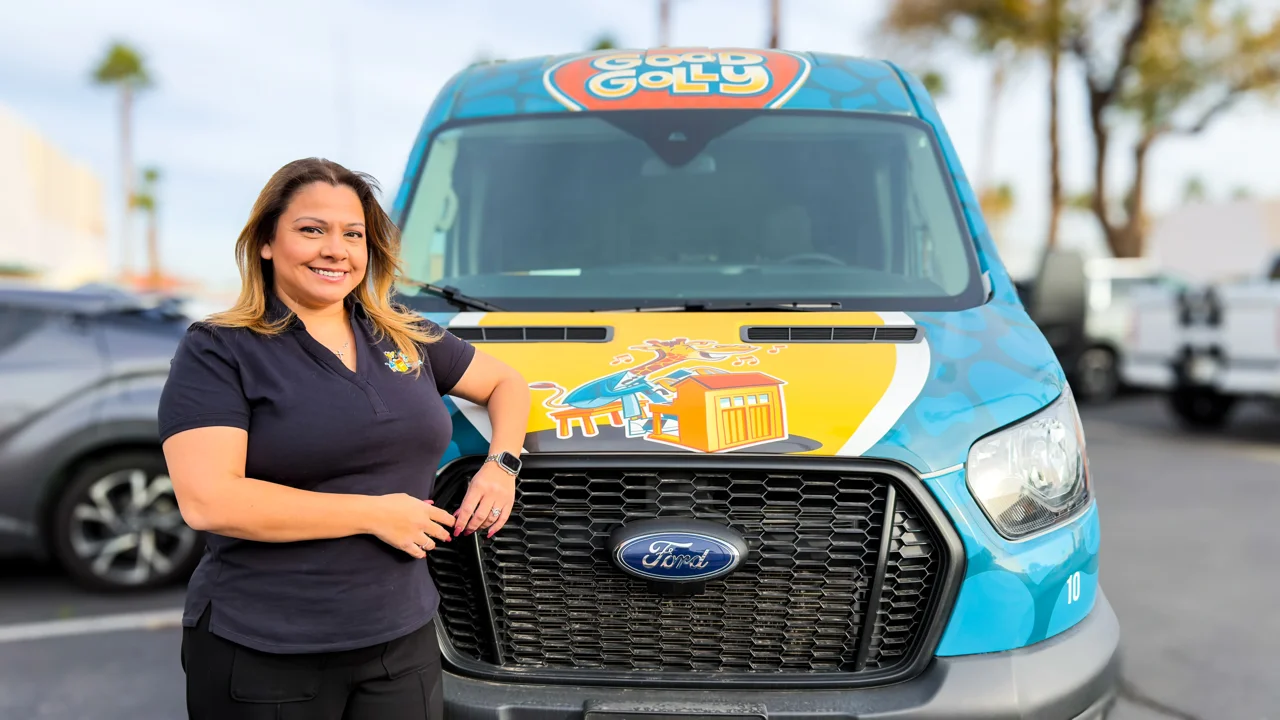
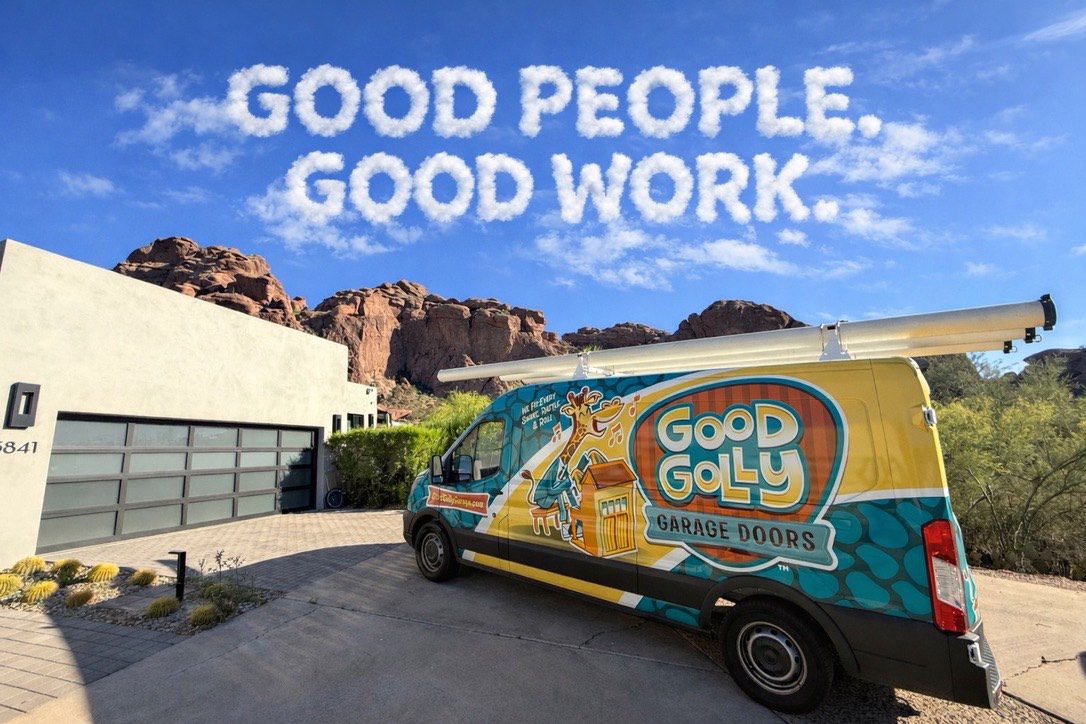
We answer the phone 24/7 for emergency spring, track, panel, and opener repairs, so you can reach a real person any time. Our technicians arrive in clearly marked service vehicles carrying common replacement parts, and most jobs can be completed the same day. If the door appears unstable or unsafe, keep people and pets clear and let our team handle the repair.