
Expert Garage Door Inspection Services in Alamo - Secure and Repair
Facing garage door issues in Alamo? Get immediate, expert inspection and repair. Ensure your door's safety and functionality. Contact us today!
Is Your Overhead Door Stuck, Noisy, or Unresponsive?
A malfunctioning garage door is more than a minor inconvenience; it presents a significant security risk and a safety hazard for your home in Alamo. If your system is grinding during operation, reversing unexpectedly, or refusing to open entirely, contact Good Golly Garage Doors to schedule a comprehensive diagnostic inspection.
You are likely dealing with worn mechanical components or electrical faults that require a professional assessment to prevent total system failure. Our technicians identify the root cause of the failure rather than just treating the symptoms.
- Professional inspection availability to address urgent security vulnerabilities and trapped vehicles.
- Comprehensive 25-point mechanical and safety assessments performed by certified technicians to ensure long-term functionality.
- Any necessary repairs with absolutely no hidden fees.
All services are performed in strict compliance with California safety standards, including SB 969 regulations, and come with a satisfaction guarantee.
Our Inspection Services: Safety and Quick Response
When a garage door fails, it rarely happens at a convenient time. The heavy operational load of a standard overhead door means that when components fail, they often create dangerous situations. A door that has come off its tracks, a cable that has snapped, or a spring that has fractured under tension renders the door inoperable and unsafe to touch. Attempting to force a stuck door open can result in catastrophic damage to the panels or serious physical injury due to the immense tension stored in the counterbalance system.
Good Golly Garage Doors provides rapid response inspection services designed to secure your home and restore access quickly. The primary goal during an inspection is to stabilize the door. We assess the physical danger, such as a door hanging askew or a cable unraveling on the drum. Once the site is safe, we move to a granular diagnosis of the failure. This service is critical for homeowners who rely on the garage as the primary entry point or have vehicles trapped inside. We prioritize these calls to ensure your daily routine is not halted by mechanical failure.
What You Get with Our Inspection: Efficiency, Safety, Longevity
A professional garage door inspection is a rigorous audit of the entire system. Your overhead door is likely the largest moving object in your home, consisting of hundreds of independent parts that must work in unison. Our inspection covers three critical categories: mechanical hardware, the electrical operator system, and structural integrity.
Mechanical Component Analysis
The hardware bears the weight and tension of the door. Over time, metal fatigue sets in. Our technicians meticulously check the following:
- Torsion and Extension Springs: We check for gaps in the coils, signs of corrosion, and loss of tension. Springs have a rated cycle life, and we determine where your springs are in their lifecycle to predict impending breakage.
- Cables and Drums: We inspect lift cables for fraying, kinking, or rust. Even minor fraying can lead to a snap, dropping the door instantly. We also ensure the cable drums are free of cracks and securely tightened to the torsion shaft.
- Rollers and Hinges: We examine the condition of the rollers. Steel rollers often develop flat spots or lose their bearings, while nylon rollers can crack. We check hinges for stress fractures that occur after years of pivoting.
- Track Alignment: The vertical and horizontal tracks must be perfectly plumb and level. We check for bends, debris accumulation, or loose mounting brackets that cause the door to bind or shudder.
Opener and Electrical Systems
The motor is the brain of the operation, but it cannot compensate for a mechanically unsound door. We evaluate the logic board, motor gears, and drive train (chain, belt, or screw).
- Force Settings: We test the opening and closing force. If the force is set too high, the opener may crush objects before reversing; too low, and the door won't close completely.
- Limit Switches: We verify the travel limits to ensure the door opens fully without hitting the stop bolt and closes tight against the floor without bowing the rail.
- Capacitors and Gears: We check for bulging capacitors and stripped gears inside the motor casing, which are common causes of humming noises without movement.
Structural Integrity and Balance
The door itself must be sound. We inspect the panels for cracks, dents, or separation.
- Door Balance: This is the most critical test. We disconnect the opener and operate the door manually. A properly balanced door should lift easily with one hand and stay in place when released halfway up. If it falls or shoots up, the spring tension is incorrect, putting excessive strain on the opener.
- Weather Sealing: We inspect the bottom astragal and perimeter weatherstripping. Brittle or missing seals allow moisture, pests, and debris to enter the garage, damaging the door's bottom section.
How Our Garage Door Inspection Process Works
We believe in a systematic approach that leaves nothing to chance. When you schedule an inspection, you are engaging a process refined by years of field experience.
- Technician Arrival and Site Safety: The first step is securing the area and visually inspecting the door's position. We disable the electric opener to prevent accidental activation during the physical exam.
- Visual and Audible Assessment: We run the door (if safe) to listen for specific noises. Squeaking suggests friction; grinding indicates metal-on-metal contact or stripped gears; popping sounds usually point to a binding track or a catching roller.
- The "25-Point" Checklist: We move through the hardware, beginning at the torsion tube and working down to the bottom brackets. Every bolt is checked for tightness. Vibration naturally loosens fasteners over time, and simple tightening can resolve many noise issues.
- Safety Reverse Test: We place a standardized block on the floor to test the auto-reverse mechanism. The door must reverse upon contact. If it does not, the opener is non-compliant with federal safety regulations.
- Sensor Alignment: We check the photo-eye sensors for alignment and wiring integrity. These sensors must "see" each other to allow the door to close. Sunlight interference or dirty lenses are common issues we diagnose.
- Report and Recommendations: Once the inspection is complete, we provide a detailed report. We categorize findings into "Critical Safety Hazards," "Recommended Repairs," and "Monitor for Future." You receive a clear explanation of what is broken, why it broke, and the cost to fix it.
When to Choose Replacement Over Repair
One of the main goals of an inspection is to help you make a financially sound decision. There comes a tipping point where repairing an aging system is throwing good money after bad. Our technicians provide honest assessments based on the "50% Rule" and the age of the equipment.
- Cost of Repair vs. New Install: If the cost to repair the current damage exceeds 50% of the cost of a brand-new door or opener, replacement is usually the wiser investment.
- Age of the System: Most garage door openers have a service life of 12 to 15 years. If your opener is older and suffering from logic board failure, sourcing parts may be difficult and expensive. A new system offers better security, Wi-Fi connectivity, and battery backup.
- Safety Standards: If your door lacks modern safety features such as photo-eye sensors or pinch-resistant panels. We often recommend replacement to reduce liability and risk of injury.
- Severe Structural Damage: While we can replace individual panels, if a door has multiple damaged sections or the frame is bent, the structural integrity is compromised. A patchwork repair will never seal or operate as smoothly as a new system.
- Noise Reduction Needs: If your current system is a chain drive on a non-insulated steel door, no amount of repair will make it whisper-quiet. If noise transfer to living spaces is an issue, replacing it with a belt drive and an insulated sandwich-style door is the only effective solution.
Why Trust Us?
Choosing the right partner for your garage door inspection means choosing transparency and technical skill. Every technician is vetted, trained, and equipped to handle any brand or model of garage door.
- Diagnostic Technology: We don't just guess. We use tension gauges and electrical multimeters to get accurate readings on your springs and motor. This ensures we aren't selling you parts you don't need.
- No Band-Aid Fixes: Good Golly Garage Doors prioritizes long-term solutions. If we see a symptom, like a stripped gear, we look for the cause, such as an unbalanced door. Fixing the gear without balancing the door guarantees the gear will strip again. We solve the root problem.
- Clear Communication: We explain technical terms in plain English. You will understand exactly what "torsion cycle" or "force setting" means regarding your home's safety. We provide written estimates before any work begins, giving you control over the process.
Book Your Service Now
Your garage door is the largest moving part of your home and a primary entry point. Ignoring strange noises or jerky movements can lead to expensive repairs or safety hazards. Don't wait for the door to stay shut permanently.
Secure your home and ensure reliable operation today. Contact us to book your comprehensive garage door inspection.

Need Garage Door Help ASAP?
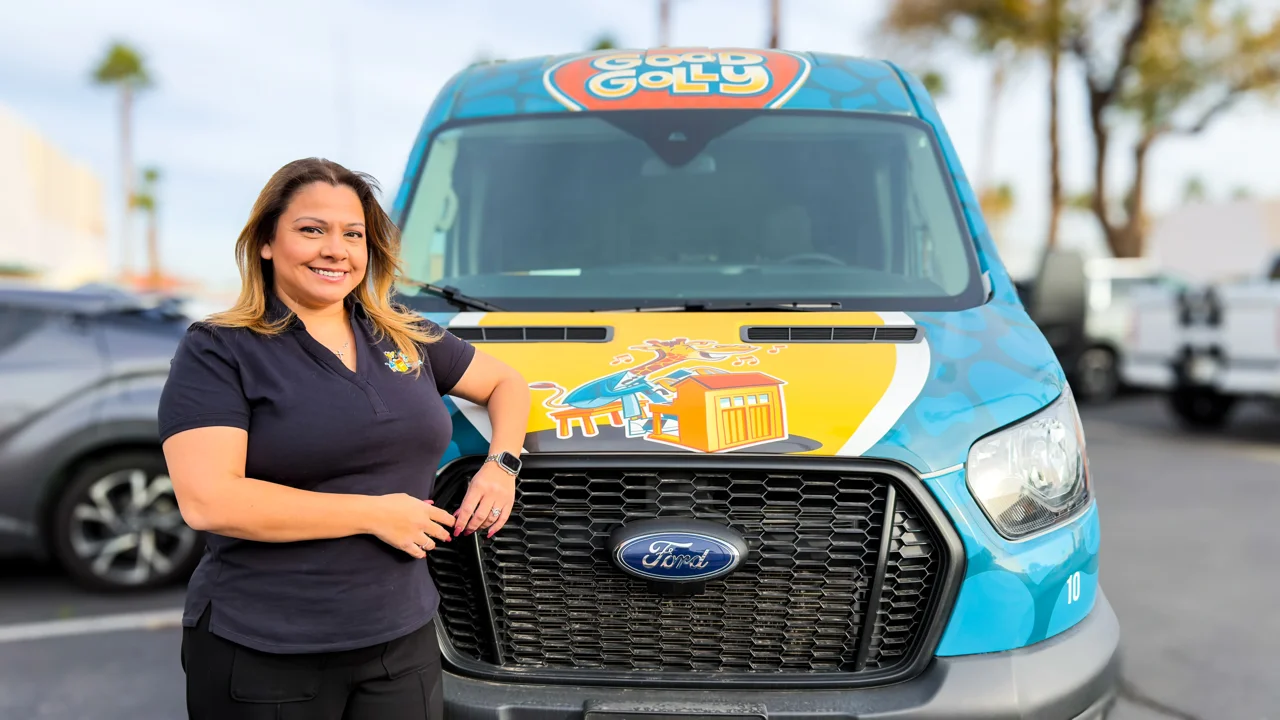
We answer the phone 24/7 for emergency spring, track, panel, and opener repairs, so you can reach a real person any time. Our technicians arrive in clearly marked service vehicles carrying common replacement parts, and most jobs can be completed the same day. If the door appears unstable or unsafe, keep people and pets clear and let our team handle the repair.