Garage Door Inspection and Repair in Salida - Immediate Service
Struggling with garage door issues in Salida? Get fast, expert inspection and repair to safeguard your home. Contact Good Golly Garage Doors to schedule your…
Garage Door Inspection Solutions
Facing unexpected garage door issues in Salida? Quick, professional inspection and repair can prevent further problems and ensure your safety. Whether your door is stuck, making grinding noises, or failing to reverse, assessment determines whether a minor adjustment or a major component replacement is necessary to secure your home. Contact us to schedule a comprehensive safety check.
All services are conducted by experienced professionals, complete with strict compliance with local codes. When you engage Good Golly Garage Doors, you receive a detailed breakdown of your system’s health, ensuring no safety hazard goes unnoticed.
What You Get With A Professional Inspection
A garage door is the largest moving object in your home, consisting of high-tension parts and heavy panels. A visual glance is not enough to determine structural integrity. Our professional inspection is a rigorous, point-by-point analysis designed to uncover hidden failures before they cause injury or property damage.
The Mechanical Integrity Check
The hardware holding your door together bears immense weight every time the door cycles. Over time, vibration loosens fasteners, and metal fatigue sets in.
- Torsion and Extension Springs: We measure the tension and check for gaps, rust, or elongation. Springs have a specific cycle life; once exceeded, they become a snap hazard.
- Lift Cables: We inspect for fraying, kinking, or rust. A single frayed strand can lead to a snapped cable, causing the door to slam shut or hang unevenly.
- Rollers and Bearings: We assess the condition of roller wheels and internal bearings. Worn bearings cause vibration that damages the opener and tracks.
- Hinges and Brackets: We tighten all hardware and check for stress cracks in the metal, particularly on the bottom brackets where tension is highest.
- Track Alignment: Vertical and horizontal tracks are measured for plumb and level. Misalignment creates friction, forcing the opener to work harder and reducing its lifespan.
The Opener and Electronic Systems Analysis
Modern openers are complex machines that require precise calibration.
- Drive System (Belt, Chain, or Screw): We check for slack in chains or missing teeth on belts. Proper tension is restored to prevent slippage.
- Internal Gears and Sprockets: We inspect the nylon gears inside the motor housing. Shavings or dust indicate gears are stripping and near failure.
- Logic Board and Capacitors: We test electrical connections for corrosion or burn marks, common causes of intermittent operation.
- Limit Switch Settings: We verify that the door opens fully without hitting the stop bolt and closes tightly without bowing the rail.
Safety Compliance Testing
Safety is the primary driver for professional inspections.
- Photo-Eye Sensors: We verify alignment and cleanliness. Sensors must communicate perfectly to stop the door if an obstruction is present.
- Auto-Reverse Mechanism: We conduct a force test. If the door encounters resistance while closing, it must automatically reverse. This is a non-negotiable safety standard.
- Release Cord: We test the manual release to ensure you can operate the door manually during a power outage.
How The Inspection Process Works
Our inspection process is systematic and thorough. We do not skip steps or make assumptions based on the door’s age. The goal is to provide you with a factual report on the condition of your entry system.
- Visual Assessment: The technician performs an initial walk-around, looking for visible damage to panels, bent tracks, or loose wires. This creates a baseline for where to focus detailed testing.
- Balance Test: We disengage the automatic opener to operate the door manually. A properly balanced door should lift easily with one hand and stay suspended halfway up. If the door slams shut or shoots up, the spring tension is incorrect, placing dangerous strain on the opener.
- Operation Cycle Analysis: We reconnect the opener and run the door through several full cycles. We listen for specific sounds, grinding, squeaking, or rattling, that indicate specific component failures. For example, a grinding noise often points to worn motor gears or bad bearings, while a squeak usually indicates a lack of lubrication or metal-on-metal friction.
- Sensor and Safety Verification: We test the entrapment protection systems. We place an object in the path of the sensors to ensure the door refuses to close. We also physically block the door’s path during travel to test the force sensitivity settings.
- Lubrication and Minor Adjustments: As part of the inspection, we apply professional-grade lithium grease to moving metal parts (excluding tracks) and tighten accessible hardware. This often resolves minor noise issues.
- Detailed Reporting: Finally, we provide a clear report of findings. This includes what is working, what requires maintenance, and what is a critical safety hazard. You get specific recommendations rather than vague guesses.
When Replacement Beats Repair
After an inspection in Salida, the data determines the next step. While repair is often possible, there are specific thresholds where investing in repairs is essentially throwing money away. We help you evaluate the cost-effectiveness of repair versus replacement based on the inspection results.
Critical Structural Failure
If the inspection reveals significant damage to the door sections, replacement is usually the only safe option.
- Cracked or Sagging Panels: When panels crack, they lose their structural rigidity. Struts can be added for support, but they add weight that may exceed the spring and opener capacity.
- Rotted Wood: For wood doors, extensive rot or delamination compromises the door’s ability to hold hardware screws. If the bottom bracket cannot be securely fastened, the door is dangerous.
- Rust Through: If rust has perforated the steel sections, the structural integrity is gone. Painting over it is cosmetic and does not restore strength.
The 50% Rule
We generally apply the 50% rule to repair decisions. If the cost to repair the current system (parts and labor) exceeds 50% of the cost of a brand-new system, replacement is the smarter financial move.
Obsolescence and Safety Standards
Older systems may simply be unsafe or unsupported.
- Older Openers: If your opener is older than 15 years, it likely lacks mandated safety sensors. These systems cannot be repaired legally in many jurisdictions; they must be replaced to meet current safety codes.
- Lack of Parts: If a manufacturer has discontinued a model, sourcing parts becomes expensive or impossible. Installing a mismatched part can cause system instability.
Proof of Professional Service
Choosing the right partner for your garage door inspection means choosing a company that adheres to strict professional standards. Your safety is tied directly to the quality of the assessment.
Licensed and Insured Operations
We operate fully licensed and insured services. This protects you from liability. If an unlicensed worker is injured on your property or damages your vehicle during a test, you could be held responsible. Good Golly Garage Doors carries the necessary coverage to ensure your home and our technicians are protected.
Professional Diagnostic Tools
We utilize specialized equipment for inspections that goes beyond the homeowner’s toolbox.
- Tension Gauges: To accurately measure spring torque without guessing.
- Force Meters: To verify the exact pressure required to trigger the safety reverse, ensuring it meets UL 325 standards.
- Electrical Testers: To diagnose voltage drops and wiring faults that are invisible to the naked eye.
Unbiased Recommendations
Our technicians are paid to solve problems, not to sell unnecessary hardware. The inspection report is a factual document showing the condition of your door. We explain the difference between a "critical safety repair," a "recommended maintenance item," and an "optional upgrade." You retain full control over how to proceed.
Protect Your Family Before Something Fails
A garage door inspection is not just a check-up; it is a certification of safety for your family. Don’t wait for a spring to snap or a door to fall. Secure your home with a professional assessment today.

Need Garage Door Help ASAP?
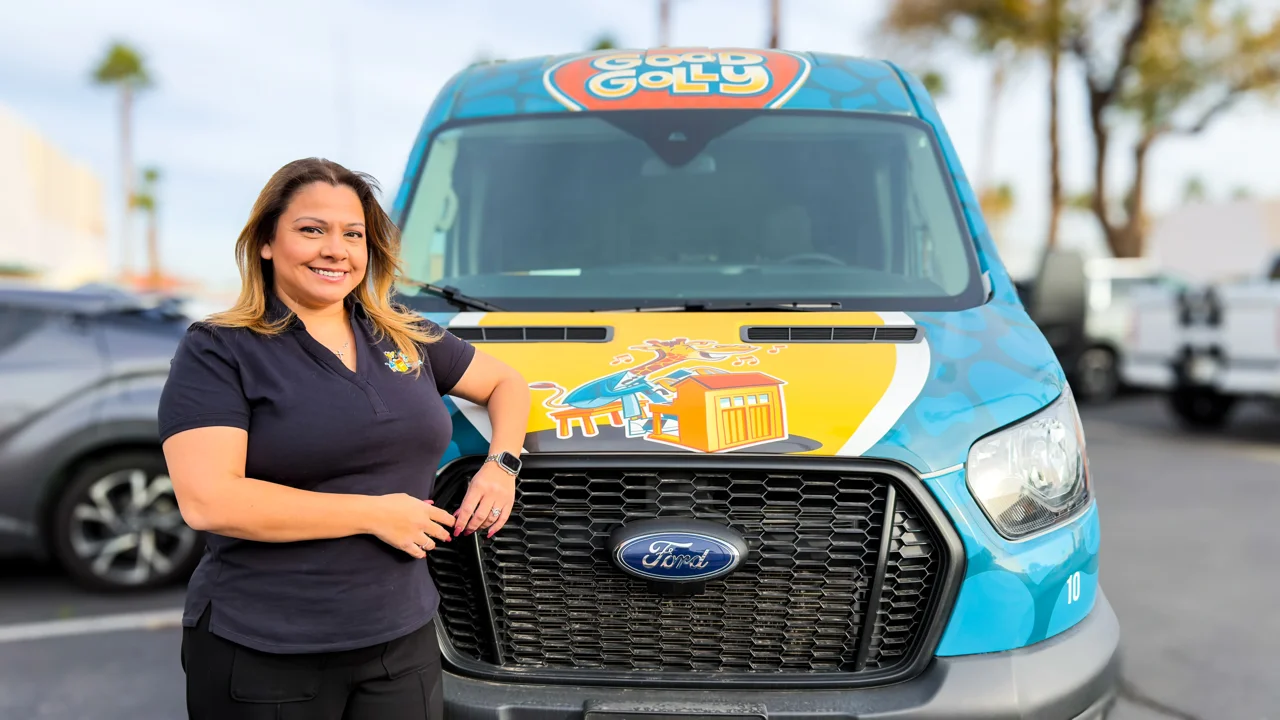
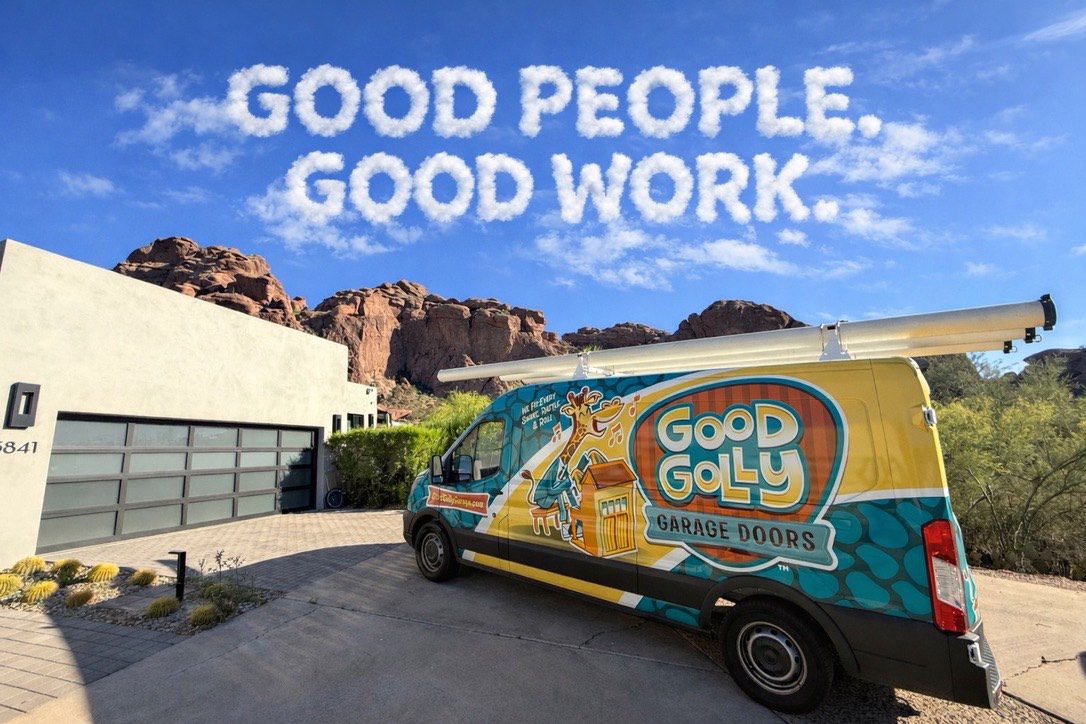
We answer the phone 24/7 for emergency spring, track, panel, and opener repairs, so you can reach a real person any time. Our technicians arrive in clearly marked service vehicles carrying common replacement parts, and most jobs can be completed the same day. If the door appears unstable or unsafe, keep people and pets clear and let our team handle the repair.