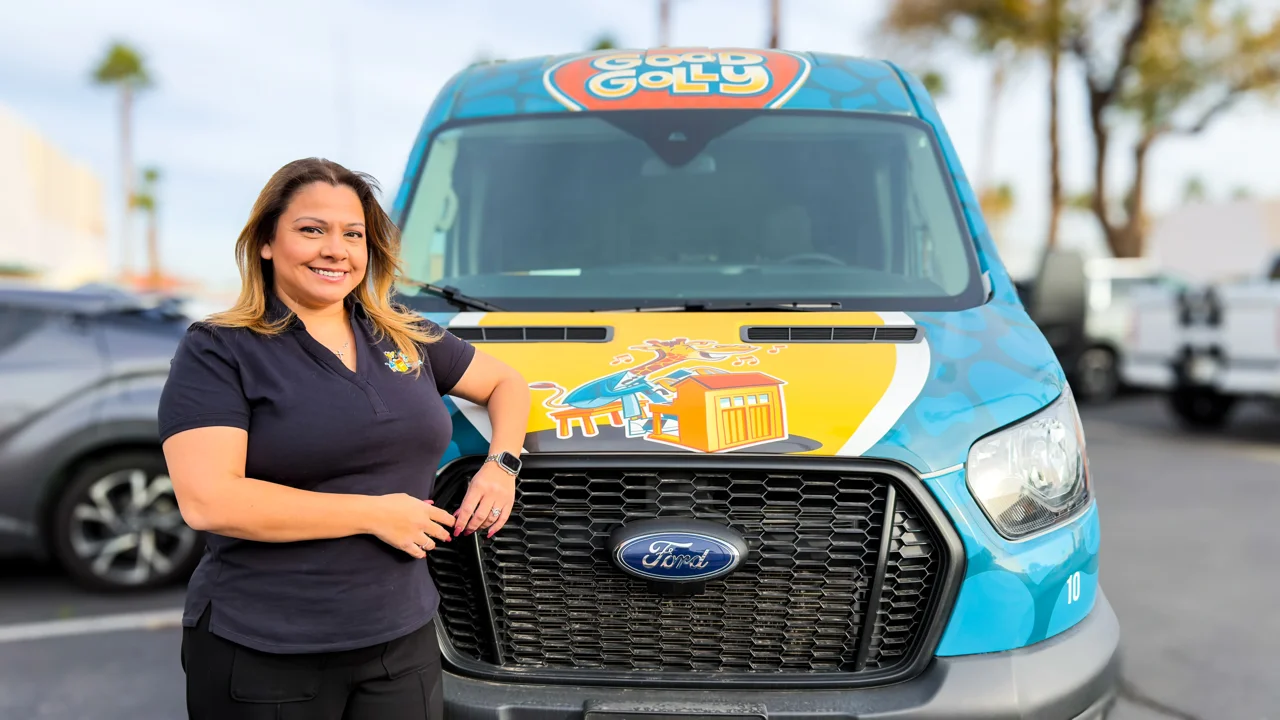

Expert Garage Door Opener Repair in Los Altos
Restore safety and convenience with our expert garage door opener repair services in Los Altos. Schedule same-day service to secure your home today!
Is a Malfunctioning Opener Disrupting Your Routine?
When your garage door opener fails, it throws off your whole day and leaves your vehicle trapped or your home vulnerable. Depend on quick, expert repairs from Good Golly Garage Doors to restore your peace of mind and get your schedule back on track in Los Altos. Contact us to schedule professional service or inquire about available financing options for necessary repairs.
- Secure professional repair services when you need reliable access to regain access to your property.
- Benefit from expert technicians who are available to assist with troubleshooting as needed.
- Enjoy a smoothly functioning garage door with minimal downtime through efficient diagnostic processes.
All services are fully licensed, compliant with local safety codes, and backed by manufacturer warranty coverage where applicable.
Comprehensive Diagnostics and Immediate Repair Scope
A garage door opener is a complex piece of motorized equipment that serves as the primary entry point for many homes. When you request service, the priority is identifying the root cause of the failure rather than just treating the symptom. A humming motor that does not move the chain requires a different solution than a remote control that has lost its signal. Service begins with a complete audit of the electromechanical system to determine exactly which component has been compromised.
Technicians arrive with the tools and parts needed to address many common opener issues during the visit, when available. The goal is to minimize disruption to your household. Whether the issue stems from a stripped internal gear, a faulty logic board, or a misaligned safety sensor, the necessary parts are often available without delay. This inventory management ensures that homeowners in Los Altos do not have to wait days for parts to ship while their garage remains inaccessible.
Repairs cover the full spectrum of opener drive types, including chain drive, belt drive, and screw drive systems. Each system has unique wear points. Chain drives often require tension adjustments and lubrication, while belt drives may suffer from belt deterioration over years of usage. Screw drives often face issues with the trolley teeth wearing down. Professional attention ensures that the specific drive mechanism is restored to manufacturer specifications.
The Systematic Approach to Opener Restoration
Restoring a garage door opener involves a structured workflow designed to ensure safety and longevity. This is not a matter of guessing; it is a systematic elimination of variables until the mechanical or electrical fault is isolated.
- Initial Site Inspection: The process starts with a visual and physical inspection of the entire door system. The technician checks the door’s balance first. If the springs are broken or the door is too heavy, the opener creates a safety hazard by trying to lift a "dead" weight.
- Electronic Circuit Testing: Technicians use multimeters to test the voltage arriving at the outlet and the output from the logic board. This confirms whether the issue is a simple power supply problem, a blown capacitor, or a fried circuit board due to a power surge.
- Internal Component Review: The motor housing is opened to inspect the internal gears. In many older openers, the main drive gear is plastic and can be stripped by the metal worm gear on the motor shaft. Technicians look for white plastic shavings, a clear indicator of gear failure.
- Sensor Alignment and Wiring Check: Safety eyes are mandatory for all modern openers. Technicians check for misalignment, dirty lenses, or damaged low-voltage wiring that runs from the motor head to the door tracks.
- Force and Limit Calibration: Once parts are replaced, the opener must be reprogrammed. This involves setting the "travel limits" (how far up and down the door goes) and the "force limits" (how much power the motor uses). Incorrect settings here can cause the door to reverse unexpectedly or slam into the concrete.
Critical Components That Frequently Require Service
Understanding what goes wrong helps in making informed decisions about repairs. Garage door openers consist of several subsystems, all of which must work in unison.
- Logic Boards: The "brain" of the opener. It controls the radio frequency for remotes, the safety sensor logic, and the motor commands. Power surges or age can cause solder points to crack or components to fail.
- Start Capacitors: Similar to an air conditioning system, the garage door motor often uses a capacitor to give it the extra torque needed to start lifting the door. If this component bulges or leaks, the motor may hum but fail to turn.
- RPM Sensors: This small sensor inside the motor creates a feedback loop, telling the logic board that the motor is actually moving. If this sensor is dirty or broken, the opener will usually move a few inches and then reverse for safety reasons.
- Trolley Assemblies: The carriage that connects the garage door arm to the rail system. Over time, the connection point can snap, or the release mechanism can become jammed, preventing the door from engaging with the opener.
Deciding Between Repair and Replacement
Homeowners often face the dilemma of whether to invest in a repair or opt for a full replacement. This decision relies on cost-efficiency, safety technology, and age.
- The 50% Rule: If the cost of the repair, parts and labor included, approaches around 50% of the cost of a new opener installed, replacement is often the more cost-effective option.
- Age of the System: Openers have an average lifespan of approximately 10 to 15 years. If a system is approaching this age range and experiences a major failure, such as a motor issue, investing in repairs may provide only limited additional service life.
- Safety Technology: Systems produced before 1993 may lack external safety reversal sensors, also known as photo-eyes. If your opener does not have these sensors, professional repair services cannot legally restore operation without bringing it up to current code, which typically requires replacement.
- Noise Levels: If the current opener is an older chain drive that transfers vibration through the home, repairing it will not reduce noise. Transitioning to a modern belt drive or wall-mounted design during replacement can improve overall comfort.
Regional Considerations and Environmental Factors
Operating a garage door opener in Los Altos requires attention to specific environmental conditions and local regulations that impact performance and legality.
- Moisture and Fog Impact: The region experiences significant morning fog and a wet winter season from December through February. Moisture is the enemy of electronics. High humidity can lead to corrosion on logic board contacts and sensor wiring. Technicians check for moisture intrusion and ensure that wiring connections are sealed or shielded where possible.
- Wood Door Weight Fluctuations: Many homes in the area feature custom wood carriage house doors. In wet weather, wood absorbs moisture and becomes significantly heavier. If the opener was calibrated during the dry summer, it may perceive this extra weight as an obstruction and reverse. Seasonal force adjustments are often necessary to keep the door running smoothly year-round.
- California Senate Bill 969 (Battery Backup): State law requires that all newly installed garage door openers in California include a battery backup system. This allows operation during power outages, which can occur during storms or wildfire-related power shutoffs. If a replacement is required, the new opener must include this feature to meet current regulations.
The Risks of DIY Opener Repair
While some home maintenance tasks are suitable for do-it-yourself attempts, garage door opener repair poses specific safety and warranty risks.
- Electrical Shock Hazards: Working on the internal components of an opener involves exposure to high-voltage electricity, particularly near the capacitor and transformer. Without proper discharge procedures, serious injury can occur.
- Voiding Warranties: Most manufacturer warranties require repairs to be performed by qualified professionals. Attempting internal repairs yourself may void remaining warranty coverage.
- Improper Force Settings: The most critical safety feature of an opener is its ability to reverse when it hits an object. If a DIY repair leaves the force settings too high, the door can crush objects or injure people rather than reversing. Professional calibration ensures these safety features function correctly.
Why Specialized Service is Essential
Good Golly Garage Doors brings specialized equipment and training to every job site. The difference between a general handyman and a dedicated garage door technician lies in the depth of knowledge regarding lift mechanics and electrical integration.
- Inventory Accessibility: Access to OEM parts is crucial for a lasting repair. Using generic or "universal" parts can lead to fitment issues or premature failure. Professional services source parts directly from major manufacturers like LiftMaster, Chamberlain, and Genie.
- Whole-System Perspective: A specialist looks at the opener as part of a system. They recognize that a stripped gear in the opener is often a symptom of a broken spring or a bent track. Fixing the opener without addressing the heavy door will result in the same failure recurring weeks later.
- Code Compliance: Ensuring that all repairs meet local electrical and building codes protects the homeowner from liability. This includes verifying that all wiring is up to code and that emergency release handles are properly installed and accessible (max 6 feet above the floor).
Maintaining Your Opener Post-Repair
Once the immediate repair is completed, maintaining the system is key to avoiding future emergency calls.
- Regular Lubrication: The opener rail (if screw or chain drive) should be lubricated annually with a lithium-based grease. Do not use standard WD-40, which acts as a solvent and can strip away existing grease.
- Safety Reversal Test: Homeowners should perform a reversal test monthly. Place a 2x4 board flat on the ground where the door closes. When the door hits the board, it should immediately reverse. If it does not, call for service immediately.
- Sensor Cleaning: Keep the "eyes" of the safety sensors clean. Spider webs, dust, and leaves can block the beam. A simple wipe with a dry cloth can prevent intermittent closing issues.
- Visual Inspection of Hardware: Vibration over time can loosen mounting hardware. Periodically checking that the opener motor and brackets are secure helps prevent damage or failure.
Secure Your Garage and Schedule Service
A functioning garage door opener is essential for the security and convenience of your home. Ignoring strange noises, slow operation, or intermittent failure often leads to the door becoming stuck at the most inconvenient time. Addressing these issues with professional repair services ensures your system operates safely and reliably for years to come.
If your opener is not operating as expected, contact us to arrange an evaluation with a certified technician and restore dependable operation to your garage door system.

Need Garage Door Help ASAP?
We answer the phone 24/7 for emergency spring, track, panel, and opener repairs, so you can reach a real person any time. Our technicians arrive in clearly marked service vehicles carrying common replacement parts, and most jobs can be completed the same day. If the door appears unstable or unsafe, keep people and pets clear and let our team handle the repair.