

Garage Door Opener Installation in Atherton, CA
Garage Door Not Working? Call for Quick, Professional Repair Today!

No Service Fee for Residential Customers

A Slow or Stuck Garage Door Disrupts Your Daily Routine
Is your garage door refusing to open consistently or making grinding noises that wake the neighborhood? You could be facing issues with a worn-out motor, stripped gears, or an improperly installed opener that leaves your home vulnerable. Contact us today or inquire about our financing options to restore access.
Residents in Atherton rely on seamless entry to their homes, and a malfunctioning system creates security risks and significant inconvenience. Good Golly Garage Doors provides professional solutions to get your system running smoothly again.
- Secure a reliable opener with expert same-day installation service.
- Boost your home's security and convenience with a top-rated local provider.
- Ensure the job meets local codes and quality standards, hassle-free.
All installations are code-compliant and come with a satisfaction guarantee.
Comprehensive Garage Door Opener Installation Services
When you commission a new garage door opener, you are investing in the primary automation hub of your home’s largest entry point. The hardware installed today determines the noise level, security, and convenience you will experience for the next decade. Modern openers have evolved significantly from older chain-drive models, offering sophisticated features that integrate with smart home ecosystems and provide battery backup solutions compliant with California state regulations.
We provide a complete installation package that covers every aspect of the transition from a manual or broken door to a fully automated system. This service includes the removal and disposal of your existing system, the structural mounting of the new motor, rail assembly, and the precise calibration of travel limits. We ensure that the opener is perfectly matched to the weight and material of your specific door, whether it is a heavy custom wood carriage house door common in Atherton or a standard steel insulated model.
Selecting the Right Drive Mechanism for Your Home
Choosing the correct drive mechanism is critical for long-term satisfaction. Different homes have different requirements based on the location of the garage relative to living spaces.
- Belt Drive Openers: These are the gold standard for homeowners who prioritize silence. If your garage is located directly below a bedroom or adjacent to a living area, a belt drive uses a steel-reinforced rubber belt to lift the door, eliminating the metal-on-metal clatter associated with chains. They offer smooth, whisper-quiet operation and are highly durable.
- Chain Drive Openers: Known for their rugged reliability, chain drive systems use a metal chain to lift the door. They are typically more economical and capable of lifting very heavy doors. While slightly noisier than belt drives, modern DC motor technology has made them significantly quieter than legacy models.
- Jackshaft (Wall-Mount) Openers: These systems mount on the wall beside the garage door rather than on the ceiling. This frees up overhead space for storage or accommodates garages with high or cathedral ceilings. They offer a clean aesthetic and ultra-quiet operation, making them a premium choice for high-end garages.
- Smart Openers: Connectivity is no longer a luxury but a standard requirement. Most modern systems come with built-in Wi-Fi, allowing you to control and monitor your door via a smartphone app. You can receive alerts when the door opens, grant access to guests remotely, and integrate the opener with platforms like Amazon Key for secure package delivery.
Compliance with California SB 969
It is important to note that as of 2019, California law (SB 969) requires all newly installed residential garage door openers to be equipped with a battery backup. This ensures that in the event of a power outage—whether caused by storms or grid failures—you can still open and close your garage door automatically. We exclusively install fully compliant systems that keep you safe and operational during electrical interruptions.
Our Installation Process: From Assessment to Operation
A professional installation is about more than just hanging a motor; it is about ensuring the entire counterbalance system works in harmony with the automation. Our technicians follow a rigorous, standardized protocol to ensure safety and longevity.
- Site Evaluation and Motor Matching: The process begins with an assessment of your current door’s balance and weight. An opener is not designed to lift a "dead" weight; it assists the springs. If the door is unbalanced, we identify it. We then select a motor with the appropriate horsepower rating—typically 1/2 HP for standard doors or 3/4 HP to 1 HP for heavier, insulated, or wood overlay doors found on many properties.
- Removal and Structural Prep: Technicians safely disconnect and dismantle the old system. We check the mounting brackets and structural support in the ceiling to ensure they are fastened securely to the joists. If the previous installation was makeshift or loose, we reinforce the mounting area to prevent vibration and potential failure.
- Assembly and Mounting: The rail and motor assembly are constructed and lifted into position. The rail is leveled to ensure the door travels smoothly without binding. We attach the trolley arm to the door using proper reinforcement brackets. This step is vital because improper attachment can damage the top section of the garage door over time.
- Safety Sensor Installation: Photo-eye sensors are installed six inches from the floor on either side of the opening. These non-contact sensors project an invisible beam across the threshold. If the beam is broken by a person, pet, or object while the door is closing, the system automatically reverses. Precise alignment is essential here; even a slight misalignment can cause the door to refuse to close.
- Programming and Accessories: Once the hardware is secure, we program the travel limits (how far up and down the door moves) and the force settings (how much power the motor uses). We sync all remotes, install the wireless keypad outside, and configure the wall console. Finally, we assist in setting up the Wi-Fi connectivity for app-based control.
Determining When to Replace vs. Repair Your Opener
Homeowners often struggle to decide whether to repair an aging system or invest in a full replacement. While some minor issues can be fixed, there are specific scenarios where replacement is the more economical and safer choice.
- Age of the system: If your opener is over 15 years old, it is likely nearing the end of its operational life. Motors weaken, electronics degrade, and finding replacement parts becomes difficult and expensive. A new system offers better reliability
- Lack of Safety Features: Openers manufactured might lack the federally mandated safety reversing sensors (photo eyes). If your system does not have these sensors, it is a significant safety hazard and should be replaced to prevent injury or property damage. Additionally, if you lack the battery backup required by California law, replacement brings you up to code.
- excessive Noise and Vibration: If your opener rattles, grinds, or vibrates excessively despite lubrication and maintenance, it often indicates internal damage to the motor or gears. While gears can sometimes be replaced, the cost of labor and parts often approaches the price of a brand-new, quieter system with modern features.
- Intermittent Security Issues: Older openers use fixed codes that can be easily intercepted by tech-savvy thieves (code grabbing). Modern openers utilize rolling code technology, which generates a new code every time the remote is pressed. If you are concerned about security, upgrading to a rolling code system is a necessary step.
Navigating Local Climate and Installation Requirements
Operating in the Bay Area requires specific attention to environmental factors that affect garage door openers. In Atherton, the Mediterranean climate brings distinct seasonality that impacts how these machines function and when they should be installed or serviced.
- Moisture and Sensor Alignment: While winters are generally mild, the wet season from November to March brings moisture that can affect electrical components. High humidity or driving rain can cause condensation on safety sensors, leading to "phantom" reversals where the door refuses to close. We use weather-resistant wiring and ensure connections are shielded to prevent corrosion and signal interference during the rainy months.
- Temperature Fluctuations: Although extreme freezes are rare, temperature shifts can affect the viscosity of the grease in the opener rail and the tension of the drive belt or chain. We use synthetic lubricants designed to maintain consistency across temperature ranges, ensuring the opener doesn't strain during a chilly morning or overheat during a summer afternoon.
- Permitting and Electrical Codes: Most simple opener replacements do not require a complex structural permit, but any new electrical circuits run to the ceiling to power the system must meet local building codes. If your garage lacks a dedicated ceiling outlet, we can coordinate to ensure power is delivered safely and legally. Adhering to these local standards prevents complications when selling the home or during future inspections.
Operational Reliability and Safety Standards
A garage door is the heaviest moving object in most homes. The opener serves as the mechanism that controls this weight, meaning safety and precision are non-negotiable. Attempting a DIY installation often leads to critical errors, such as incorrect force settings. If the force is set too high, the door may not reverse when it hits an obstruction, posing a crushing hazard. If set too low, the door may stop halfway or refuse to close completely.
Good Golly Garage Doors utilizes diagnostic tools to calibrate these settings precisely. We verify that the door reverses upon contact with a 2x4 board laid flat on the ground—a standard safety test.
Troubleshooting Common Post-Installation Questions
Even with a new system, homeowners should be aware of how to maintain optimal performance.
- Resetting the System: In the event of a power surge or if you need to erase old remotes (for example, if a remote is lost), you should know how to clear the memory on the motor head. We walk you through this process during the handover.
- Lubrication Schedule: The opener rail (if it is a screw or chain drive) requires annual lubrication. However, belt drives typically do not require grease and can actually be damaged by it. We provide a clear maintenance checklist based on the specific model installed.
- Battery Backup Testing: The backup battery in your new system will eventually need replacement, typically every 1-2 years. The system will usually beep to alert you. We show you exactly where the battery is located and how to swap it out to maintain compliance and function.
Secure Your Home with Modern Access Solutions
The reliability of your garage door opener dictates the flow of your day and the security of your property. Ignoring the signs of a failing motor or relying on outdated technology creates unnecessary frustration and safety risks. Upgrading to a modern, code-compliant system ensures silent operation, smartphone connectivity, and the peace of mind that comes with knowing your door will open every time you press the button.
Take the next step in securing your home and enhancing your convenience. Contact us to schedule your installation assessment and experience the difference professional service makes.
[ PARTNERS ]
TRUSTED BY BRANDS
TRUSTED BY BRANDS ACROSS THE WORLD
ACROSS THE WORLD






[ TESTIMONIALS ]
DON´T TAKE OUR WORD
DON´T TAKE OUR WORD FOR IT, TAKE OUR CLIENT´S
FOR IT, TAKE OUR CLIENT´S

Great experience! They quickly fixed a motor issue, helped with the remote control, and gave helpful maintenance tips. Professional, honest, and reliable service. Highly recommend good golly garage door.

highly recommend this company! They were extremely professional and made sure everything was working properly and safely before they left. I will definitely use them again and would refer them to anyone who needs help. Thank you all for doing such a wonderful job
My repairman Aaron was great, got here at the appointment window and got the repair of my broken spring done fast. Very friendly and knowledgeable, explain every process of the repair and I was even able to learn a few tricks of the trade. Price was far and was able to match a quote from another company. Definitely recommend Good Golly Garage Doors
I had a great experience with Good Golly Garage Doors. They responded quickly, arrived on time, and immediately addressed the issue. The technician was professional, knowledgeable, and had my garage door working smoothly again in no time. The entire process was efficient and stress-free. Highly recommend them for anyone needing fast and reliable garage door service!
NEED GARAGE DOOR HELP ASAP?
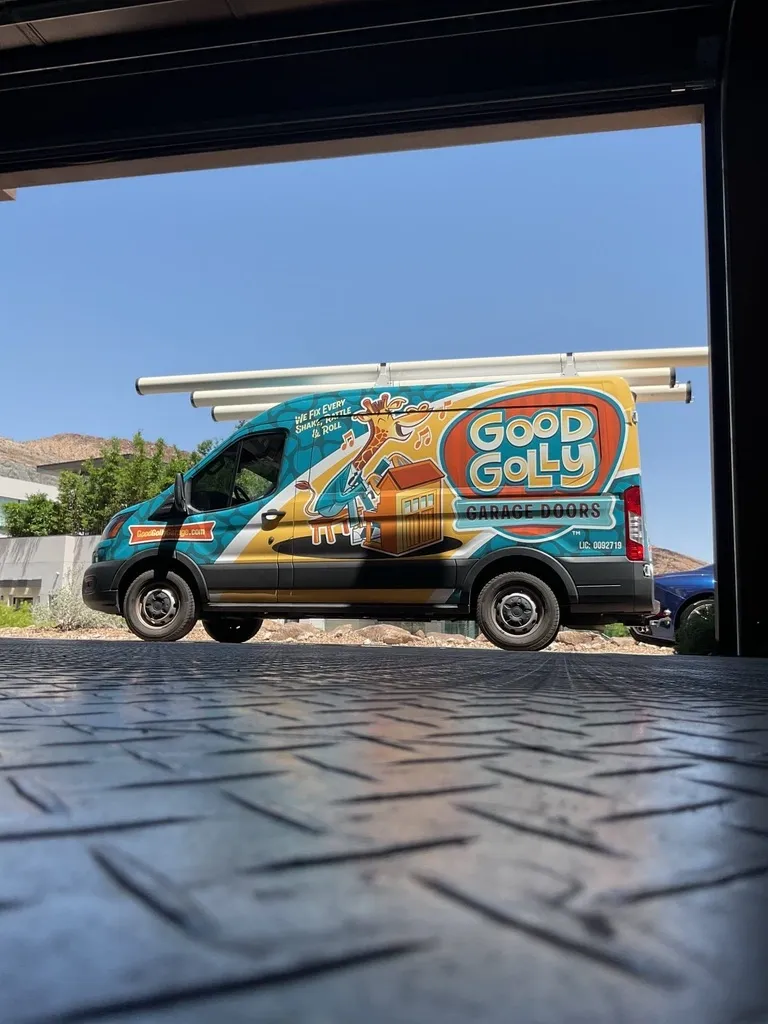
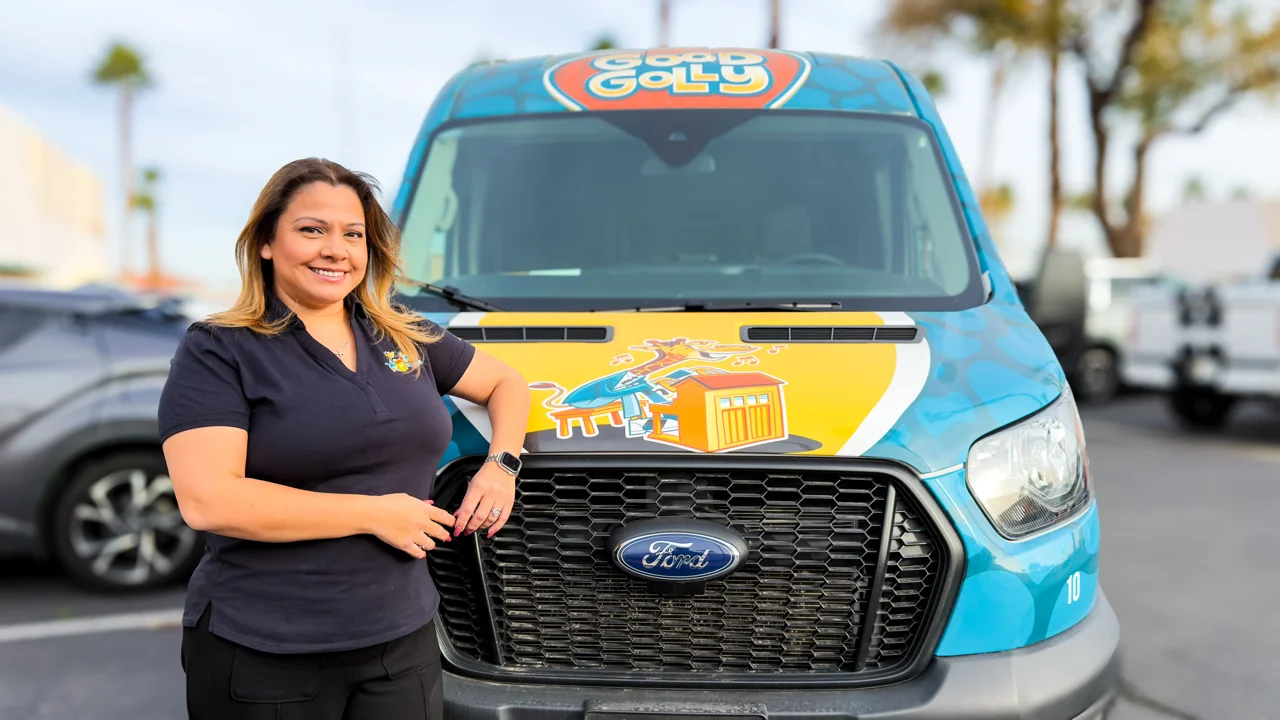
We’re available 24/7 for emergency spring, track, panel, and opener repairs, so you can call anytime for immediate dispatch. Our technicians arrive in clearly marked service vehicles with common replacement parts to stabilize and repair your door safely, often during the same visit. If the door appears unstable or unsafe, keep people and pets clear and allow our licensed and insured team to handle the repair.




[ LOCATIONS ]
FIND ONE OF OUR LOCAL
PEACE OF MIND FROM THE START
Garage Door experts near you