
Garage Door Tune Up in Danville, CA
Garage Door Not Working? Call for Quick, Professional Repair Today!

GARAGE DOOR MAINTENANCE
*For residential properties. Price is per garage door. May not be combined with any other offers. Coupon must be present at the time of service.
Eliminate Squeaks, Shudders, and Unreliable Operation
Is your garage door refusing to open smoothly, making grinding noises, or reversing unexpectedly when you try to close it? You are likely overdue for a professional maintenance check to address mechanical wear before it becomes a major failure. Contact us today to schedule your service or inquire about available financing options.
Residents in Danville rely on their garage doors as the primary entrance to the home, meaning high cycle counts lead to component degradation. Good Golly Garage Doors provides comprehensive tune-up services designed to catch issues early and restore factory-level performance.
- Restore your door to optimal function within a single visit.
- Prevent costly breakdowns with a thorough 21-point maintenance check.
- Enhance safety and security with expert sensor adjustments and balance testing.
All services performed are fully licensed and backed by a satisfaction guarantee.
What Is Included in a Comprehensive System Tune-Up
A garage door is a complex system involving heavy moving parts, high-tension springs, and intricate electrical components. A tune-up is not merely a visual inspection; it is a hands-on service where technicians physically adjust, tighten, and lubricate the hardware to ensure the system operates under the correct physical parameters.
When you book a service, the technician systematically addresses the critical components that dictate the lifespan of the door:
- Torsion and Extension Spring Balancing: Springs do the heavy lifting. Over time, they lose tension (fatigue), forcing the opener to work harder. We test the balance to ensure the door can be lifted manually with one hand. If the door feels heavy, the springs are adjusted to the correct torque.
- Roller Inspection and Lubrication: Steel or nylon rollers allow the door to travel up the tracks. Worn bearings cause vibration and noise. We inspect every roller for flat spots or wobbling and apply specialized lubrication to non-sealed bearings.
- Cable and Drum Analysis: The cables transfer the spring energy to the door. Fraying cables are a severe safety hazard. We inspect for fraying, kinking, or rust and ensure the cables wind evenly onto the drums without overlapping.
- Track Alignment and Tightening: Vibration shakes bolts loose over time. We tighten all track brackets, hinges, and motor mounts. We also check the vertical and horizontal tracks for alignment to prevent friction or binding.
- Safety Reverse System Testing: This is a critical safety check. We test the photo-eye sensors for alignment and verify the pressure force settings on the opener to ensure the door reverses upon striking an object.
- Opener Gear and Chain/Belt Check: For the motor system, we inspect the drive gears for stripped teeth and adjust the tension on the chain or belt drive to prevent slapping or slipping.
The Process: How We Restore Door Performance
Understanding the workflow of a professional tune-up helps homeowners realize the value of preventative maintenance. The goal is to reduce friction and mechanical stress.
- Initial Diagnostic Run: The technician operates the door to listen for specific sounds, grinding indicates bearing failure, popping suggests spring binding, and scraping points to track misalignment.
- Hardware Tightening: The technician moves from panel to panel, tightening the hinges and hardware that hold the door sections together. Loose hinges can cause the door to sag, leading to panels cracking in the center.
- Lubrication Strategy: Not all lubricants are safe for garage doors. Using WD-40, for example, can act as a solvent that strips factory grease and attracts dust. We utilize professional-grade lithium or silicone sprays on springs, rollers, and hinges to create a non-sticky barrier against friction.
- Limit Switch Calibration: Over time, the travel limits on the opener may drift. This causes the door to either slam into the concrete (damaging the bottom seal) or stop inches from the floor (inviting pests). We recalibrate the open and close limits for a perfect seal.
- Final Safety Test: The service concludes with a balance test and a sensor obstruction test to confirm the door meets current safety standards.
When to Repair vs. Tune-Up vs. Replace
A common question regarding garage door maintenance is whether a tune-up will solve a specific problem or if a repair or replacement is necessary. A tune-up is preventative and corrective for minor operation issues, but it cannot fix structural damage or end-of-life components.
Situations Solved by a Tune-Up
- Excessive Noise: Squeaking springs and rattling tracks are typically resolved through tightening and lubrication.
- Minor Sticking: If the door hesitates slightly, track cleaning and alignment usually restore smooth travel.
- Sensor Glitches: Blinking lights on the opener often signal misaligned sensors, which is a standard part of maintenance.
Situations Requiring Repair
- Broken Springs: If a spring has snapped (indicated by a loud bang and a gap in the coils), it cannot be tuned; it must be replaced.
- Frayed Cables: Cables that are unraveling are dangerous and require replacement, not just adjustment.
- Stripped Gears: If the motor runs but the door does not move, the internal gears are likely stripped and need replacement.
Situations Requiring Replacement
- Section Damage: If the steel panels are cracked, bent, or bowing significantly in the center, the structural integrity is compromised. A tune-up cannot fix bent metal.
- Rotted Wood: For wooden carriage house doors, extensive rot or water damage usually dictates a full replacement.
- Obsolete Openers: If the opener is older than 15 years (lacking safety eyes), it is often more cost-effective and safer to replace the system with a modern system.
Why Professional Calibration is Essential
Homeowners often attempt DIY maintenance, but without the specific tools and knowledge of door geometry, this can lead to safety risks or further damage.
- Spring Tension Dangers: The torsion spring system is under immense pressure. Adjusting the winding cones without the proper winding bars and training can result in severe physical injury.
- Force Setting Precision: Modern openers have force sensitivity settings. If these are set too high, the door will not reverse if it hits a person or car. If set too low, the door will refuse to close on windy days. Professional calibration finds the exact balance required for safety and reliability.
- Tooling and Parts: We utilize heavy-duty impact drivers, winding bars, and professional-grade leveling tools that are not standard in a homeowner’s toolkit. Additionally, we carry specific replacement parts like nylon rollers and bottom fixtures, allowing for minor repairs during the tune-up process.
Securing Long-Term Functionality
Neglecting the largest moving object in your home leads to premature failure and unexpected repair bills. A scheduled tune-up is the most cost-effective way to extend the life of the springs, opener, and rollers. By ensuring every bolt is tight, every bearing is greased, and every sensor is aligned, you protect your investment and ensure safe daily operation for your family.
Don't wait for the door to jam halfway open. Take a proactive approach to home maintenance.
Contact Good Golly Garage Doors now to schedule your comprehensive garage door tune-up.
[ PARTNERS ]
TRUSTED BY BRANDS
TRUSTED BY BRANDS ACROSS THE WORLD
ACROSS THE WORLD






[ TESTIMONIALS ]
DON´T TAKE OUR WORD
DON´T TAKE OUR WORD FOR IT, TAKE OUR CLIENT´S
FOR IT, TAKE OUR CLIENT´S

Great experience! They quickly fixed a motor issue, helped with the remote control, and gave helpful maintenance tips. Professional, honest, and reliable service. Highly recommend good golly garage door.

highly recommend this company! They were extremely professional and made sure everything was working properly and safely before they left. I will definitely use them again and would refer them to anyone who needs help. Thank you all for doing such a wonderful job
My repairman Aaron was great, got here at the appointment window and got the repair of my broken spring done fast. Very friendly and knowledgeable, explain every process of the repair and I was even able to learn a few tricks of the trade. Price was far and was able to match a quote from another company. Definitely recommend Good Golly Garage Doors
I had a great experience with Good Golly Garage Doors. They responded quickly, arrived on time, and immediately addressed the issue. The technician was professional, knowledgeable, and had my garage door working smoothly again in no time. The entire process was efficient and stress-free. Highly recommend them for anyone needing fast and reliable garage door service!
NEED GARAGE DOOR HELP ASAP?
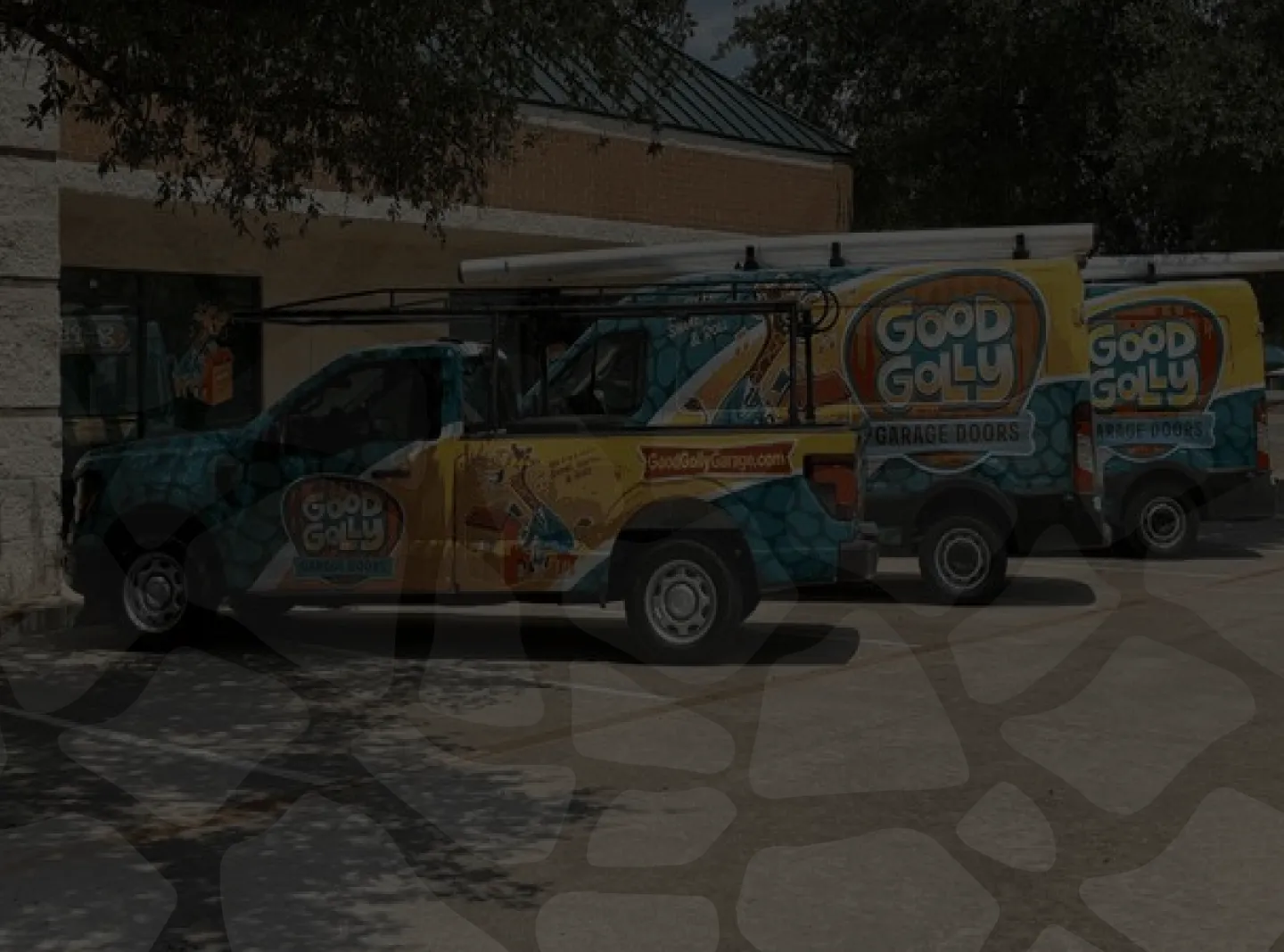
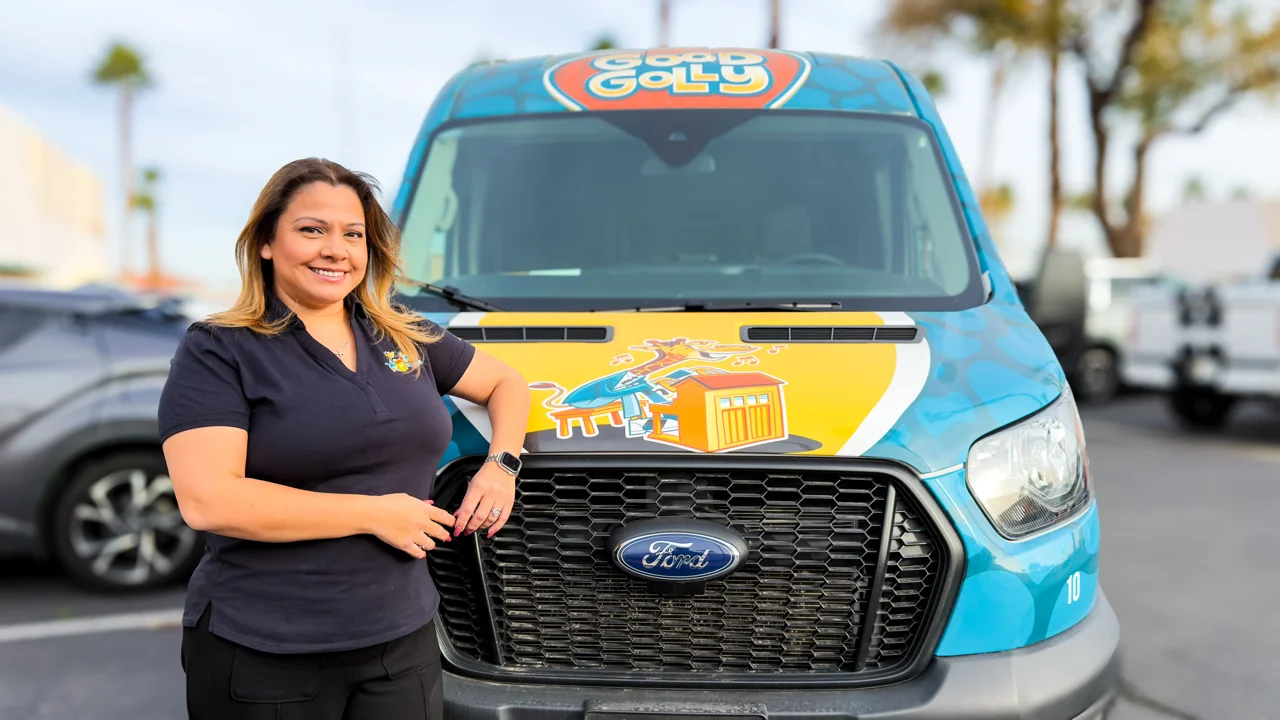
We’re available 24/7 for emergency spring, track, panel, and opener repairs, so you can call anytime for immediate dispatch. Our technicians arrive in clearly marked service vehicles with common replacement parts to stabilize and repair your door safely, often during the same visit. If the door appears unstable or unsafe, keep people and pets clear and allow our licensed and insured team to handle the repair.


[ LOCATIONS ]
FIND ONE OF OUR LOCAL
PEACE OF MIND FROM THE START
Garage Door experts near you