
Professional Garage Door Repair in Tracy
Facing garage door problems in Tracy? Contact us for rapid, expert inspections and repairs. Secure your home with same-day service and emergency availability.
Resolve Your Garage Door Issues Fast
Is your garage door failing to open, reversing unexpectedly, or making disturbing noises during operation? You are not alone, and prompt help is available to restore security and functionality to your Tracy home. Contact us today to schedule a comprehensive inspection or inquire about our available financing options for necessary repairs.
A malfunctioning garage door is more than an inconvenience; it is a potential safety hazard and a security breach for your property. When mechanisms fail, heavy panels can become unstable, and automatic openers may stop responding to commands. Good Golly Garage Doors provides the technical expertise required to diagnose these issues accurately and resolve them quickly.
Quick Inspection and Repair Services
When you schedule a professional inspection, you receive a detailed evaluation of every mechanical and electrical component in your garage door system. The goal is to identify the root cause of failure rather than simply addressing the surface-level symptom. A door that is stuck halfway open may have a broken spring, a derailed cable, or a seized roller. A door that hums but does not move likely faces an opener motor failure or a stripped gear.
The inspection scope covers the entire counterbalance system. This includes the high-tension springs that lift the weight of the door. Technicians check torsion springs for fatigue, gaps in the coils, or rust that could lead to a snap. Extension springs are examined for proper extension and the presence of safety containment cables. The lifting cables are inspected for fraying, kinking, or separation from the drum, which are common precursors to a door falling off its tracks.
Hardware integrity is another critical focus area. Over time, the vibration of the door loosens fasteners. The inspection includes tightening hinges, brackets, and bolts to ensure the structure remains rigid. Rollers are checked for flat spots or seized bearings that cause loud grinding noises. If the tracks are misaligned or bent, the door will bind, putting excessive strain on the opener. Technicians measure the track spacing and alignment to ensure the door travels smoothly from the floor to the header.
The automatic opener and safety features undergo rigorous testing. This involves checking the logic board, motor gears, and drive train (belt, chain, or screw). The most vital part of this phase is the safety reversal test. If the door does not automatically reverse when it encounters an object, it is a significant liability. Photo-eye sensors are aligned and cleaned to prevent false positives that keep the door from closing.
- Counterbalance Analysis: Verification of spring tension and cable integrity to prevent sudden failures.
- Hardware Tightening: Securing all hinges, brackets, and track bolts to reduce noise and vibration.
- Track Alignment: Ensuring vertical and horizontal tracks are parallel and free of obstructions.
- Opener Diagnostics: Testing motor force, travel limits, and internal gear condition.
- Safety Verification: Confirming the functionality of auto-reverse mechanisms and infrared sensors.
Our Garage Door Service Process: What to Expect
Understanding the workflow of a professional inspection helps homeowners prepare for the service. The process is designed to be thorough, transparent, and efficient, minimizing disruption to your day while providing a clear path to a solution.
First, the technician arrives at your property. Upon arrival, a visual assessment is conducted to look for obvious signs of wear, such as hanging cables, cracked panels, or rusted springs. The technician will ask about the specific symptoms you have noticed, such as specific noises or intermittent operation issues.
Next, a manual balance test is performed. The technician disengages the automatic opener to operate the door manually. A properly balanced door should be easy to lift with one hand and stay in place when released halfway up. If the door slams down or shoots up, the spring tension is incorrect. This step isolates mechanical issues from electrical opener issues.
Following the manual test, the technician engages the opener to evaluate its performance under load. This highlights issues with the drive system or internal electronics. The safety sensors are intentionally tripped to ensure the system responds correctly.
After the physical and mechanical evaluation, the technician compiles a detailed condition report. This report outlines repair needs, potential future failures, and safety recommendations. You are presented with clear options for repair or replacement, allowing you to make an informed decision based on the severity of the issue and the age of the system.
Finally, once a course of action is approved, repairs can often begin quickly. If specialized parts are required, a timeline is established. Upon completion of the work, a final walkthrough demonstrates the restored functionality of the door.
- Initial Consultation: Discussing specific malfunctions and history of the door.
- Visual & Manual Inspection: Checking balance and structural integrity without the opener engaged.
- System Diagnostics: Testing the electrical motor, logic board, and safety loops.
- Condition Report: detailed documentation of findings and prioritized repair options.
- Execution & Validation: performing repairs and demonstrating successful operation.
Deciding Between Garage Door Repair or Replacement
One of the primary goals of a detailed inspection is to determine whether repairing the existing system is cost-effective or if full replacement is the smarter investment. This decision relies on the age of the door, the extent of the damage, and the cost of repairs relative to a new installation.
Repair is typically the correct choice for localized issues. If the door is structurally sound but has a broken spring or a frayed cable, replacing those specific components restores the door to full working order. Single-panel damage can often be addressed by swapping out just that section, provided the rest of the door matches and is in good condition. Opener issues, such as a failed capacitor or stripped gear, are also standard repairs that extend the life of the system without requiring a full system overhaul.
Replacement becomes necessary when the door compromises the safety or energy efficiency of the home. If the wood is rotted, steel panels are rusted through, or the aluminum frame is bent, structural integrity is lost. In these cases, repairs are merely temporary patches.
Age is a significant factor. Most automatic openers have a service life of 10 to 15 years. If your opener lacks modern safety features, such as rolling code technology to prevent hacking or compliant photo-eye sensors, replacement is recommended for security reasons alone. Additionally, if the cost of the repair approaches 50% of the cost of a new door, replacement offers better long-term value through warranty coverage and improved insulation.
Energy efficiency is another driver for replacement. Older, uninsulated doors allow heat transfer, which is particularly relevant. Upgrading to a sandwich-style door with high R-value insulation can lower utility bills and improve the comfort of adjacent living spaces.
- Repair Candidates: Broken springs, frayed cables, misaligned tracks, faulty sensors, or single damaged panels.
- Replacement Candidates: Rotted or rusted sections, bent structural frames, openers older than 15 years, or non-compliant safety systems.
- Cost-Benefit Ratio: If repair costs exceed half the value of a new system, replacement is financially prudent.
- Safety Upgrades: Replacement is required if the system lacks modern entrapment protection or security encryption.
Why Choose Us? Trusted Local Expertise
Selecting a service provider for your garage door inspection means looking for technical proficiency and reliability. The focus is on delivering an honest assessment of the system's condition without pushing unnecessary upgrades. Technicians are trained to handle all major brands and configurations, from standard sectional doors to custom carriage house styles.
The approach is rooted in precision. Garage doors operate under high tension; a misdiagnosis can lead to dangerous situations. By utilizing advanced diagnostic tools and following a systematic inspection checklist, the risk of oversight is eliminated. The objective is to provide a clear picture of the door's health, allowing homeowners to plan for maintenance or repairs proactively.
Transparency in the reporting process ensures that you understand exactly what is working, what is worn, and what is broken. There is no guesswork involved. Recommendations are based on manufacturer specifications and safety standards. This level of detail empowers you to maintain a safe, functional home environment.
Professional inspections also prioritize longevity. By identifying minor wear on rollers or slight misalignments in the track early, major failures are prevented. This preventative approach saves money in the long run by avoiding service calls and extending the lifespan of the entire system.
- Comprehensive Diagnostics: thorough testing of mechanical, electrical, and structural components.
- Brand Versatility: expertise in servicing all major manufacturers and door styles.
- Safety First: prioritizing entrapment protection and structural integrity in every evaluation.
- Transparent Reporting: clear, evidence-based recommendations for repair or maintenance.
- Preventative Focus: identifying issues early to prevent costly breakdowns and extend system life.
Secure Your Home with a Professional Inspection
A garage door is a complex system of moving parts that requires regular professional attention to operate safely. Ignoring signs of wear, such as strange noises or slow operation, can lead to inconvenient breakdowns or safety hazards. Do not wait for the door to fail completely. Ensure your system is secure, compliant, and ready for any weather conditions; contact us today.
Call today to schedule your comprehensive garage door inspection.

Need Garage Door Help ASAP?
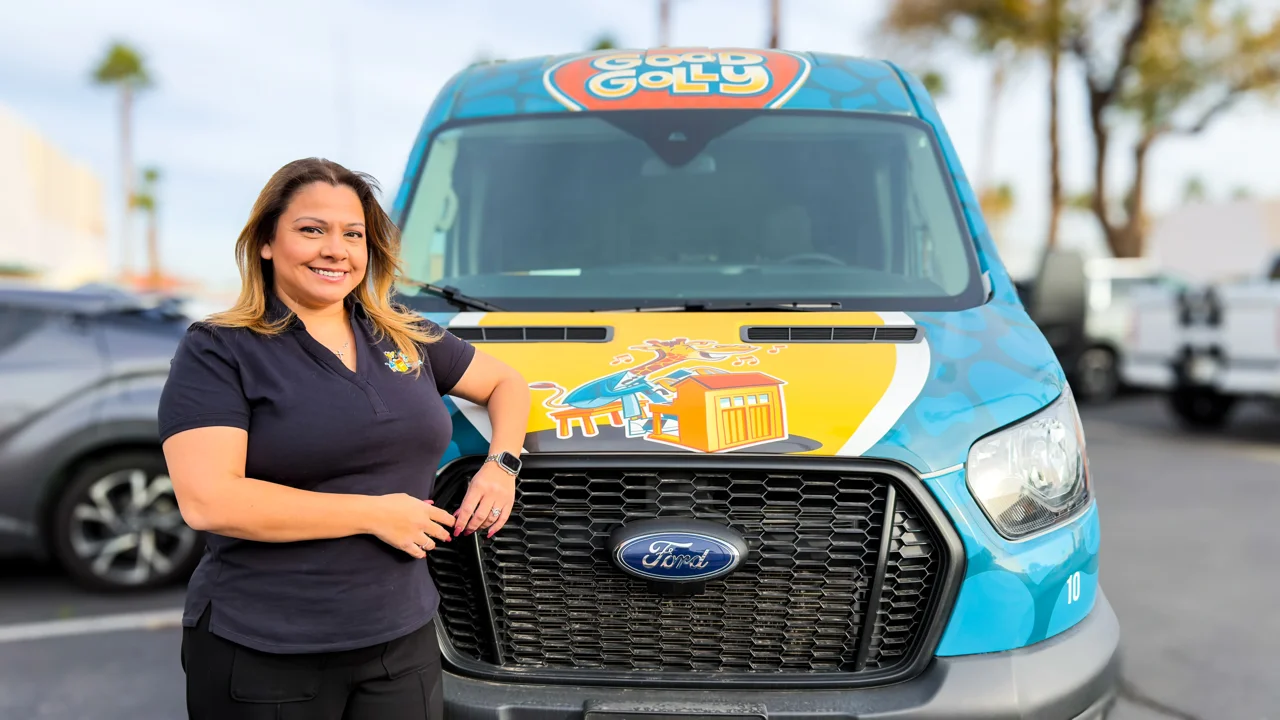
We answer the phone 24/7 for emergency spring, track, panel, and opener repairs, so you can reach a real person any time. Our technicians arrive in clearly marked service vehicles carrying common replacement parts, and most jobs can be completed the same day. If the door appears unstable or unsafe, keep people and pets clear and let our team handle the repair.