Garage Door Inspection Service in Saratoga - Safety & Repair Experts
Ensure your safety with our professional garage door inspection in Saratoga. Contact us today for a comprehensive safety check and immediate repair solutions.
Eliminate Safety Risks With a Comprehensive System Assessment
Are you worried about the safety and functionality of your garage door? A malfunctioning door isn't just an inconvenience; it poses a significant security risk to your Saratoga home and family. Ensure peace of mind with a professional inspection service that addresses all your concerns swiftly and effectively. Contact Good Golly Garage Doors today to schedule your safety check or inquire about financing options.
- Quick and thorough inspections to pinpoint any potential risks or malfunctions.
- Expert service availability to keep your home safe without delay.
- Detailed reporting that complies with local safety standards and regulations.
Insured professionals committed to upholding the highest standards.
Comprehensive Diagnostics and Analysis
When you schedule a garage door inspection, you are purchasing certainty. The goal is to move from guessing what that grinding noise means to knowing exactly which component is failing and how to fix it. A professional assessment covers the entire ecosystem of the door, from the heavy-lifting hardware to the sensitive electronic safety features. This is not a cursory glance; it is a deep dive into the mechanical health of the largest moving object in your home.
The scope of a standard inspection includes a detailed check of the counterbalance system. This involves the torsion or extension springs, which are under immense tension. Technicians examine these for signs of metal fatigue, gaps in the coils, or rust accumulation that could lead to a catastrophic snap. The cables are checked for fraying or kinking, as a snapped cable can cause the door to fall heavily or become crooked in the track.
Beyond the lifting mechanisms, the inspection covers the structural integrity of the door panels and the track alignment. In Saratoga, where soil shifting can occasionally occur, tracks may become slightly misaligned, causing the rollers to bind or wear prematurely. Technicians measure the spacing and verify that the vertical and horizontal tracks are plumb and level. The rollers themselves are inspected for flat spots or bearing failure, which are common culprits behind noisy operation.
The electric opener and safety systems are the final piece of the diagnostic puzzle. The operator motor is tested for gear wear and proper force settings. If the force is set too high, the door might not reverse when it hits an object; if set too low, it may stop mid-cycle. The safety eye sensors are aligned and tested to ensure they instantly reverse the door if the beam is broken. This is a critical safety requirement for all modern residential doors.
How the Inspection Process Works
Understanding the sequence of a professional inspection helps you prepare for the visit and understand the value provided. The process is methodical, designed to isolate variables and test systems both independently and together.
Visual Assessment and Hardware Tightening
The process begins with a visual sweep of the entire system. The technician inspects the door sections for stress cracks, sagging, or water damage. Following the visual check, the technician performs a "tune-up" style tightening. Over time, the vibration of the door loosens the nuts and bolts holding the hinges, brackets, and track in place. Tightening this hardware is a baseline step to ensure that any noise or movement issues aren't simply due to loose parts.
Balance and Manual Operation Test
Next, the technician disengages the electric opener to operate the door manually. This is the only way to test the true balance of the door. A properly balanced door should be easy to lift with one hand and should stay in place when lifted halfway. If the door slams shut or shoots up, the springs are improperly tensioned or the wrong size. This step isolates the mechanical door from the electric opener, ensuring the motor isn't masking a spring failure.
Safety Reverse and Sensor Testing
Once the mechanical balance is verified, the electric opener is re-engaged. The technician tests the photo-eye sensors by obstructing the beam while the door is closing to ensure it reverses. They also perform a "force test" by placing a 2x4 block of wood on the floor. When the door touches the wood, it must reverse automatically. Failure in either of these tests is a safety fail that requires adjustment or repair.
Lubrication and Final Reporting
The final hands-on step involves lubricating all moving parts; rollers, hinges, and springs, with a specialized non-silicone garage door lubricant. This reduces friction and noise. Finally, the technician produces a detailed status report. This document categorizes components as "Good," "Monitor," or "Requires Attention," giving you a clear roadmap for any necessary repairs.
Deciding Between Repair and Replacement
A thorough inspection often leads to a decision point: is it more cost-effective to repair the current system or replace it entirely? This decision is rarely about preference alone; it is a calculation based on age, safety, and long-term cost. Good Golly Garage Doors provides the data you need to make this choice without pressure, focusing on the math behind the investment.
The 50% Rule
A general industry standard is the 50% rule. If the cost of the necessary repairs approaches or exceeds 50% of the cost of a brand-new door and opener system, replacement is usually the smarter financial move. Investing heavily in an old system often leads to a "money pit" scenario where one repaired part puts stress on the remaining old parts, leading to a cascade of subsequent failures.
Safety and Code Compliance
Older garage doors often lack modern safety features. If your door does not have safety eyes or lacks pinch-resistant panels, replacement is recommended for safety reasons regardless of mechanical function. Modern doors are designed to prevent finger injuries and auto-reverse more reliably. If an inspection reveals that your opener is technically obsolete and cannot support modern safety sensors, a complete upgrade is required to meet current safety standards.
Panel Damage and Structural Integrity
Cosmetic damage can sometimes be structural. If a wooden door has begun to rot at the bottom due to moisture wicking, or if a steel door has been dented deeply enough to compromise the tongue-and-groove joint between sections, repair is often impossible. Individual sections can sometimes be replaced, but if the door model is discontinued or the color has faded significantly, a full replacement ensures structural rigidity and curb appeal.
Energy Efficiency and Noise
If the inspection reveals that your current door provides zero insulation (R-value), upgrading to an insulated sandwich door (steel-back-steel) can significantly alter the temperature control of your garage and the rooms above it. Furthermore, if the hardware is worn to the point where the door rattles excessively despite lubrication, switching to nylon rollers and a belt-drive opener during a replacement will drastically reduce noise transfer into the home.
Why Professional Verification is Necessary
Homeowners often wonder if they can simply look at the door themselves. While visual checks are encouraged, a professional inspection goes beyond surface-level observation. The massive tension held in garage door springs makes DIY diagnosis dangerous for the untrained. A torsion spring holds enough potential energy to cause severe injury or death if tampered with incorrectly. Professionals have the tools and training to test these components safely.
Furthermore, a documented professional inspection is valuable for real estate transactions. If you are planning to sell your home, a recent service record and safety certification can remove a potential stumbling block during the buyer’s home inspection phase. It demonstrates proactive maintenance.
Insurance carriers also view professional maintenance favorably. In the event of a claim involving the garage (such as a break-in through a faulty door or damage from a door falling on a vehicle), proof of regular professional maintenance can support your claim that the system was not neglected.
Finally, professional diagnostics catch "silent killers" in the system. A motor capacitor on the verge of failure or a bearing that is seizing up often gives no auditory warning until the system simply stops working, potentially trapping your vehicle inside the garage when you need to leave. Scheduled professional reviews prevent these emergency situations.
Secure Your Home Access Point Today
A garage door is the largest moving entrance to your home. Ignoring its maintenance compromises your security, energy efficiency, and family safety. Do not wait for the door to jam halfway open or for a spring to snap in the middle of the night. A comprehensive inspection provides the data you need to maintain a safe, functional environment. Good Golly Garage Doors is ready to assist you with detailed assessments and clear, actionable reporting.
Secure your appointment now for a complete system safety check.

Need Garage Door Help ASAP?
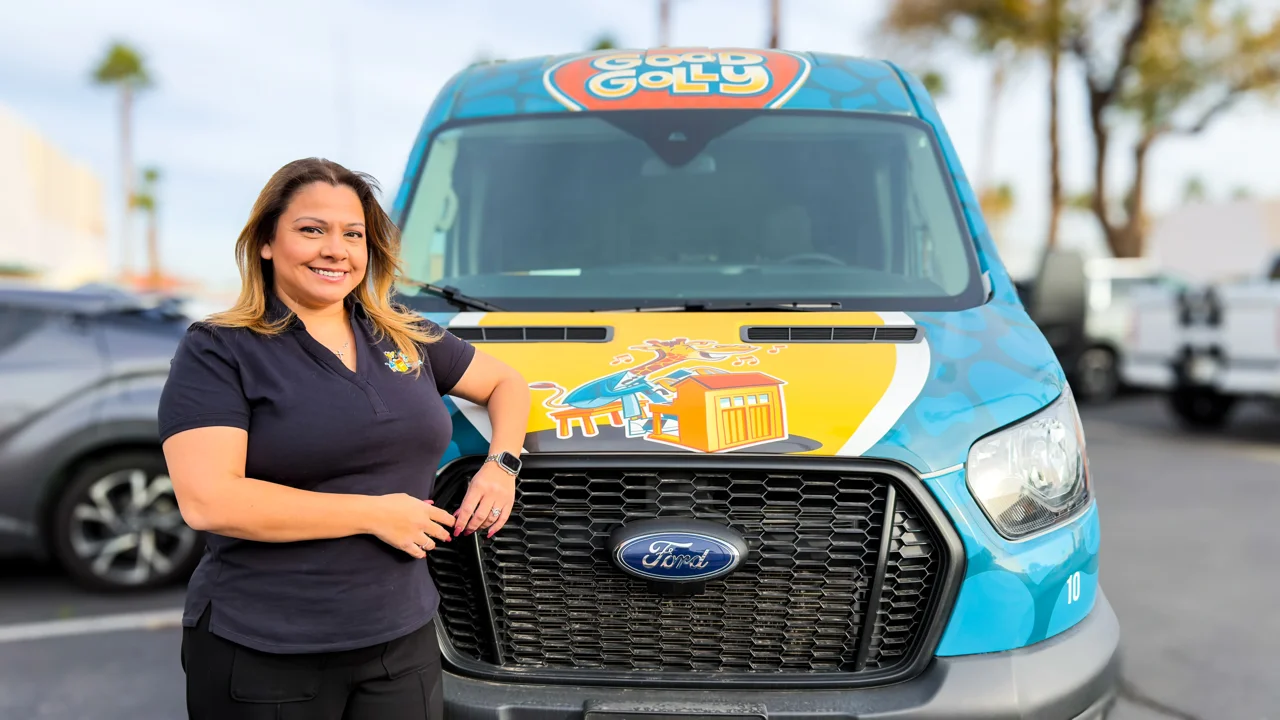
We answer the phone 24/7 for emergency spring, track, panel, and opener repairs, so you can reach a real person any time. Our technicians arrive in clearly marked service vehicles carrying common replacement parts, and most jobs can be completed the same day. If the door appears unstable or unsafe, keep people and pets clear and let our team handle the repair.