Garage Door Inspection & Repair in San Ramon – Comprehensive Services
Experiencing trouble with your garage door in San Ramon? Contact Good Golly Garage Doors for a professional and detailed inspection for safe, efficient…
Is Your Garage Door Acting Unpredictably or Making Excessive Noise?
Is your garage door failing to open or close smoothly, or has it been a while since your last professional safety check? You are not alone, many homeowners in San Ramon experience these mechanical frustrations, often right when they need to leave for work or secure their home for the night. Contact us today to schedule a comprehensive inspection and restore reliable operation to your system.
Ignoring a grinding motor or a shuddering door often leads to costlier repairs down the road, but a proactive assessment can catch small issues before they become emergencies. Good Golly Garage Doors provides a thorough evaluation of your entire system to ensure safety and longevity.
- Receive a comprehensive system inspection within 24 hours of your request.
- Work with expert technicians employing the latest diagnostic tools for precise troubleshooting.
- Access cost-effective maintenance solutions tailored to extend the operational life of your garage door.
Comprehensive Garage Door Safety and Performance Evaluation
When you schedule a professional inspection, you are paying for an expert eye to evaluate the health of a complex mechanical system. A garage door is the largest moving object in your home, relying on high-tension springs and intricate cabling to function safely. Our service goes beyond a quick visual check; we physically test the mechanical integrity of every component to ensure your system meets current safety standards and operates efficiently.
This detailed assessment covers the three main systems of your garage door: the counterbalance system, the door hardware, and the electric opener.
Counterbalance System Analysis
The counterbalance system is responsible for lifting the heavy weight of the door. If this system is out of balance, your opener works harder, leading to premature motor failure.
- Torsion and Extension Springs: We inspect springs for signs of metal fatigue, rust, or elongation. We measure the cycle life to estimate how much time remains before a potential break.
- Cables and Drums: Technicians check lift cables for fraying, kinking, or separation from the cable drums. Even minor fraying is a red flag that requires attention to prevent the door from falling.
- Shaft and Bearings: We examine the torsion tube and end bearings for wear. Worn bearings cause the loud grinding noises often heard in older systems.
Hardware and Structural Integrity
The hardware holds the door together and guides it along the tracks. In San Ramon, heat and usage can loosen these components over time.
- Track Alignment: We use levels and gauges to ensure the vertical and horizontal tracks are perfectly aligned and securely fastened to the jambs and ceiling. Misaligned tracks cause friction and binding.
- Rollers and Hinges: We inspect every roller for flat spots or seized bearings. Hinges are checked for stress cracks or missing fasteners.
- Panel Condition: We evaluate the door sections for dents, cracks, or sagging. Compromised panels can buckle under wind load or during operation.
Opener and Safety Logic
The electric opener serves as the brain of the operation. We verify it is communicating correctly with the door and safety sensors.
- Drive Mechanism: Whether you have a chain, belt, or screw drive, we inspect the carriage and trolley for wear and proper tension.
- Logic Board and Wiring: We check the internal wiring for shorts or loose connections that cause intermittent operation.
- Safety Sensors: We verify the photo-eye sensors are aligned, clean, and reverse the door when the beam is broken.
The Inspection Process: Step-by-Step
Our technicians follow a rigorous protocol to ensure no component is overlooked. This systematic approach allows us to provide an accurate health report of your garage door system.
- Visual Assessment and Sound Check: The technician begins by operating the door to listen for irregularities. Grinding, squeaking, or popping sounds indicate specific problems. We visually scan the door for obvious structural damage or loose hardware.
- Balance Test: We disconnect the electric opener to operate the door manually. A properly balanced door should stay open about halfway up without crashing down or shooting up. If the door feels heavy, the springs likely need adjustment or replacement.
- Hardware Tightening: Over time, the vibration of the door loosens nuts and bolts. We go through the system and tighten brackets, track bolts, and motor mounts to reduce noise and vibration.
- Lubrication Application: We apply professional-grade lithium or silicone lubricant to the springs, rollers, and hinges. This is crucial for smooth operation and rust prevention, especially in dry climates.
- Force and Reverse Limit Testing: We test the opener’s force settings. The door must reverse automatically if it encounters an obstruction, such as a block of wood on the floor. If the door fails this safety test, we adjust the force limits.
- Final Report and Recommendations: After the inspection, we provide a detailed checklist of our findings. We explain which parts are in good condition, which are showing wear, and which require replacement for safety reasons.
Repair vs. Replacement: Making the Right Decision
During an inspection, we often uncover issues that force a homeowner to decide between repairing the existing system or investing in a new garage door. This decision depends on several factors, including the age of the door, the extent of the damage, and long-term cost implications.
When to Choose Repair
- Cosmetic Damage: If a single panel is dented but the rest of the door is structurally sound, replacing just the panel is often a viable option.
- Hardware Failures: Broken springs, snapped cables, or worn rollers are standard maintenance items. If the door panels and track are in good shape, replacing these distinct parts restores full functionality.
- Newer Systems: If your door is less than 10 years old, it likely has plenty of service life remaining. Repairs in this scenario are cost-effective and preserve your initial investment.
When to Choose Replacement
- Catastrophic Structural Damage: If the door has been hit by a vehicle or has significant sagging in the middle, the structural integrity is compromised. Repairing a buckled door is rarely safe or effective.
- Safety Compliance: Older doors that lack pinch-resistant panels or safety sensor brackets may not meet current safety codes. If the cost to retrofit safety features is high, a modern, compliant door is a better choice.
- The 50% Rule: If the cost of the necessary repairs approaches or exceeds 50% of the cost of a new door installation, replacement is the smarter financial move. You get a brand-new system with a fresh warranty rather than patching up an aging system..
- Energy Efficiency: If you have an older, uninsulated sheet metal door, upgrading to an insulated sandwich door can significantly reduce heat transfer, which is particularly beneficial given the local climate patterns.
Local Factors Affecting Garage Door Performance
Operating a garage door in San Ramon presents specific challenges due to the regional environment and state regulations. Understanding these local nuances helps us provide more accurate inspections and maintenance recommendations. Good Golly Garage Doors tailors every inspection to address these specific environmental stressors.
Regulatory Compliance
- Battery Backup Law (SB 969): California law requires all newly installed garage door openers to have a battery backup system. During our inspection, if we notice an older opener without this feature, we will advise on compliance and safety options, although you are not forced to replace a working system until it fails.
- Fire Rating and Safety Codes: For attached garages, the door leading into the house must have self-closing hinges and a proper fire rating. While our primary focus is the overhead door, we check the overall garage safety environment to ensure you are protected.
Why Professional Diagnosis Matters
Attempting to diagnose garage door issues without proper training is dangerous and often leads to misdiagnosis. The springs are under extreme tension and can cause severe injury if mishandled. A professional inspection provides clarity and safety.
- Accurate Troubleshooting: A door that won't close might be due to a misaligned sensor, a stripped gear, or a logic board failure. We pinpoint the root cause so you don't waste money replacing parts that aren't broken.
- Preventative Maintenance: By catching a fraying cable or a cracked hinge early, we prevent the "emergency" scenario where the door refuses to open at 7:00 AM on a Monday.
- Extended Lifespan: Regular professional maintenance, including balancing and lubrication, can add years to the life of your garage door and opener, delaying the capital expense of a full replacement.
- Safety Assurance: Knowing your auto-reverse features and sensors are fully functional provides security for families with children and pets.
Secure Your Garage with a Professional Inspection
A garage door is an essential entry point to your home, and its reliable operation is crucial for your security and convenience. Whether you are hearing strange noises, noticing jerky movements, or simply want to ensure your system is compliant with California safety regulations, a professional assessment provides the answers you need. Do not wait for a complete system failure to address underlying mechanical issues.
Take control of your home’s maintenance today. Contact Good Golly Garage Doors to schedule your comprehensive garage door inspection and ensure your system operates safely and efficiently for years to come.

Need Garage Door Help ASAP?
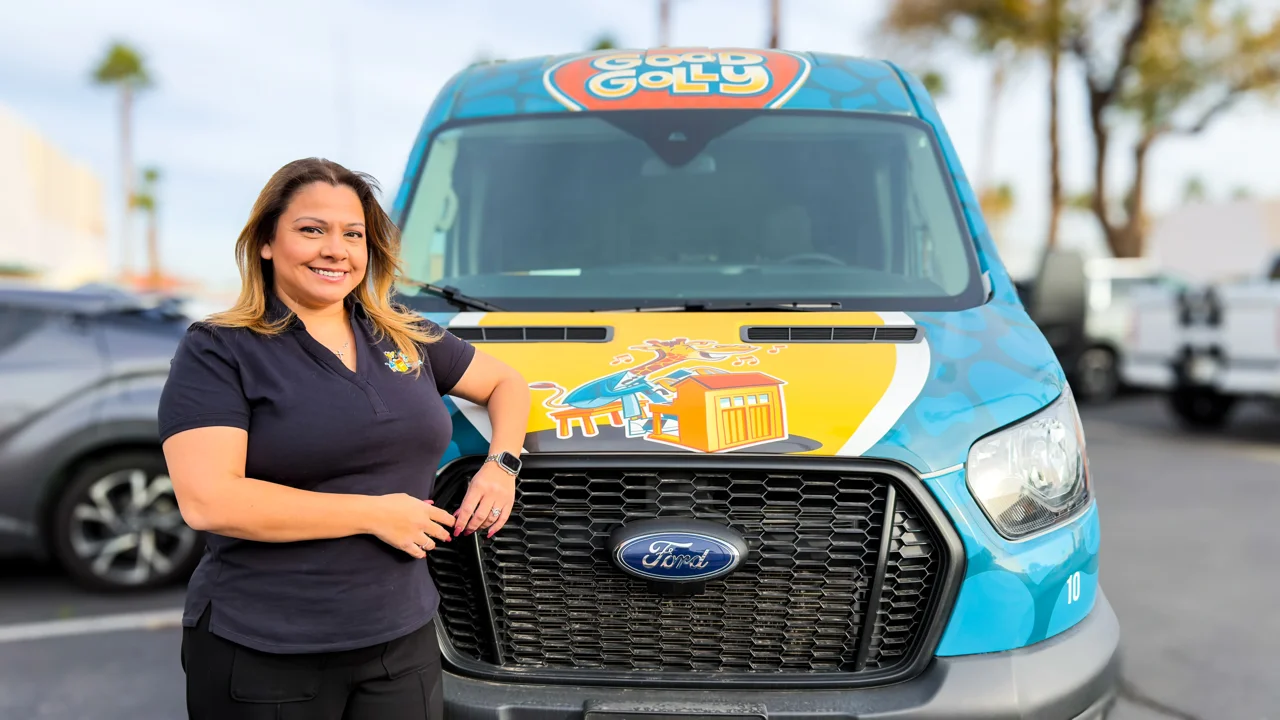
We answer the phone 24/7 for emergency spring, track, panel, and opener repairs, so you can reach a real person any time. Our technicians arrive in clearly marked service vehicles carrying common replacement parts, and most jobs can be completed the same day. If the door appears unstable or unsafe, keep people and pets clear and let our team handle the repair.