Emergency Garage Door Repair Menlo Park - Same-Day Service
Experience prompt and professional emergency garage door repairs in Menlo Park. Secure your home today with our certified technicians.
Immediate Resolution for Broken, Stuck, or Dangerous Garage Doors
A garage door that refuses to open, slams shut unexpectedly, or hangs unevenly creates a security risk and disrupts your day. You may need prompt attention to secure your property and restore access to your vehicle without navigating complex scheduling hurdles. Contact us or request service online to arrange assistance for your Menlo Park home.
Good Golly Garage Doors specializes in resolving critical failures where and when they happen. Whether a torsion spring has snapped with a loud bang or the opener motor has burned out leaving the door immovable, the goal is to stabilize the system instantly.
- Receive professional repairs to restore function and security.
- Access experienced technicians, with after-hours phone answering available, who are equipped to handle major hardware and electronic failures.
- Benefit from service that covers everything from snapped cables and springs to malfunctioning openers.
- Rest assured that all work is licensed, insured, and supported by applicable manufacturer warranties, which typically apply for about one year, and workmanship assurances.
What to Expect From Emergency Garage Door Service Today
When you encounter a mechanical failure, the priority is mitigation and restoration. Emergency service is distinct from routine maintenance; it is focused on addressing acute issues that prevent the door from operating safely. Residents in Menlo Park often face specific issues related to wear and tear or accidental damage that renders the heavy door inoperable.
A professional response involves a service vehicle arriving at your location with the intent of resolving the problem efficiently, when possible, in one visit. The objective is to minimize downtime. Upon arrival, the technician assesses the weight of the door, the condition of the counterbalance system, and the integrity of the tracks. This is not a consultation. It is a repair visit.
The scope of emergency service typically includes:
- Spring Replacement: Torsion and extension springs bear the massive weight of the door. When they break, the door becomes dead weight. Replacement involves calculating the precise cycle life and weight rating required for your specific door model to ensure safe lifting.
- Cable and Drum Repair: If a cable snaps or comes loose from the drum, the door will tilt dangerously or jam in the tracks. Emergency service involves re-spooling or replacing high-strength aircraft cables and resetting the drum tension.
- Track Realignment: If a vehicle bumps the track or the door creates friction, the rollers can pop out, causing the door to hang precariously. Technicians force the track back into alignment and secure it to the framing studs to prevent collapse.
- Opener Gear and Logic Board Replacement: Electronic failures can render the automatic system useless. Technicians carry replacement logic boards, capacitors, and internal gears for major brands to restore automation immediately.
- Sensor Alignment and Wiring: If the safety eyes are misaligned or the wiring is cut, the door will refuse to close. This is a common lockout scenario that is quickly rectified through rewiring and alignment.
The Process: How We Restore Your Garage Door System
Understanding the workflow of an emergency repair helps homeowners prepare for the technician's arrival. The process is designed to be efficient, transparent, and focused on safety standards. Unlike general contractors who may need to order parts, a dedicated garage door service operates with a mobile warehouse model.
- Assessment and Safety Lockdown: The first step is securing the area. A broken garage door is essentially a suspended wall that can fall if mishandled. The technician clamps the door to the track or uses blocking to ensure it does not move unexpectedly during the diagnostic phase. This protects both the technician and your property.
- System Diagnostics: The technician inspects the entire counterbalance system. This includes winding bars to test spring tension, checking rollers for flat spots, and inspecting the torque tube for warping. For electronic openers, a multimeter is used to check voltage at the outlet, the battery backup status, and the signal strength from the wall console to the motor.
- Immediate Repair Execution: Once the root cause is identified, such as a fractured spring or a stripped trolley, the repair begins. Worn parts are removed and replaced with appropriate components. In the case of Good Golly Garage Doors, quality steel parts are used to support reliable operation.
- Balance and Limit Setting: Installing the part is only half the job. The door must be balanced so that it requires minimal force to lift manually. This ensures the opener does not overwork. The technician sets the "up" and "down" travel limits to ensure the door seals tightly against the floor without crushing the weather stripping, and opens fully to clear the header.
- Safety Reverse Testing: The final step is regulatory compliance. The technician places an object in the door's path to ensure the auto-reverse mechanism functions correctly. This is a critical safety check required for all automated garage doors to prevent injury and property damage.
Critical Decision Guide: Repair vs. Replacement
In an emergency situation, the immediate instinct is often just to get the door moving again. However, there are scenarios where investing in a repair is throwing money at a system that has reached the end of its mechanical life. Making the right decision depends on the age of the system, the extent of the damage, and the long-term reliability you require for your home in Menlo Park.
When to Choose Repair:
- Isolated Spring Failure: If the door is relatively new (under 10 years) and a spring breaks, replacing the springs is a standard maintenance event. The rest of the system is likely healthy.
- Sensor or Wiring Issues: Electrical glitches, bumped sensors, or chewed wires are localized problems. They do not indicate that the mechanical structure of the door is failing.
- Single Panel Damage: If a car accidentally backs into the door at low speed, denting one section, replacing just that panel is often possible and cost-effective, provided the manufacturer still produces that model.
- Opener Gear Stripping: If the motor hums but the chain does not move, it may be a worn internal gear. This is a serviceable part that can cost less than replacing the opener.
When to Choose Replacement:
- Catastrophic Structural Damage: If the impact from a vehicle has bent the tracks, warped the vertical stiles, and cracked multiple panels, the structural integrity of the door is compromised. Repairing this often leaves the door prone to jamming and air leaks.
- Recurring Motor Failure: If the opener has required multiple repairs in recent years or is near the end of its typical service life, replacement can provide improved reliability and updated safety features.
- Safety Standard Obsolescence: Older garage doors or openers that do not meet current safety standards, including required photo-eye sensors, can present safety concerns. In these situations, upgrading the garage door system may be the more appropriate option.
- Rot and Rust: In wooden doors, extensive rot at the bottom section, or in steel doors, deep rust that has eaten through the skin, indicates material failure. Patching these areas is cosmetic and temporary; replacement is the only permanent solution.
Technical Expertise and Hardware Quality
The difference between a temporary patch and a lasting solution lies in the quality of the hardware used and the precision of the installation. High-cycle parts are designed to withstand the daily rigor of opening and closing, which the average household does over 1,500 times per year.
- High-Cycle Springs: Standard builder-grade springs are often rated for 10,000 cycles. Upgrading to oil-tempered, high-cycle springs can double or triple the lifespan of the counterbalance system, reducing the frequency of emergency calls.
- Nylon Rollers: Replacing steel rollers with nylon rollers featuring sealed ball bearings significantly reduces operation noise and vibration. This puts less stress on the opener and tracks.
- Reinforced Struts: For double-wide doors, adding proper bracing struts prevents the door from sagging in the center when in the open position. This prevents "smiling" panels that eventually crack under their own weight.
- Torque Tube Assembly: Ensuring the tube that holds the springs is perfectly level and straight prevents uneven winding, which is a leading cause of cable derailment.
Garage door repair involves handling components under extreme tension. A standard torsion spring stores enough energy to lift a 400-pound door. Attempting DIY repairs on these components poses severe safety risks, including lacerations and impact injuries. Professional technicians utilize winding bars and containment systems to manage this energy safely, ensuring the repair is completed without risk to the homeowner.
Restore Your Home’s Security Today
A malfunction in your garage door system compromises the primary entry point to your home. Delaying repair can lead to the door falling completely, causing significant property damage or personal injury. You need a solution that addresses the root cause of the failure, complies with all local safety codes, and ensures reliable operation for years to come.
Secure your home and restore convenient access by scheduling service. Avoid letting a malfunctioning garage door disrupt your routine or affect your property.
Take action now. Contact us to schedule your emergency repair and ensure your system is fixed correctly the first time.

Need Garage Door Help ASAP?
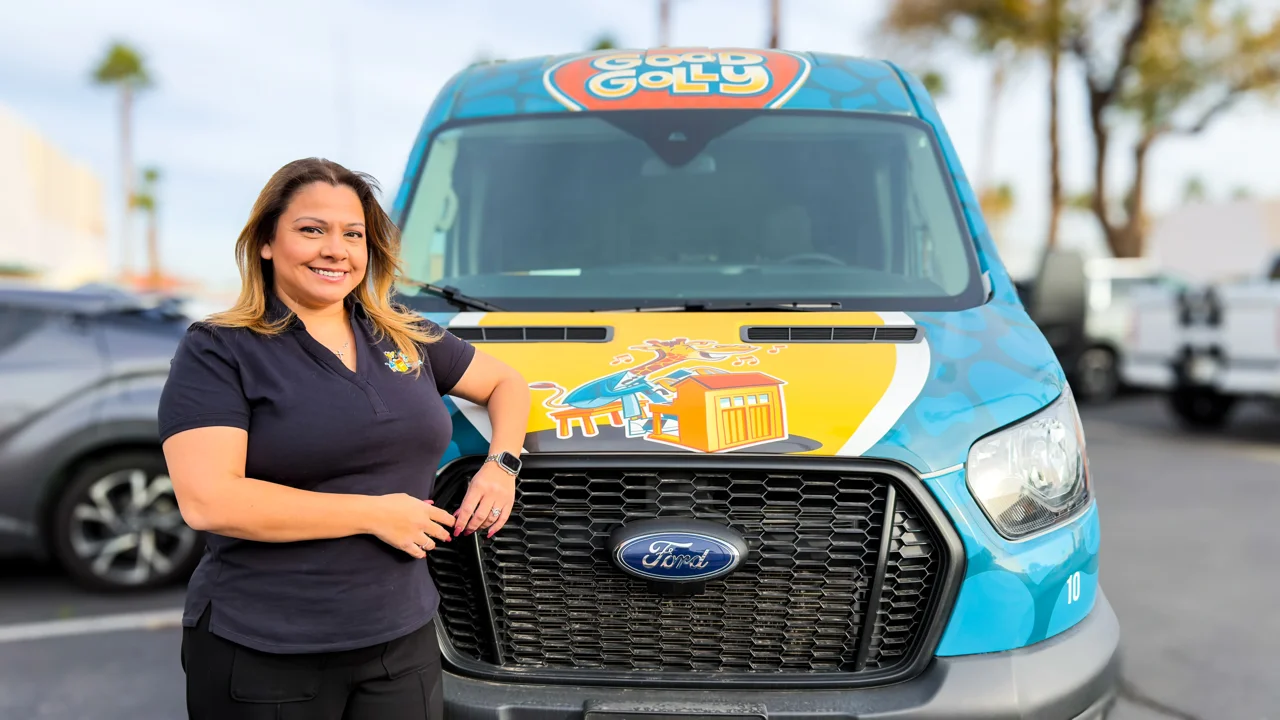
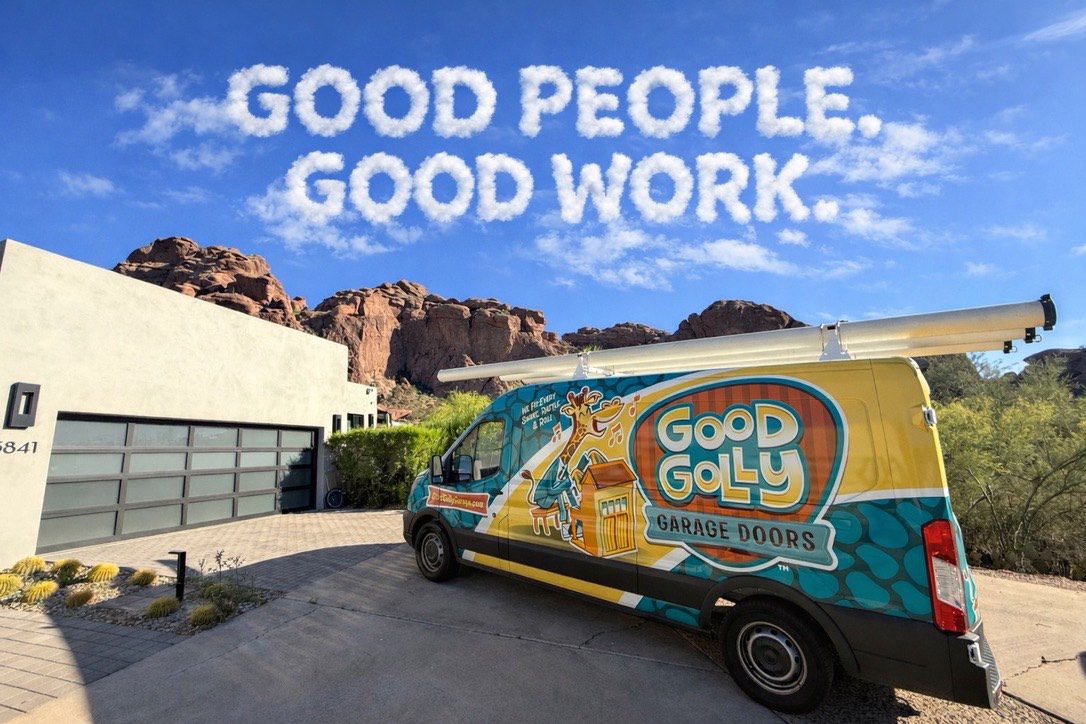
We answer the phone 24/7 for emergency spring, track, panel, and opener repairs, so you can reach a real person any time. Our technicians arrive in clearly marked service vehicles carrying common replacement parts, and most jobs can be completed the same day. If the door appears unstable or unsafe, keep people and pets clear and let our team handle the repair.