
Emergency Garage Door Repair Lafayette, CA - Fast Response
Facing a garage door emergency in Lafayette, CA? Contact Good Golly Garage Doors for rapid, professional repairs and secure your property today.
Garage Door Emergency Help Available
Stuck with a garage door that won't open or close, leaving your vehicle trapped or your home exposed? Good Golly Garage Doors offers rapid, reliable emergency repairs round the clock to secure your property. For urgent assistance, contact us now to schedule a technician for dispatch.
When a garage door fails, it rarely happens at a convenient time. Whether it is a snapped spring in the middle of the night or a door that has come off its tracks just before your morning commute in Lafayette, CA, you need a solution that resolves the safety risk instantly. We prioritize emergency calls to ensure your day gets back on track without unnecessary delays or security vulnerabilities.
- Get same-day repairs; most calls are serviced within just a few hours of the initial contact.
- Professionally trained technicians arrive ready to tackle any emergency, from broken cables to malfunctioning openers.
- Fully licensed service with a satisfaction guarantee on all repairs and parts.
What to Expect From Emergency Service Today
When you request emergency service, the primary goal is restoring functionality and security. This is not a consultation for a future project; it is a rapid response operation designed to fix critical failures. You can expect a truck to arrive at your location, equipped with high-cycle torsion springs, cables, rollers, and hinges suitable for the most common door types found in the area.
The scope of emergency service covers any issue that prevents the door from operating safely. This includes doors that are jammed halfway open, doors that have slammed shut and will not lift, or openers that are unresponsive due to electrical or mechanical faults. The technician’s objective is to diagnose the root cause within minutes and implement a fix that allows you to use the door again.
Common Emergency Scenarios We Resolve
- Broken Torsion Springs: This is the most common reason a door will not open. The spring supports the weight of the door. When it snaps, the door becomes dead weight, often exceeding 300 pounds, that the opener cannot lift.
- Cables Off Drums: If a door hits an obstruction or closes unevenly, cables can slip off the drum. This leaves the door hanging crookedly and under immense tension, creating a dangerous situation that requires professional tools to reset.
- Impact Damage: Accidental impact from a vehicle can bend panels or knock the door out of the track. If the damage is structural, we stabilize the door to close it securely until panel replacement can be arranged.
- Sensor Malfunctions: If the safety sensors are misaligned or wiring is damaged, the door will refuse to close. We troubleshoot the electrical path to bypass the safety lockout and restore operation.
Our Emergency Repair Process
Restoring a broken garage door involves a systematic approach to ensure safety and longevity. We do not simply hammer a track back into place; we analyze the geometry of the door system to prevent the issue from recurring next week.
- Site Assessment and Safety Check: The technician begins by securing the area. If a door is hanging precariously, the first step is stabilizing it to prevent collapse. We inspect the entire counterbalance system, looking for stress fractures in hinges, worn bearings, or frayed cables that may have contributed to the failure.
- Diagnostic Explanation: Once the problem is identified, you receive a direct explanation of what failed and why. You approve the work before any tools are applied to the door.
- System Reset and Repair: The technician performs the repair using heavy-duty components. For spring replacements, we use high-cycle springs rated for longer life. For off-track doors, we carefully manipulate the rollers back into the guide rails while managing the spring tension.
- Tension Calibration: After the physical repair, the door must be balanced. A properly balanced door should lift manually with one hand and stay in place halfway up. We adjust the spring tension to achieve this "neutral buoyancy," which relieves strain on your automatic opener.
- Final Operation Cycle: We run the door through multiple open and close cycles to verify the travel limits and force settings. This ensures the opener knows exactly how far to push the door down to create a seal without buckling the top panel.
Deciding Between Repair and Full Replacement
In an emergency situation, the instinct is to repair the door to get it working. However, there are specific thresholds where a repair is merely a temporary patch on a failing system. Making the right decision now can save you money on repeated service calls in the future.
When to Repair
- Isolated Component Failure: If the door is generally in good condition (less than 10 years old) and a single part, like a spring or cable, has failed, repair is the logical choice. The rest of the system still has a viable service life.
- Cosmetic Damage Only: If a panel is dented but the door still travels smoothly in the track and seals properly, a repair or single panel swap is sufficient.
- Recent Installation: If the door is relatively new but has suffered an acute mechanical failure due to an obstruction, a repair will restore it to factory standards.
When to Replace
- Catastrophic Structural Damage: If a vehicle has hit the door and bent the track, damaged multiple panels, and twisted the torsion tube, the cost of labor and parts to rebuild the system often exceeds the cost of a brand-new system.
- The 50% Rule: If the cost of the emergency repair approaches 50% of the price of a new door installation, replacement is the better financial investment. You get better insulation and modern safety features.
- Recurring Failures: If you have paid for emergency repairs multiple times in the last two years for different issues (e.g., rollers one month, hinges the next, opener the following), the system is fatigued. Continuing to patch it is throwing good money after bad.
- Safety Standard Obsolescence: Older doors lacking safety reversal systems or containment cables on extension springs pose significant liability and injury risks. Replacement brings the home up to current safety codes.
Why Professional Diagnostics Matter
Attempting to fix a garage door yourself during an emergency is not just difficult; it is physically dangerous. The garage door is likely the largest moving object in your home, and the energy stored in the torsion springs is sufficient to cause severe injury or death if mishandled.
- Tension Management: The springs are under immense torque. Without winding bars and the knowledge of how to leverage them, a slipping tool can result in broken fingers or facial injuries. Professionals use specific tools to control this release of energy safely.
- Cable Dangers: Bottom brackets are connected to the cables that lift the door. These brackets are under maximum tension when the door is closed. Unknowing homeowners often attempt to loosen these brackets to fix a roller, causing the cable to whip loose violently.
- Opener Logic: Modern openers are complex computerized devices. Misdiagnosing a logic board failure as a simple remote battery issue leads to wasted time. Professional diagnostic tools read the error codes directly from the system to pinpoint the electrical fault.
Securing Your Home Again
A broken garage door compromises the security of your home and the functionality of your daily life. Leaving a door stuck open invites theft and weather damage, while a door stuck closed can pose a safety hazard during an evacuation. Speed and accuracy are the defining characteristics of effective emergency service.
We handle the heavy lifting, the tension adjustment, and the electrical troubleshooting so you do not have to. By choosing a professional response, you ensure the repair is compliant with local safety standards and built to withstand the specific climate conditions of the region.
Do not let a mechanical failure disrupt your schedule or threaten your safety. Good Golly Garage Doors is ready to mobilize to restore your access and peace of mind.
Call our dispatch team now to have a technician headed your way.

Need Garage Door Help ASAP?
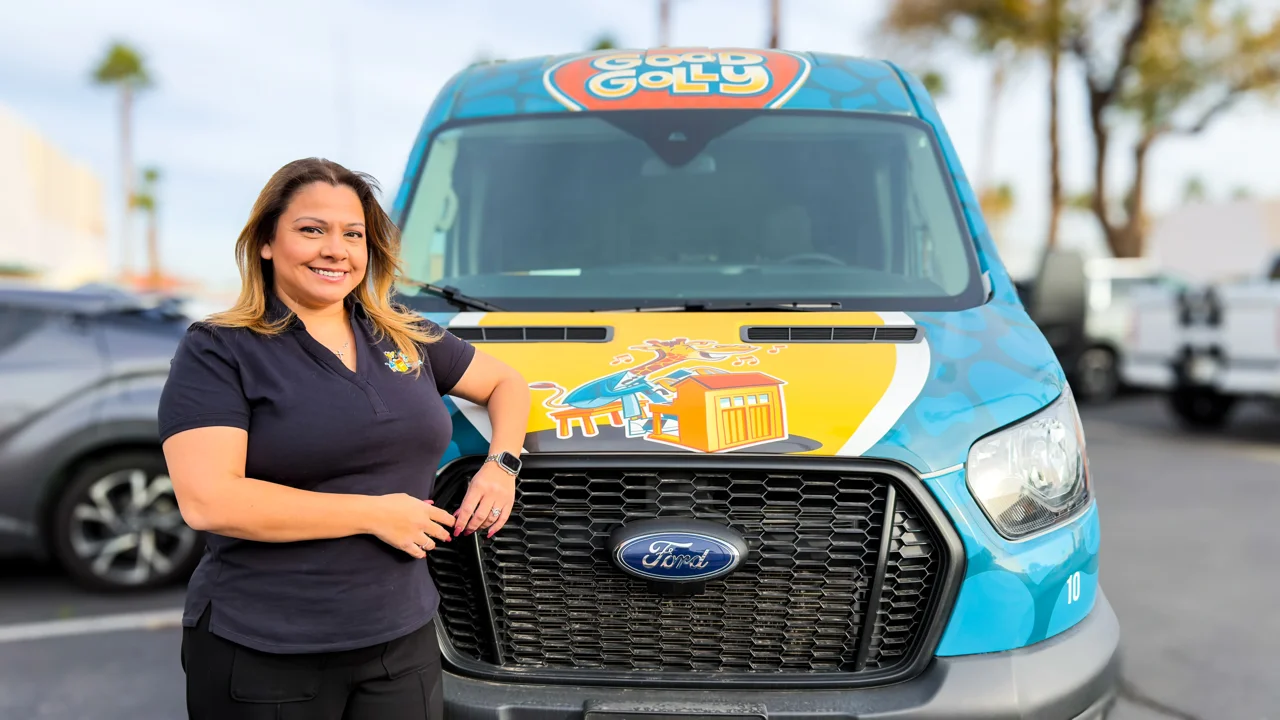
We answer the phone 24/7 for emergency spring, track, panel, and opener repairs, so you can reach a real person any time. Our technicians arrive in clearly marked service vehicles carrying common replacement parts, and most jobs can be completed the same day. If the door appears unstable or unsafe, keep people and pets clear and let our team handle the repair.