
Keypad Installation & Repair Services in Lodi - Secure Your Home
Struggling with a malfunctioning garage door keypad in Lodi? Our expert team provides fast, reliable keypad installation and repair services.
Locked Out or Dealing with an Unresponsive Keypad?
Is your garage door keypad unresponsive or malfunctioning, leaving you unable to access your home? Contact us today for assistance or to inquire about our financing options. You are not alone, many Lodi residents face this frustrating issue, especially during seasonal temperature shifts that can wreak havoc on sensitive electronics. When you need secure, reliable entry to your home, you need a solution that works the first time, every time.
- Prompt, reliable repairs and installations that have you back in action the same day you call.
- Expert installation ensuring a long-lasting, hassle-free keypad operation resistant to local weather.
- Comprehensive service from insured professionals who understand rolling code security.
Access Restoration and Keypad Solutions
When a keypad fails, it disrupts your daily routine and compromises the security of your home. The goal of a service visit is not just to screw a device onto the wall, but to integrate a secure entry point into your existing garage door ecosystem. Residents in Lodi need a system that responds instantly, regardless of the time of day or the ambient temperature.
Upon arrival, a technician assesses the current hardware to determine if the issue stems from a depleted power source, a desynchronized motor system, or internal corrosion. If a new installation is required, the focus shifts to compatibility. Not all keypads work with all openers. Older systems may require specific dip-switch configurations, while modern openers utilize Security+ 2.0 or rolling code technology.
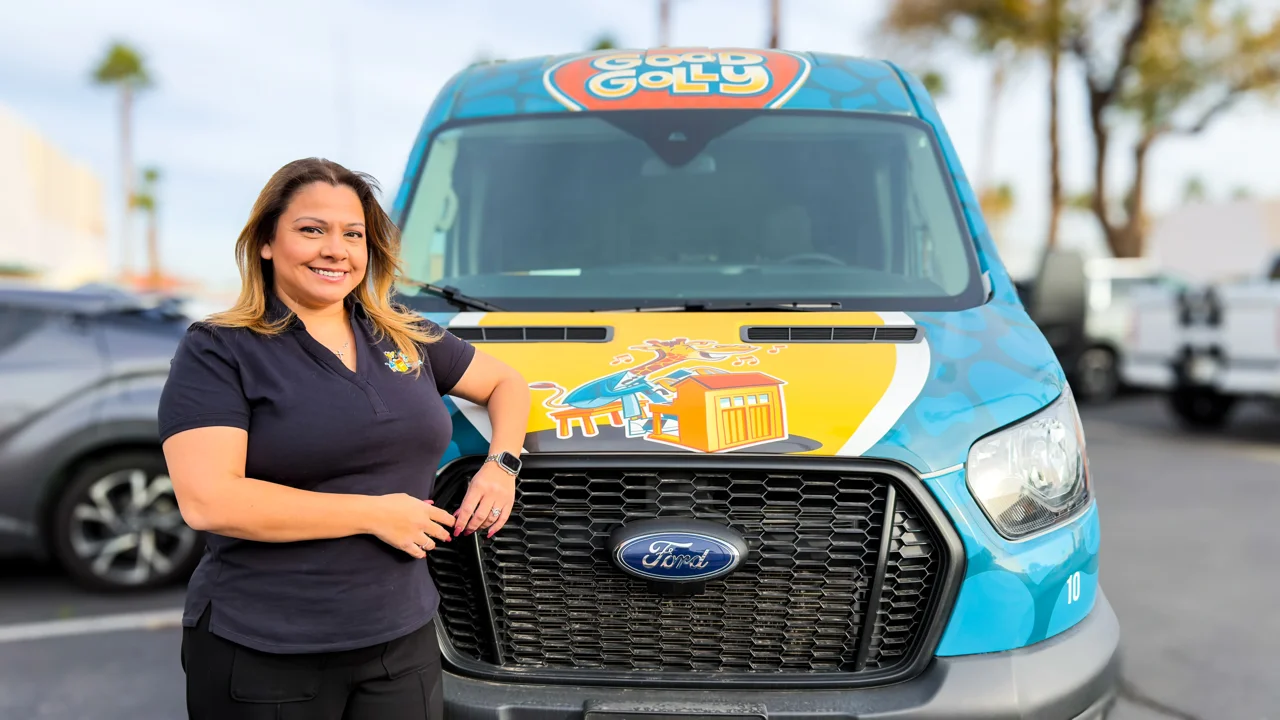
The scope of service includes the removal of the old, non-functioning system, surface preparation to ensure a weather-tight seal, and the programming of a new, high-security keypad. Technicians carry a variety of professional-grade systems, including universal models and manufacturer-specific hardware for brands like LiftMaster, Chamberlain, and Genie. This ensures that the correct frequency is matched to the receiver logic board, preventing future interference issues. Good Golly Garage Doors prioritizes specific programming protocols that prevent code grabbing, ensuring that your garage remains accessible only to you and your family.
The Installation Process: What to Expect
Professional installation goes beyond basic mounting. It involves a systematic approach to ensure the signal strength is strong and the device is protected from the elements.
- Signal and Frequency Analysis: The process begins with identifying the "Learn" button color or dip switch pattern on your main garage door opener motor. This dictates the frequency (measured in MHz) required for the keypad. Using an incorrect frequency results in spotty performance where the door only opens occasionally.
- Site Selection and Surface Prep: The keypad must be mounted at a height that is accessible to adults but out of reach for small children, typically five feet from the ground. The mounting surface is cleaned and inspected. If the previous system left holes that are too wide or damaged, the technician uses anchors or selects a slightly different position to ensure the new system remains firmly attached to the jamb.
- Wiring and Power Configuration: For wireless systems, high-quality, weather-resistant batteries are installed. For hardwired systems, which are less common in newer builds but still present in Lodi, the low-voltage wiring is inspected for shorts or breaks. If the wiring is compromised, it is replaced to ensure a consistent power supply.
- Programming and Synchronization: The technician puts the opener into "Learn" mode and synchronizes the new keypad. This step often requires precise timing. Once paired, a unique four-digit PIN is set based on your preference.
- Testing and Range Verification: The final step involves testing the keypad from various angles and distances. The technician ensures the backlit features work for night visibility and that the "one-touch close" feature (if available) is active. The door is cycled multiple times to confirm reliability.
Repair vs. Replacement: Making the Right Call
Homeowners often wonder if they can simply repair an existing keypad or if a total replacement is necessary. The decision usually comes down to the age of the system and the nature of the failure.
When to Repair
- Battery Issues: If the keypad lights up dimly or requires multiple presses to work, a simple battery change often resolves the issue.
- Desynchronization: Occasionally, power surges or long-term power outages can cause the motor head to "forget" the keypad. Reprogramming the system takes a few minutes and restores function.
- Sticky Buttons: If debris has accumulated behind the keys, a professional cleaning of the contact points can restore tactile feedback and connection.
When to Replace
- Physical Damage: Cracks in the plastic casing allow moisture to enter the circuit board. Once water damages the printed circuit board (PCB), the system becomes unreliable and must be replaced.
- Sun Damage: Ultraviolet rays can make the plastic buttons brittle and the casing yellow. If the buttons crack or fall off, the internal electronics are exposed.
- Obsolete Security Standards: If your current keypad uses fixed-code technology (common in systems older than 15 years), it is vulnerable to code grabbers. Replacing it with a rolling-code system significantly upgrades your home security.
- Corroded Contacts: Leaking batteries or moisture ingress can corrode the battery terminals. If the metal contacts are rusted or green, the system cannot maintain a steady power flow and requires replacement.
Understanding Security Protocols and Codes
Modern garage door access is heavily reliant on encryption. The installation involves understanding the difference between fixed codes and rolling codes.
- Fixed Code Systems: Older systems used a static code sent from the keypad to the opener. If someone intercepted this signal, they could replay it to open the door. These systems are largely being phased out.
- Rolling Code Technology: Most modern installations utilize rolling codes (such as Security+ 2.0). Every time the keypad is used, the code changes to one of over 100 billion possibilities. The opener and the keypad roll the code forward in unison. This prevents "replay attacks" where a thief records your signal.
- Tri-Band Frequency: To combat interference from other devices like LED lights or nearby radio towers, modern keypads often operate on multiple frequencies (310, 315, and 390 MHz) simultaneously. If one frequency is blocked, the others ensure the signal still reaches the opener.
Why Professional Installation is Essential
While a keypad may seem like a small accessory, it is a primary entry point to your home. Improper installation can lead to lockouts or security vulnerabilities.
- Compatibility Assurance: Buying a universal keypad off the shelf does not guarantee it will work with your specific motor year and model. Professionals carry a range of systems and know exactly which protocols match your logic board.
- Correct Wiring and Sealant: Ensuring the system is watertight prevents premature failure. Professionals use the correct mounting hardware that won't rust or degrade, ensuring the system stays on the wall for years.
- Integrated Security Checks: During the installation, the technician checks the entire opener system. This includes verifying that the wall console and remotes are also functioning correctly and have not been compromised.
Ensuring Continuous Access to Your Garage
A functioning keypad provides convenience and safety, allowing family members access without keys and providing a backup entry method during any issues. Whether you need a simple battery replacement, a reprogramming service, or a complete upgrade to a smart, weather-resistant system, professional service ensures the job is done correctly. Don't let a faulty keypad leave you locked out or compromise your home's security.
Secure your home and restore convenient access today. Call us now to schedule your keypad installation or repair.

Need Garage Door Help ASAP?
We answer the phone 24/7 for emergency spring, track, panel, and opener repairs, so you can reach a real person any time. Our technicians arrive in clearly marked service vehicles carrying common replacement parts, and most jobs can be completed the same day. If the door appears unstable or unsafe, keep people and pets clear and let our team handle the repair.