Garage Door Inspection in Wrightwood, CA
Garage Door Not Working? Call for Quick, Professional Repair Today!

GARAGE DOOR MAINTENANCE
*For residential properties. Price is per garage door. May not be combined with any other offers. Coupon must be present at the time of service.
Eliminate Performance Uncertainty With A Comprehensive Assessment
Ignoring the subtle warning signs of a failing garage door system can quickly escalate from a minor inconvenience into a major security risk or a dangerous mechanical failure. If your door is shuddering, reversing unexpectedly, or generating unusual noise, you need an expert eye to identify the root cause before the system becomes inoperable. schedule a safety inspection and performance evaluation. Good Golly Garage Doors provides rigorous, point-by-point inspections in Wrightwood to ensure your system operates safely and meets all California compliance standards.
- Prompt, professional service availability to diagnose mechanical concerns.
- Detailed multi-point inspections and transparent written estimates with zero hidden fees.
- High-quality repair recommendations that prioritize long-term system reliability and safety.
All inspection and repair services are fully licensed and compliant with California safety regulations, with flexible financing options available for major system overhauls.
The Scope of A Professional Garage Door Inspection
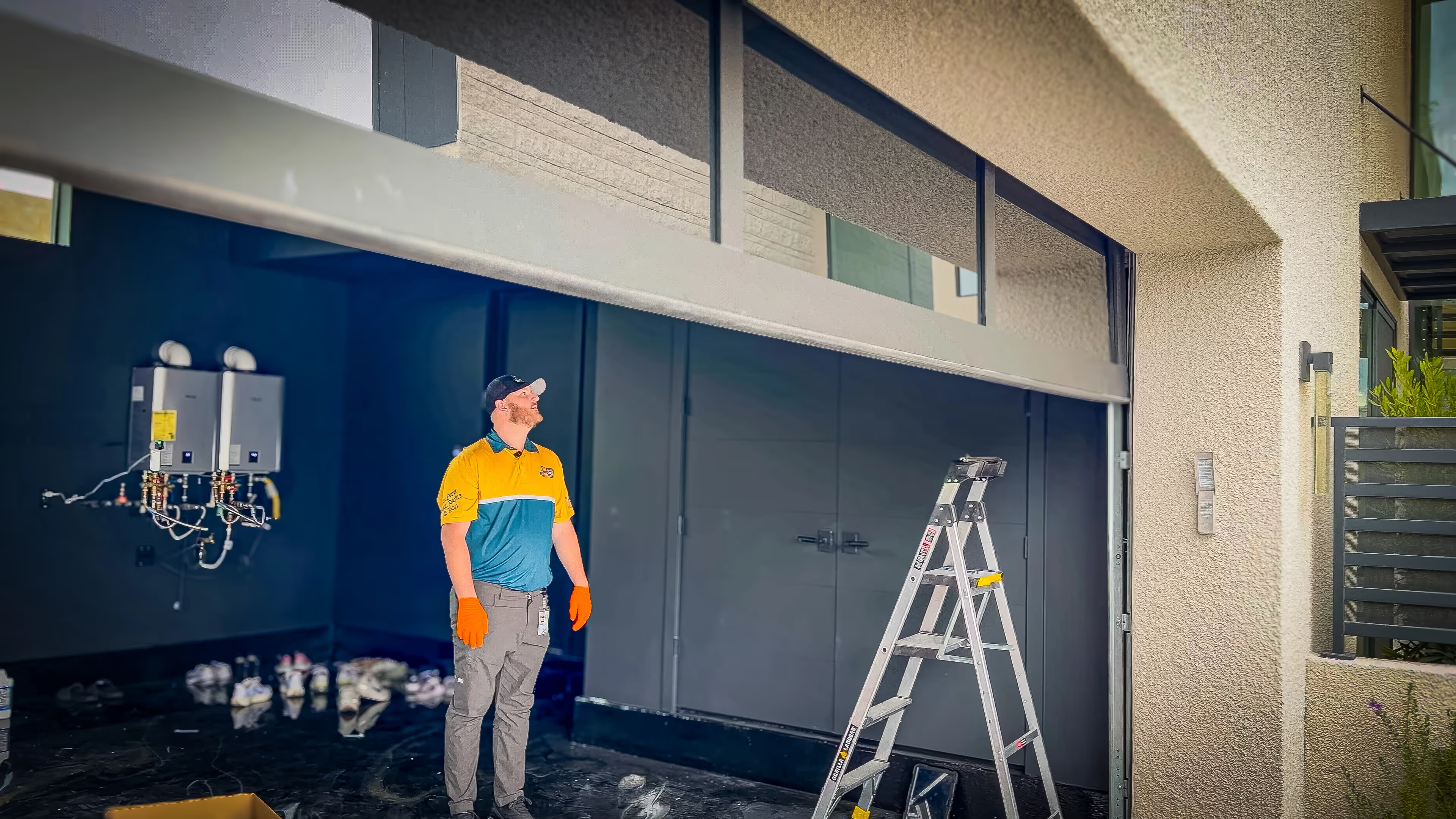
A garage door is likely the largest moving object in your home, held under extreme tension and relying on a complex interplay of electrical and mechanical components. A professional inspection is not merely a visual glance; it is a forensic evaluation of the system’s health. Homeowners often mistake a functioning door for a safe door, but component fatigue often happens silently until the moment of failure.
When you commission a professional assessment, the focus is on three core pillars: structural integrity, mechanical balance, and safety compliance. The objective is to provide you with a clear roadmap of the door’s current condition and its expected lifespan. This allows you to make informed decisions about maintenance rather than reacting to emergency breakdowns that leave your vehicle trapped or your home exposed.
The assessment covers the entire counterbalance system, which bears the weight of the door. This includes the torsion or extension springs, the drums, and the lift cables. In many cases, a door that appears to be working fine is actually forcing the opener to lift dead weight due to relaxed springs. This significantly shortens the life of the electric opener. A proper inspection identifies this imbalance, saving you from premature motor replacement.
Critical Components Evaluated During Your Appointment
A thorough inspection leaves no bolt unturned. To understand the value of this service, it helps to understand the specific components that are tested and why they matter to the operation of your home's entry point.
Torsion and Extension Springs
The inspector measures the cycle life and tension of your springs. The inspection checks for gaps in the coils, rust accumulation, and loss of tension that puts strain on the opener.
Lift Cables and Drums
Cables are checked for fraying, kinking, or rust. Even a single frayed strand reduces the cable’s weight-bearing capacity significantly. The drums are inspected for cracks or chips that could cause the cable to jump off the track, resulting in the door slamming shut.
Rollers and Hinges
Nylon and steel rollers are examined for bearing wear. Wobbly rollers cause vibration that shakes other parts loose. Hinges are checked for stress fractures, particularly in the center of the door where the weight load is highest when the door is in the horizontal position.
Track Alignment and Securing Hardware
The vertical and horizontal tracks must be perfectly parallel. Misalignment creates friction, which strains the opener and causes loud operation. The inspector also checks the lag screws securing the track to the wall framing to ensure they haven't pulled loose due to vibration.
Opener Logic and Gears
The electric opener is tested for internal gear wear and logic board responsiveness. The inspector listens for the grinding sound of a stripped gear and checks the drive belt or chain for proper slack.
Step-by-Step Assessment Protocol
The process of inspecting a garage door system follows a logical sequence designed to isolate variables and test safety mechanisms under controlled conditions. This ensures that the report you receive is accurate and actionable.
Visual Static Inspection
The technician begins with the door in the closed position to examine the exterior and interior panels for damage, rust, or warping. All mounting hardware is visually checked for tightness. This step identifies clear structural issues that might prevent the door from operating smoothly.
Balance Test
This is arguably the most critical step. The technician disengages the automatic opener to operate the door manually. The door is lifted to the halfway point and released. A properly balanced door will hover in place, supported entirely by the springs. If the door slams down, the springs are weak. If it flies up, the springs are wound too tight. Both scenarios are dangerous and require adjustment.
Force Setting Analysis
The technician re-engages the opener and tests the force sensitivity. The door should stop and reverse if it encounters a certain amount of resistance while closing. If the force settings are too high, the door will crush objects rather than reversing.
Safety Sensor Alignment
The photo-eye sensors located at the base of the tracks are tested for alignment and signal strength. The technician interrupts the beam while the door is closing to ensure the motor reverses. This is a non-negotiable safety requirement.
California SB 969 Compliance Check
For California residents, ensuring the opener has a functioning battery backup is law for all new installations. The inspector verifies the battery status to ensure the door can operate during power outages, which is critical during wildfire evacuations or severe winter storms.
Deciding Between Repair and Replacement
After the inspection, you will be presented with the findings. The decision to repair specific components versus replacing the entire system or opener depends on the age of the system, the extent of the wear, and the cost-efficiency of the investment.
When to Opt for Repairs
If the door panels are in good condition and the tracks are solid, most mechanical issues can be resolved with repairs. Replacing springs, cables, and rollers acts as a "reset" for the mechanical system, often extending the life of the door by several years. If the opener was manufactured after 2019 and meets current safety codes, replacing a stripped gear or a logic board is usually more cost-effective than a full replacement.
When Replacement is Necessary
If the door sections are rusted through, water-logged (in the case of wood), or bent, structural integrity is compromised. No amount of hardware replacement will fix a warped door that won't seal specific to the frame. Furthermore, if your opener lacks safety sensors or battery backup capabilities, replacement is often required to bring the home up to code. If the cost of the recommended repairs exceeds 50% of the cost of a new system, replacement is generally the wiser financial choice.

The Long-Term Value of Routine Diagnostics
Many homeowners view the garage door as a "set it and forget it" appliance, but this approach often leads to expensive calls. Routine diagnostics shift the dynamic from reactive to proactive. By catching a fraying cable before it snaps, you avoid potential damage to your vehicle and the massive inconvenience of a door that won't open when you need to leave for work.
Good Golly Garage Doors utilizes specialized tools and gauges that are not typically found in a standard homeowner’s toolkit. Checking the exact torque on a torsion spring or the precise voltage draw of a motor requires diagnostic equipment that ensures accuracy. This level of detail provides a true picture of the system’s health, rather than a guess based on noise or visual estimation.
%2520(1).webp)
Secure Your Home Access Point Today
Your garage door is the primary entrance to your home and a heavy mechanical system that requires respect and attention. Waiting for a catastrophic failure is a gamble with safety and finances. A professional inspection provides the data you need to maintain a secure, functional, and compliant home.
Whether you are preparing for the winter season, noticing new noises during operation, or simply want to ensure your system meets current safety codes, a comprehensive assessment is the first step toward reliability. Do not let minor wear evolve into a major failure.
Contact us now to schedule your comprehensive safety inspection.
[ PARTNERS ]
TRUSTED BY BRANDS
TRUSTED BY BRANDS ACROSS THE WORLD
ACROSS THE WORLD






[ TESTIMONIALS ]
DON´T TAKE OUR WORD
DON´T JUST TAKE OUR WORD FOR IT, HEAR FROM OUR CLIENT´S
FOR IT, TAKE OUR CLIENT´S

Good Golly Garage Doors is amazing. My garage was falling apart. I asked a gentleman who we had doing work for us already if he had known anyone we can hire to fix our garage door. Fortunately he told us about Good Golly Garage door. They gave us a great deal on the garage door replacement and showed to be professional, courteous and polite. Thank you

Our garage opener had been dying a slow death for months. When it finally quit, Good Golly replaced it with a quiet, reliable unit. Installation was fast, and they walked us through all the features.
Our door stopped working after hours one night, and Good Golly still came through with emergency service. The technician treated our situation with urgency but didn’t rush the job. He fixed the issue, checked the entire system, and made sure we were safe before leaving. It’s reassuring to know reliable emergency help exists in Apple Valley
The tune-up they did in Oak Hills made our door run smoother than it ever has. Great service!
The installation team at Good Golly Garage doors did an amazing job at our Hesperia home. Our previous garage door had gaps and bugs were getting into our garage. It was old and time to replace. They did an excellent job at keeping us informed and updated throughout the entire process. They made sure everything was functioning correctly before leaving. I highly recommend them for all your garage door needs!
Our garage spring snapped earlier in the morning and Good Golly was at our Victorville Home within an hour. The tech replaced both springs, balanced the door, and made sure everything was running safely. It’s refreshing to find a company that really values quick, caring service. Highly recommend them.
NEED GARAGE DOOR HELP ASAP?
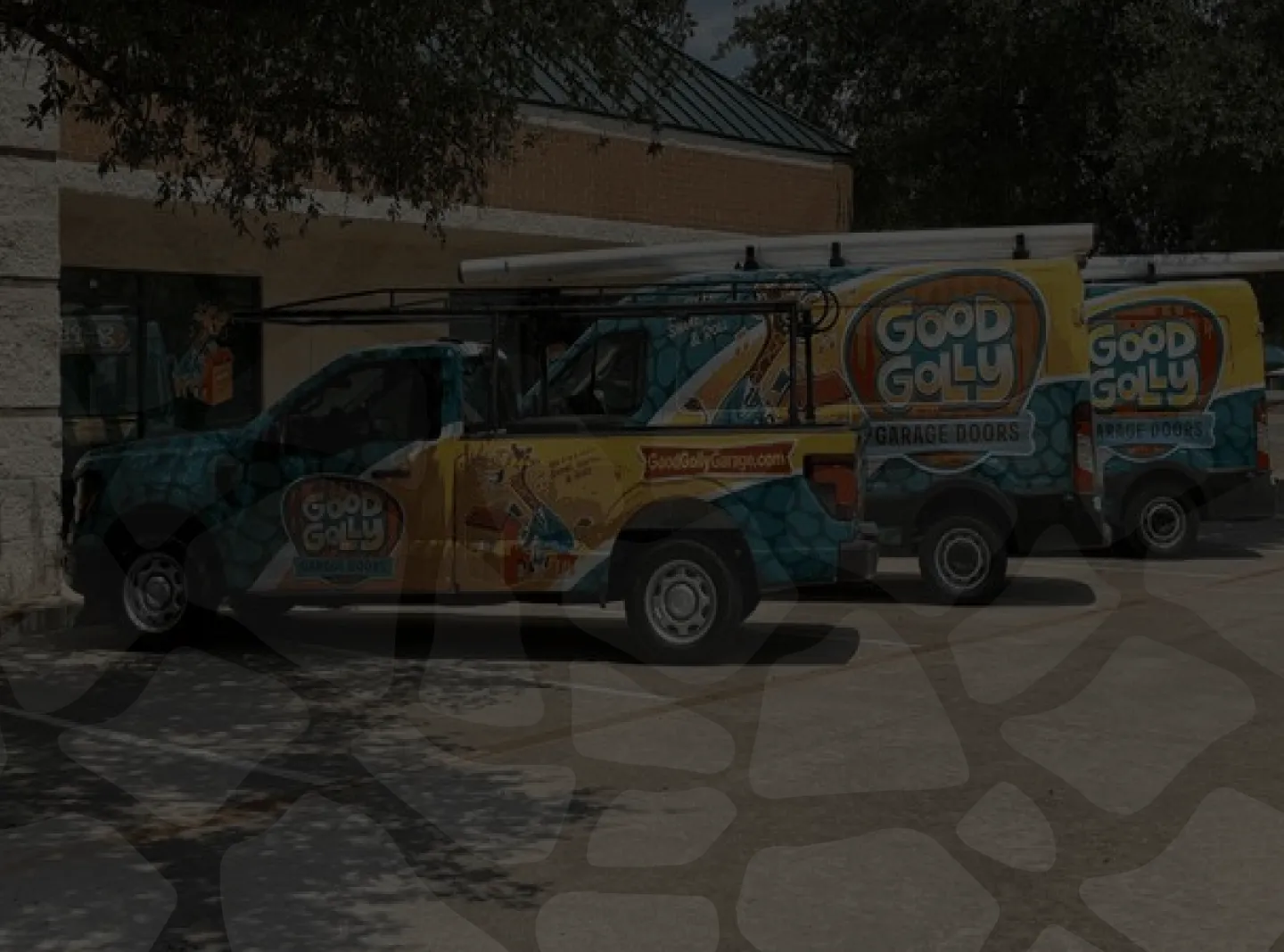
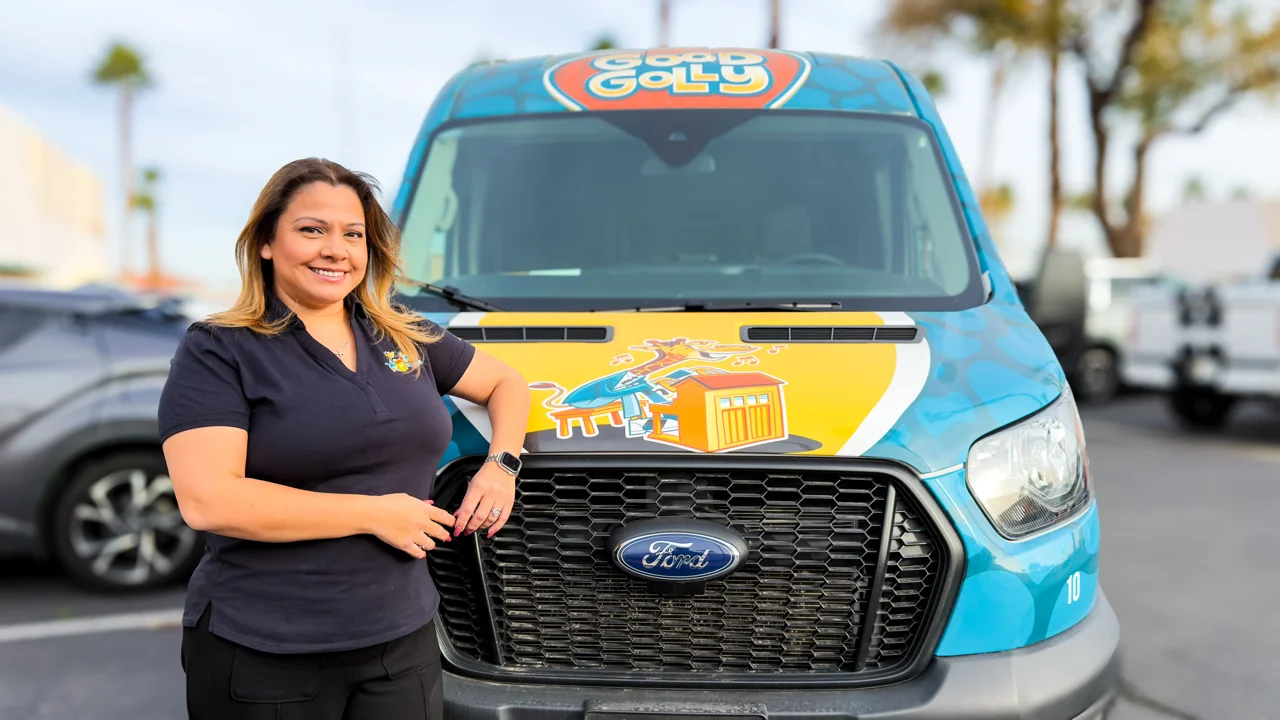
We’re available 24/7 for emergency spring, track, panel, and opener repairs, so you can call anytime for immediate dispatch. Our technicians arrive in clearly marked service vehicles with common replacement parts to stabilize and repair your door safely, often during the same visit. If the door appears unstable or unsafe, keep people and pets clear and allow our licensed and insured team to handle the repair.

[ LOCATIONS ]
FIND ONE OF OUR LOCAL
PEACE OF MIND FROM THE START