Garage Door Inspection in Leander, TX
Garage Door Not Working? Call for Quick, Professional Repair Today!


GARAGE DOOR MAINTENANCE
*For residential properties. Price is per garage door. May not be combined with any other offers. Coupon must be present at the time of service.
Is your garage door refusing to open, reversing unexpectedly, or making worrying grinding sounds during operation? You are risking convenience, security, and safety by ignoring these mechanical warning signs. For homeowners in Leander, a malfunctioning door is not just a nuisance; it leaves your property vulnerable to weather and unauthorized access. Contact us now to schedule an inspection or inquire about financing options for major repairs.
Good Golly Garage Doors provides comprehensive inspections to identify the root cause of failure before a minor part breakage turns into a total system collapse. We assess the structural integrity, balance, and mechanical safety of your system to restore full functionality.
- Same-day inspection and professional tuning to ensure your door operates smoothly and quietly.
- Detailed safety checks on springs, cables, and sensors to prevent sudden, dangerous breakdowns.
- Transparent pricing and clear reporting with no hidden fees or surprise upcharges.
Backed by a full warranty and clear, upfront cost assessments, our technicians ensure your system is compliant and safe.
Comprehensive Garage Door Inspection Services
A garage door is the largest moving object in your home, comprised of numerous components under high tension. When one part fails or falls out of alignment, it places excessive stress on the rest of the system. Our inspection service is designed to catch these issues immediately. We do not simply glance at the door; we perform a rigorous multi-point evaluation to determine exactly why your door is stalling, making noise, or failing to close.
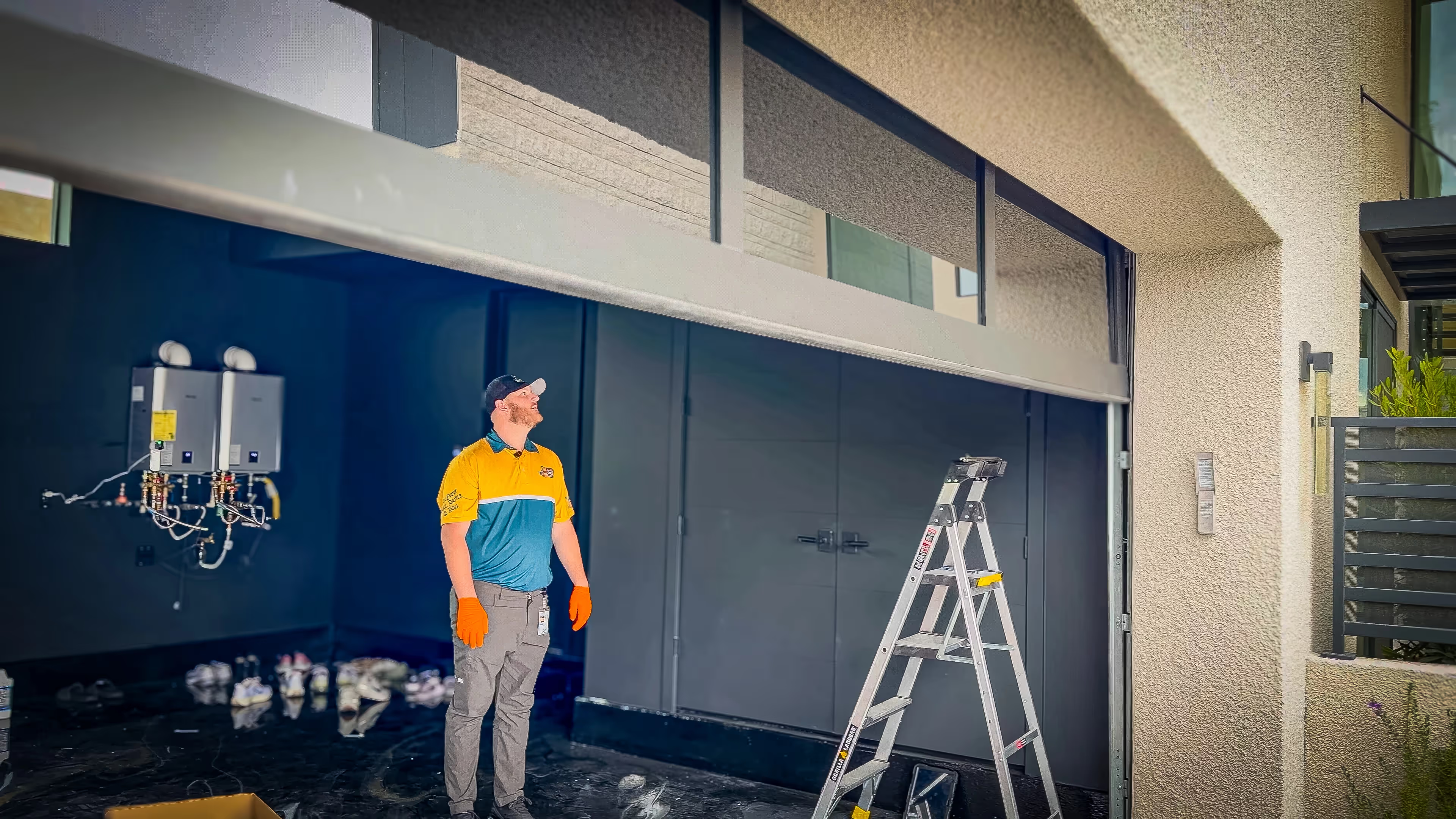
This service includes a thorough examination of the counterbalance system. The torsion or extension springs do the heavy lifting, and if they are fatigued or unbalanced, the opener motor will wear out prematurely. We check the cycle life remaining on your springs and measure the tension balance. If the door feels heavy when lifted manually, the springs are failing.
We also inspect the track and roller assembly. Bent tracks or worn-out rollers cause the door to bind, creating friction that leads to that "screaming" metal sound. We check for proper spacing, alignment, and lubrication. The inspection extends to the operator itself, testing the gear assembly, drive chain or belt, and the internal logic board to ensure commands are being received and executed correctly.
Finally, we prioritize safety features. This includes testing the auto-reverse mechanism and the photo-eye sensors. These are critical for preventing injuries and property damage. If your door does not reverse when it hits an obstruction, it is a liability. We ensure these systems meet current safety standards.
The Inspection and Maintenance Workflow
Understanding the health of your garage door system requires a systematic approach. Our technicians follow a strict protocol to ensure no component is overlooked. This process is designed to provide you with a complete picture of your system’s condition and immediate solutions for any faults found.
- Visual and Structural Assessment: The process begins with a complete visual check of the door panels and hardware. Technicians look for cracks in the sections, loose hinges, and separating strata. We examine the vertical and horizontal tracks for rust, debris, or misalignment that could derail the door. We also check the mounting brackets to ensure the unit is securely attached to the framing of the garage.
- Counterbalance and Tension Testing: Next, we disengage the automatic opener to test the door manually. This is the only way to accurately judge the health of the springs. The door should lift easily with one hand and stay in place when released halfway up. If the door slams down, the springs are weak; if it shoots up, they are too tight. We adjust the tension to achieve perfect neutrality, which relieves strain on the motor.
- Safety and Sensor Verification: We then reconnect the opener to perform safety tests. We place an object in the door's path to verify that the photo-eyes detect the obstruction and stop the door from closing. We also perform a force test by providing physical resistance to the door as it closes; it must reverse immediately upon contact. If these safety protocols fail, we calibrate the force limits and align the sensors.
- Lubrication and Hardware Tightening: Once the diagnostic phase is complete, we perform essential maintenance. We tighten all lag screws, nuts, and bolts that may have vibrated loose over time. We apply professional-grade lithium or silicone lubricant to the springs, rollers, and hinges. This step alone often resolves minor noise issues and extends the lifespan of the moving parts.
Determining When to Repair vs. Replace
During an inspection, the primary goal is to restore functionality. However, there are specific scenarios where continuing to repair an aging unit becomes less economical than replacing it. We provide the data you need to make this decision based on the condition of your specific unit.
Repair is the right choice when:
- The door is less than 10 years old and the panels are structurally sound.
- The issue is isolated to a specific wearable part, such as a broken spring, frayed cable, or stripped gear.
- The cosmetic appearance of the door is still acceptable, and the insulation values are sufficient for your needs.
- The cost of the repair is less than 50% of the cost of a new system.
Replacement is the better investment when:
- The door has suffered significant structural damage, such as warped sections or severe rust, which compromises security.
- The manufacturer has discontinued the model, making parts impossible to source or exorbitantly expensive.
- The unit lacks modern safety features, such as mandated auto-reverse sensors, or lacks insulation, leading to high energy bills.
- You are facing repeated, expensive repairs on the same unit within a short timeframe.
Local Factors Affecting Garage Door Performance
Operating a garage door in Leander presents specific challenges due to the regional climate and environmental conditions. These factors accelerate wear and tear in ways that standard maintenance schedules might not account for. Understanding these local variables helps in predicting when inspections are most critical.
- Thermal Expansion and Contraction: The intense heat during Texas summers causes metal components to expand. This thermal expansion can cause the door to bind in the tracks or cause the framing to shift slightly. Conversely, sudden drops in temperature can make springs brittle and more prone to snapping. Regular inspections ensure that spacing and tension are adjusted to account for these seasonal temperature swings.
- Soil Shifting and Foundation Movement: The clay-heavy soil in this region expands when wet and shrinks when dry, leading to foundation movement. Even a slight shift in your garage’s foundation can throw the door frame out of square. If the frame is not square, the door will not seal properly at the bottom, or it may jam during operation. We check for these alignment issues to prevent damage to the panels and tracks.
- Storm Readiness and Wind Load: Spring storms bring high winds and hail. Your garage door is the largest opening in your house and a primary failure point during high-wind events. If the door fails, wind pressure can enter the home and cause structural roof damage. We inspect the bracing and reinforcing struts to ensure your door meets the necessary wind load ratings for the area.
Identifying Specific Noises and Their Causes
Noise is often the first indicator that a garage door requires professional attention. Different sounds indicate different mechanical failures. Good Golly Garage Doors technicians use these auditory cues to pinpoint problems quickly.
- Squeaking or Squealing: This usually indicates a lack of lubrication or friction between moving parts. It often stems from dry rollers, unlubricated hinges, or bearings that are grinding against the shaft. While sometimes solved with lubrication, it can also indicate that the rollers are worn down to the point of needing replacement.
- Grinding or Metal-on-Metal Sounds: A loud grinding noise is typically a sign of a more serious mechanical issue. It often points to a stripped gear in the opener motor or a chain that is too loose and dragging against the rail. It can also mean that a roller has locked up and is dragging along the track rather than rolling, which will quickly ruin the track.
- Popping or Banging: Loud pops, especially when the door is opening, usually indicate a problem with the torsion springs or the panels sticking together. If the door panels are sticking due to heat or debris, they may "pop" apart as the door bends around the radius of the track. A loud bang usually means a spring has snapped, which is an immediate emergency requiring a total cessation of use.
- Rattling and Vibration: Excessive rattling suggests that the hardware is loose. Over thousands of cycles, the vibration of the door loosens the nuts and bolts holding the track and opener in place. This not only creates noise but poses a safety risk if a track bracket detaches from the wall.
The Importance of Professional Safety Checks
Attempting to inspect or repair a garage door without professional training is dangerous. The counterbalance system involves high-tension springs that store enough energy to lift a 400-pound object. If a spring releases that tension uncontrolled, it can cause severe injury or property damage.

We utilize specialized tools to wind and unwind springs safely. We also have the diagnostic equipment to test the electrical components of the opener motor, ensuring there are no shorts or logic board failures that could cause the door to open randomly (phantom operation).
Furthermore, professional inspection protects the validity of your manufacturer's warranty. Many door and opener manufacturers require proof of professional maintenance to honor warranty claims. By having a certified technician document the condition and maintenance of the door, you protect your investment.
We check the integrity of the lift cables. These cables are under immense tension and are prone to fraying and rusting, especially near the bottom brackets where moisture collects. A snapped cable can cause the door to fall or wedge sideways in the opening. Our inspection identifies fraying strands before they snap.
%2520(1).webp)
Securing Your Home with Reliable Operation
A functional garage door is essential for the security of your home and the rhythm of your daily life. Ignoring minor issues leads to emergency situations where vehicles are trapped inside or the home is left open to the street. By prioritizing regular professional inspection, you ensure that the system remains balanced, lubricated, and safe for your family to use.
We provide the expertise required to diagnose complex mechanical and electrical issues accurately. Whether it is adjusting the travel limits on a new opener or replacing a fractured torsion spring, the goal is always long-term reliability. Don't wait until the door is completely stuck to seek professional help.
Ensure your garage door remains a convenience rather than a liability. Contact Good Golly Garage Doors today to schedule a comprehensive inspection and get your system running smoothly again.
[ PARTNERS ]
TRUSTED BY BRANDS
TRUSTED BY BRANDS ACROSS THE WORLD
ACROSS THE WORLD






[ TESTIMONIALS ]
DON´T TAKE OUR WORD
DON´T TAKE OUR WORD FOR IT, TAKE OUR CLIENT´S
FOR IT, TAKE OUR CLIENT´S
Great experience! They quickly fixed a motor issue, helped with the remote control, and gave helpful maintenance tips. Professional, honest, and reliable service. Highly recommend good golly garage door.


I recently had the chance to work with Good Golly Garage Doors in Phoenix, and I’m super impressed with how they handled everything! From start to finish, the team was really friendly, reliable, and got the job done
Our garage spring snapped earlier in the morning and Good Golly was at our Victorville Home within an hour. The tech replaced both springs, balanced the door, and made sure everything was running safely. It’s refreshing to find a company that really values quick, caring service. Highly recommend them
I used Good Golly Garage Door today and they fixed me up. Great customer service. Professional and knowledgeable workers!!!
Our garage opener had been dying a slow death for months. When it finally quit, Good Golly replaced it with a quiet, reliable unit. Installation was fast, and they walked us through all the features.
I had a great experience with Good Golly Garage Doors. They responded quickly, arrived on time, and immediately addressed the issue. The technician was professional, knowledgeable, and had my garage door working smoothly again in no time.
They did an amazing install and everything surrounding the experience was flawless! They were quick to come provide a fair estimate and provided several options that worked with our budget and timeline. Highly recommend whether looking at a whole new door or just a repair job
NEED GARAGE DOOR HELP ASAP?
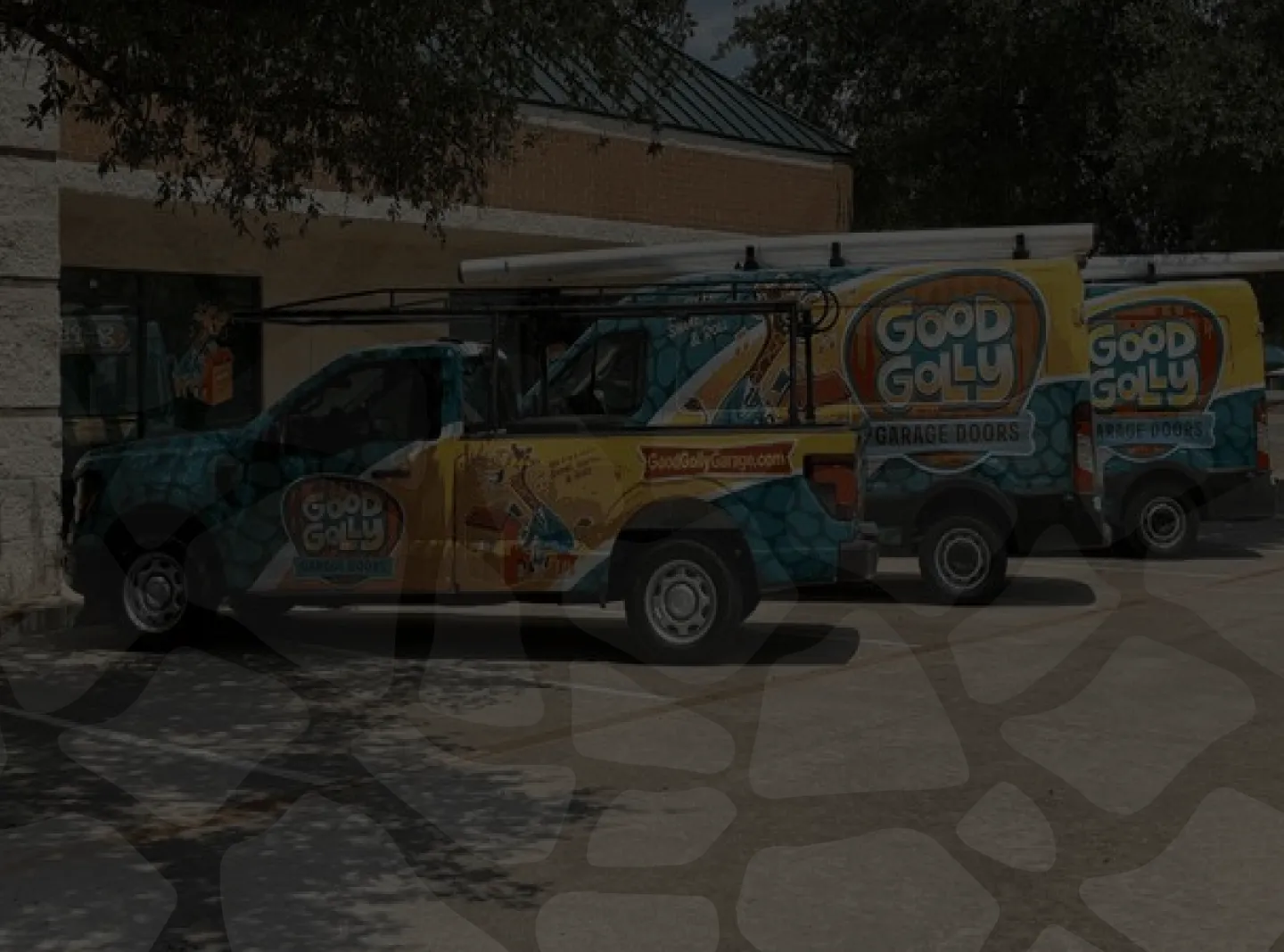
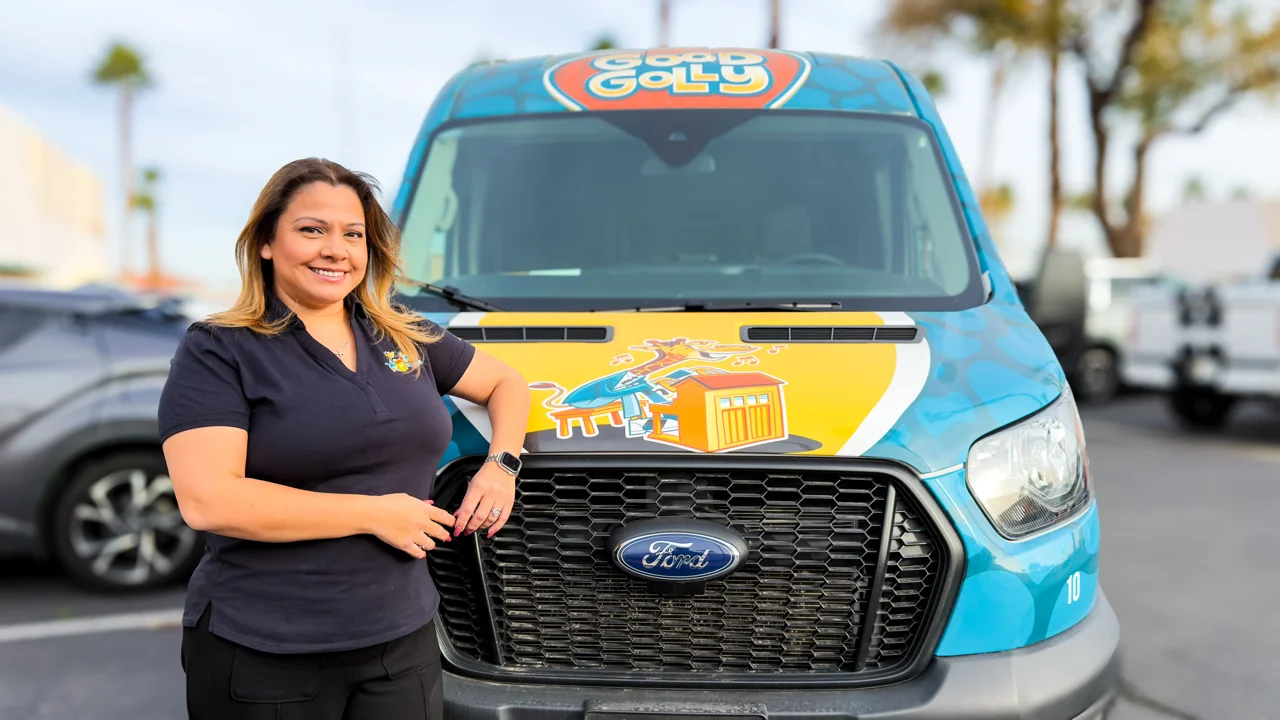
We’re available 24/7 for emergency spring, track, panel, and opener repairs, so you can call anytime for immediate dispatch. Our technicians arrive in clearly marked service vehicles with common replacement parts to stabilize and repair your door safely, often during the same visit. If the door appears unstable or unsafe, keep people and pets clear and allow our licensed and insured team to handle the repair.



[ LOCATIONS ]
FIND ONE OF OUR LOCAL
PEACE OF MIND FROM THE START