
Garage Door Troubleshooting in Phoenix, AZ: A Complete Guide to Identifying Symptoms
Your garage door is the largest moving part of your home, and when it stops working, it can bring your daily routine to a grinding halt. For homeowners in Phoenix, Arizona, a malfunctioning garage door isn't just an inconvenience. It can be a security risk and a major source of frustration, especially when the summer temperatures soar well into the triple digits. Understanding the basic symptoms of garage door failure is the first step in troubleshooting the problem. This guide will help you identify common issues, decode strange noises, and understand how our unique Sonoran Desert climate impacts your garage door system.
Why Won't My Garage Door Open?
One of the most common questions we hear at Good Golly Garage Doors is, "Why won't my garage door open?" Before you panic, it's important to systematically diagnose the symptoms. Here are the primary reasons your door might be stuck:
Power and Connectivity Issues
It sounds simple, but always check the power source first. Is the motor plugged in? Has a circuit breaker tripped? If the wall switch works but the remote doesn't, you likely just need new batteries or a quick reprogramming. Sometimes, power surges during summer monsoon storms can trip the GFCI outlet your opener is plugged into.
Misaligned or Blocked Photo-Eye Sensors
Your garage door has safety sensors located near the floor on either side of the track. If the invisible beam between them is broken, the door will refuse to close (or open). In Phoenix, it's incredibly common for monsoon dust, debris, or even intense direct sunlight to interfere with these sensors. Wiping them down with a microfiber cloth is a quick diagnostic step.
Broken Torsion or Extension Springs
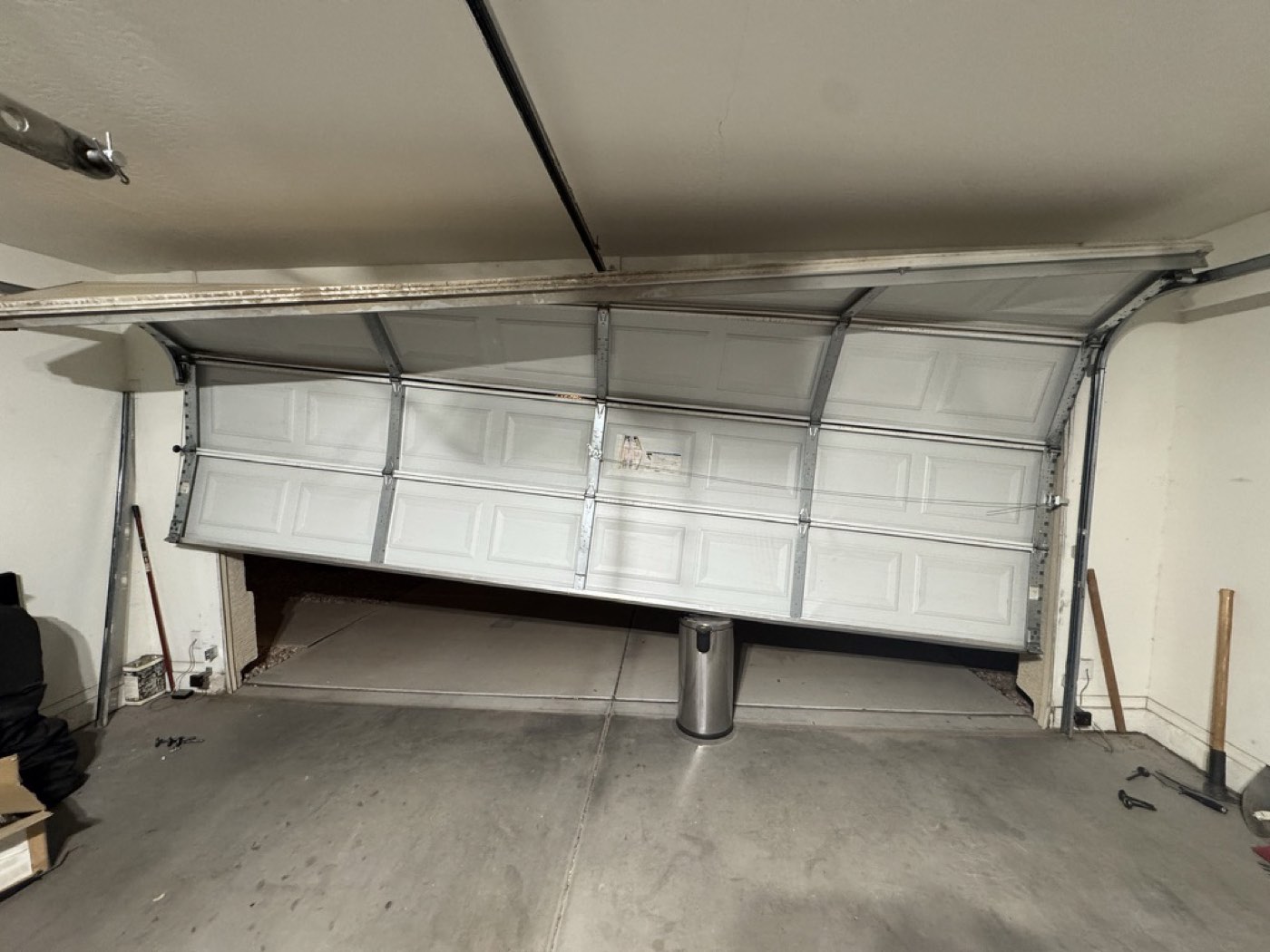
If you heard a loud "bang" that sounded like a gunshot originating from your garage, you likely have a broken spring. Springs bear the heavy lifting of the door's weight. If a spring is broken, the motor will struggle or completely fail to lift the door. Expert Tip: Never attempt to replace a broken spring yourself, as the extreme tension can cause severe injury.
Snapped Cables
Cables work in tandem with the springs to smoothly raise and lower the door. If a cable snaps, the door may sit at an angle or refuse to move entirely. You might see the frayed cable hanging loosely near the track.
What Is That Garage Door Noise Telling You?
Garage doors are rarely completely silent, but certain noises are clear indicators that something is wrong. Listening closely can help you pinpoint the issue before it leads to a complete system failure.
Squeaking or Squealing
This is usually a sign of a lack of lubrication. The rollers, hinges, and springs need regular lubrication to function smoothly. If the squeaking persists after applying a silicone-based garage door lubricant, your rollers may be worn out and in need of replacement.
Grinding or Scraping
A harsh grinding noise often indicates that the door is rubbing against the track, or that the rollers are completely worn down to the metal shaft. It can also point to a frayed cable rubbing against the drum. This requires immediate attention to prevent permanent damage to the tracks.
Popping or Snapping
If you hear a popping sound as the door opens or closes, your torsion spring may be binding, or the sections of your door might be catching on one another due to worn hinges.
Rattling
A rattling noise usually means that nuts, bolts, or screws have vibrated loose over time. A quick inspection and tightening of the hardware with a socket wrench can often resolve this issue and quiet the door down significantly.
How Does Phoenix Weather Affect Your Garage Door?
Living in the Valley of the Sun presents unique challenges for your home's exterior, and your garage door is no exception. The extreme local climate plays a significant role in the wear and tear of your system.
Extreme Heat Warping
Phoenix summers routinely exceed 110°F. This intense, prolonged heat can cause metal tracks to expand and warp slightly, leading to binding or grinding as the door moves. Wooden doors are also susceptible to cracking and warping under the relentless sun, which can throw the door out of alignment.
Monsoon Dust and Debris
The annual monsoon season brings intense dust storms (haboobs) that can coat your garage door tracks and photo-eye sensors in a thick layer of grit. This buildup forces the motor to work harder, grinds down the rollers prematurely, and frequently causes sensor misalignments.
Sun-Baked Weatherstripping
The rubber weatherstripping at the bottom of your door is essential for keeping out pests, dust, and hot air. However, the UV index in Phoenix will quickly dry out and crack this rubber, rendering it ineffective and requiring more frequent replacement than in milder climates.
Electronic Overheating
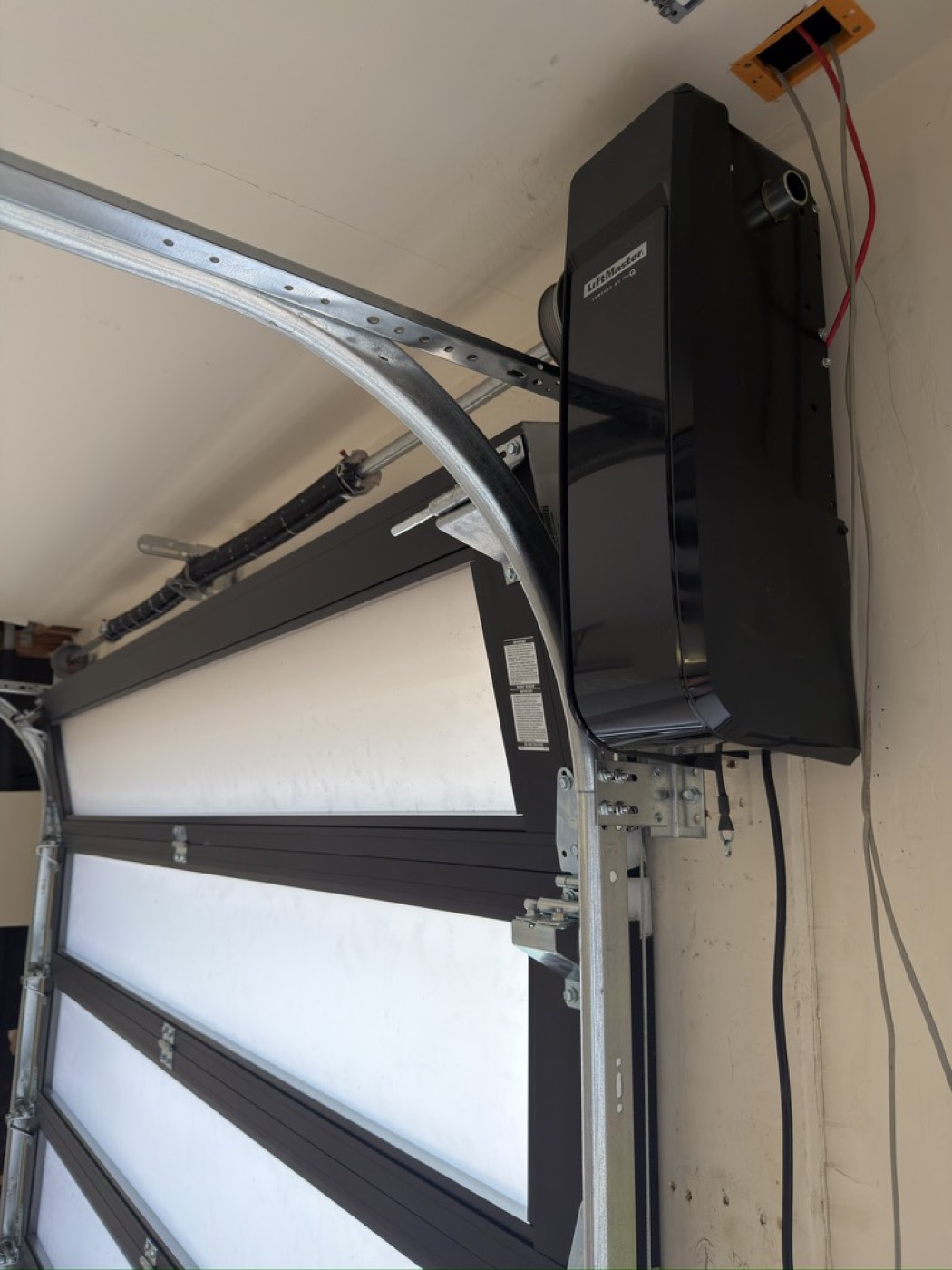
Garage door openers are essentially small computers. In an uninsulated Phoenix garage, the ambient temperature can reach 130°F or more, which can occasionally cause the opener's logic board to overheat and malfunction, leading to erratic behavior.
Which Checks Are Safe DIY, and Which Need a Pro?
As a homeowner, there are several safe, routine maintenance tasks you can perform. You can clean the tracks with a damp cloth, wipe down the photo-eye sensors, lubricate the moving parts, and tighten loose hardware. Regular visual inspections can help you catch frayed cables or worn rollers early.
However, when it comes to diagnosing complex mechanical failures, it is crucial to rely on professional expertise. Garage doors weigh hundreds of pounds and operate under immense tension. Attempting to adjust tracks, replace springs, or repair cables without the proper training and tools is highly dangerous. At Good Golly Garage Doors, our trained technicians use diagnostic tools to accurately identify the root cause of the failure, ensuring your door is repaired safely and correctly the first time. We understand the specific toll the Phoenix environment takes on these systems and can recommend the best heavy-duty replacement parts.
Phoenix troubleshooting FAQs
Common homeowner questions
Straight answers first: the Phoenix team can go deeper on anything specific to your door, your opener, and your home.
Why does my garage door open a few inches and then stop?
This is typically caused by a broken torsion spring or a blockage in the track. The opener detects the abnormal resistance and stops to prevent damage to the motor. Do not force the door open; inspect the springs above the door for a visible gap.
Can the Phoenix heat cause my garage door to open by itself?
While the heat itself won't trigger the door to open, extreme temperatures can cause the logic board in the opener to malfunction, or cause the plastic housing on your remote to warp and press the button. Additionally, direct sunlight hitting the safety sensors can trick the system into reversing.
How often should I lubricate my garage door in Arizona?
Due to the dry, dusty environment in Phoenix, we recommend lubricating your garage door's moving parts (hinges, rollers, and springs) every 3 to 6 months using a high-quality, silicone-based garage door lubricant. Avoid WD-40, as it attracts dust and dirt.
Is it safe to manually open my garage door if the motor is broken?
Yes, if the springs are intact. You can pull the red emergency release cord to disconnect the door from the opener and lift it manually. However, if the door feels incredibly heavy or slams back down, you have a broken spring and should stop immediately to avoid injury.
From reading to protecting
Put this guide to work with the Phoenix team.
Every Good Golly location works from the same honest playbook, including a free second opinion on any major residential repair estimate. The Phoenix, AZ team confirms the details for your door, your climate, and your schedule.