
Garage Door Inspection & Repair in Newman, CA - Safety Analysis
Discover timely garage door inspection & repair services in Newman, CA, and ensure safety and efficiency. Schedule a professional evaluation today to avoid…
Is Your Garage Door Making Strange Noises or Failing to Open?
Is your garage door failing to open smoothly, making grinding noises, or does it seem visibly off-balance when in motion? You might be overdue for a professional garage door inspection to identify failing components before they become safety hazards. Contact us to schedule a comprehensive safety analysis and diagnostic service.
Ignoring minor irregularities in your garage door’s operation often leads to total system failure, leaving your vehicle trapped or your home vulnerable. Good Golly Garage Doors provides detailed evaluations to pinpoint the root cause of performance issues.
- Receive a comprehensive door assessment.
- Ensure your garage door meets current safety and efficiency standards.
Insured technicians ensure your garage door is up to code, operating safely, and balanced perfectly.
What to Expect From a Professional Garage Door Inspection
A proper inspection is more than just a visual once-over; it is a rigorous testing of mechanical and electrical systems. When a technician arrives at your property, the goal is to evaluate the entire counterbalance system and the opener’s logic. Most homeowners do not realize that a garage door is a complex machine involving high-tension springs, cables under immense pressure, and precise electronic sensors.
Our diagnostic process covers over 20 specific safety and performance points. This rigorous approach ensures that no bolt, hinge, or roller goes unchecked. We assess the structural integrity of the panels, the tension of the springs, and the alignment of the tracks. The objective is to catch "silent" failures, parts that are about to break but haven't yet snapped.
Key Components We Evaluate
- Torsion and Extension Springs: We check for cycle fatigue, rust, and proper tension. Springs have a limited lifespan, and we measure their remaining utility.
- Lift Cables and Drums: We look for fraying, kinking, or uneven winding on the drums. A frayed cable is a snap risk that can cause the door to fall.
- Rollers and Hinges: We inspect the bearings in the rollers and the integrity of the hinges. Worn rollers cause vibration and noise, damaging the track over time.
- Track Alignment: We verify the vertical and horizontal tracks are plumb and parallel. Misalignment causes friction, forcing the opener to work harder than necessary.
- Opener Logic and Gears: We test the motor’s force settings and the internal gears for stripped teeth, which are common in older systems.
- Safety Sensors (Photo Eyes): We verify that the reversal mechanism works instantly when the beam is broken, a critical safety requirement.
The Inspection Workflow: How We Assess Your System
We follow a systematic workflow to ensure consistency and thoroughness. This process is designed to isolate variables and determine exactly why a door might be sticking, squeaking, or moving slowly.
- First, the technician performs a visual inspection of the door’s exterior and interior hardware. This includes checking for loose mounting brackets and cracked panels that could affect structural stability.
- Next, we perform a balance test. The technician disconnects the electric opener to operate the door manually. A properly balanced door should lift easily with one hand and stay open halfway without falling or shooting up. If the door feels heavy, the springs are failing.
- Following the balance test, we examine the safety reversal system. We place a standardized object in the door's path to ensure it reverses upon contact. This verifies compliance with UL 325 safety standards.
- Then, we inspect the weather stripping and bottom seal. In Newman, protecting your garage from dust and pests is essential. We check for gaps that compromise the seal.
- Finally, we review the lubrication status of all moving parts. Dry friction accelerates wear, so we identify areas that require non-silicone-based lubricants.
When to Schedule a Safety Inspection
Waiting until the door refuses to open is a risky strategy. Most catastrophic failures are preceded by warning signs that homeowners often overlook or attribute to the "age" of the house. Recognizing these symptoms early allows for repairs that are significantly cheaper than a full system replacement.
- Excessive Noise: While no garage door is silent, grinding, scraping, or squealing sounds indicate metal-on-metal friction. This usually points to worn rollers or unlubricated bearings.
- Slow Response Time: If your door takes longer than usual to respond to the remote or moves at a sluggish pace, the opener motor may be wearing out or the springs may have lost tension.
- Shaking or Shimmying: A door should move smoothly along the tracks. If it shudders or shakes during operation, the tracks may be obstructed or the rollers may be damaged.
- Sagging Sections: When the door is halfway open, check if it bends or sags. This indicates structural fatigue in the door panels, which changes the physics of how the door lifts.
- Higher Energy Bills: If your attached garage is affecting your home's temperature, the weather seals or insulation on the garage door may be compromised.
Deciding Between Repair and Replacement
During an inspection, our technicians provide data to help you decide whether to repair a specific component or replace the entire system. This decision relies on cost-efficiency, safety, and the age of the system.
- The 50% Rule: If the cost of repairs approaches 50% of the cost of a new door or opener, replacement is generally the wiser financial choice.
- Age of the System: Most openers last 10-15 years, while torsion springs are rated for 10,000 to 20,000 cycles. If multiple parts are failing simultaneously on an older system, spot repairs may only be a temporary fix.
- Safety Features: Older doors often lack modern safety features like pinch-resistant panels or rolling code technology for openers. Upgrading enhances the security and safety of the home.
- Cosmetic Condition: If the door panels are rusted, dented, or water-damaged, mechanical repairs won't fix the curb appeal or structural weakness of the panels themselves.
Good Golly Garage Doors provides honest assessments, outlining the pros and cons of repair versus replacement so you can make an educated decision based on your budget and long-term plans.
Why Professional Diagnostics Are Necessary
Many homeowners attempt to inspect or repair their garage doors themselves, but this poses significant risks. Garage doors are the largest moving objects in a home, and the counterbalance system operates under extreme tension.
- Spring Tension Danger: Torsion springs store enough energy to lift a 300-pound door. If a homeowner attempts to adjust or release this tension without the proper tools and training, the spring can release violently, causing severe injury.
- Electrical Hazards: Modern garage door openers are hardwired into the home’s electrical system. Troubleshooting circuit boards and logic sensors requires a multimeter and an understanding of low-voltage wiring.
- Hidden Structural Issues: A professional eye can spot stress fractures in the mounting hardware that are invisible to the untrained observer. These fractures can cause the rail to detach from the ceiling.
Our team focuses on delivering a "health report" for your garage door system. We identify the exact part numbers required for repair, check compatibility with your existing setup, and verify that the door is operating within the manufacturer’s specified force limits.
Ensuring Long-Term Reliability
Routine inspections are the most effective way to prevent breakdowns. By identifying wear patterns early, you can schedule maintenance at your convenience rather than being forced to deal with a broken door at an inconvenient time. A well-maintained door runs quieter, faster, and safer.
We prioritize clear communication regarding the state of your system. You will receive a breakdown of what is working well, what needs monitoring, and what requires action. This transparency ensures there are no surprises when it comes to the functionality of your home’s primary entry point.
Secure your home and ensure your garage door operates flawlessly year-round. Don't wait for a spring to snap or a cable to break.
Call us now to book your professional garage door inspection.

Need Garage Door Help ASAP?
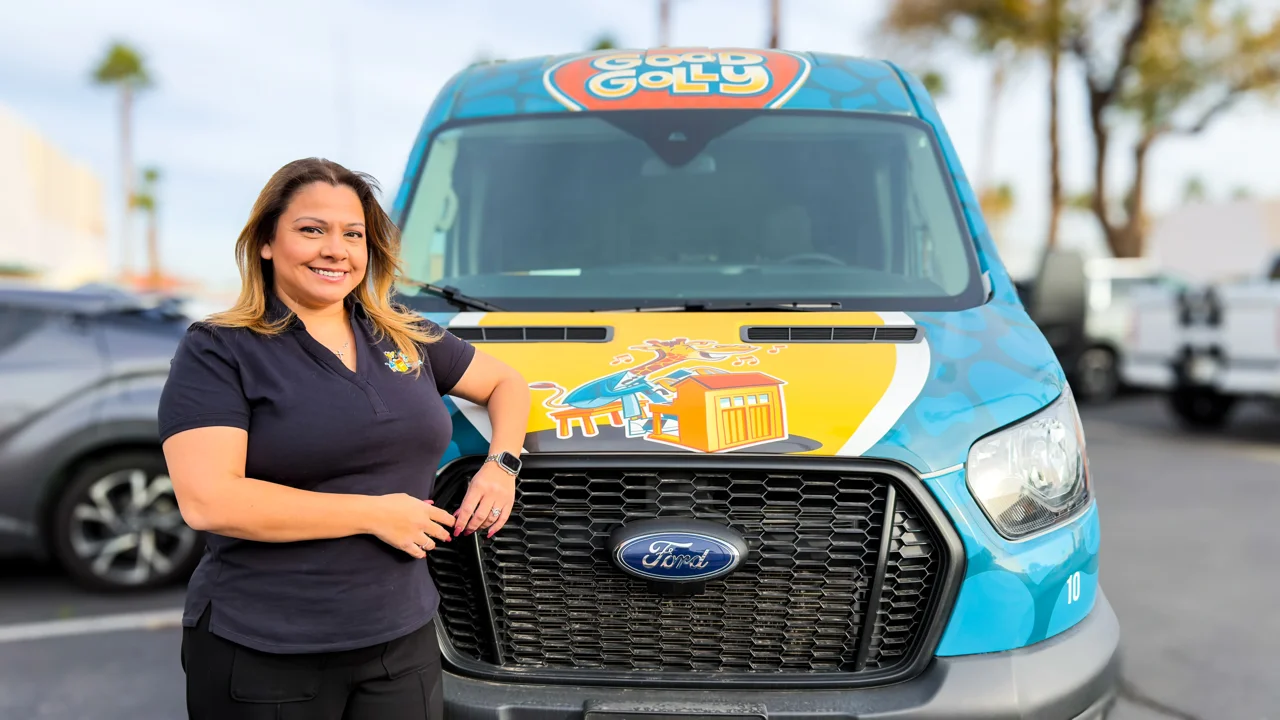
We answer the phone 24/7 for emergency spring, track, panel, and opener repairs, so you can reach a real person any time. Our technicians arrive in clearly marked service vehicles carrying common replacement parts, and most jobs can be completed the same day. If the door appears unstable or unsafe, keep people and pets clear and let our team handle the repair.