
Is It Safe to Repair a Garage Door Yourself? 5 Dangers
Is it safe to repair a garage door yourself? Discover dangers of springs, cables & DIY pitfalls. Call Las Vegas pros now!
How Dangerous Is It to Repair a Garage Door Yourself in Las Vegas?
Is it safe to repair a garage door yourself? For most repairs, the honest answer is no — and the numbers make that clear.
Quick Answer:
| Task | Safe for DIY? |
|---|---|
| Cleaning photo eye sensors | Yes |
| Lubricating hinges and rollers | Yes |
| Tightening loose nuts and bolts | Yes |
| Visual inspection for wear | Yes |
| Spring replacement or adjustment | No — serious injury risk |
| Cable repair or replacement | No — extreme tension hazard |
| Off-track door realignment | No — crushing injury risk |
| Bypassing or adjusting safety sensors | No — illegal under federal law |
| Emergency release cord use with broken spring | No — door can free-fall |
Your garage door is the largest moving object in your home. A typical residential door weighs anywhere from 100 to 500 pounds, and the springs holding it up store between 100 and 300 pounds of tension at all times. Between 20,000 and 30,000 people are injured by garage doors every year in the United States — and roughly 12.7% of those injuries happen specifically during repair or installation attempts.
That means well-intentioned homeowners trying to save a little time and money are ending up in emergency rooms at an alarming rate. The risks are not hypothetical. They are mechanical, immediate, and in some cases, fatal.
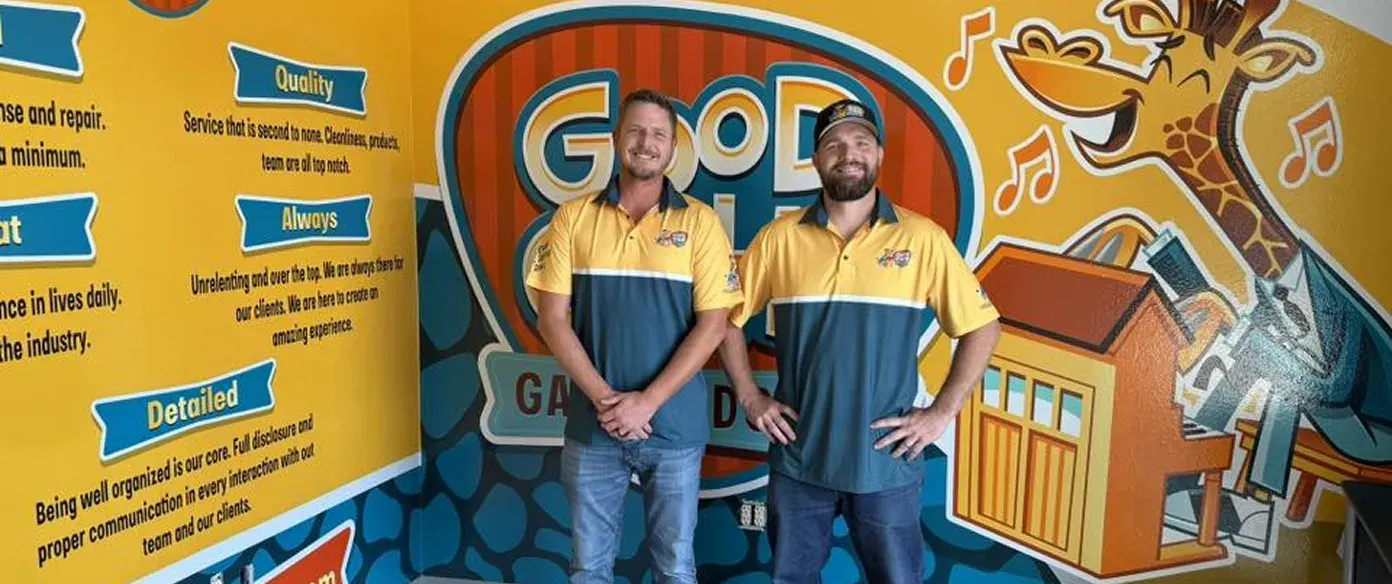
I’m Jason Henderson, founder and CEO of Good Golly Garage Doors and a home service industry leader with years of experience managing service operations where safety and technical precision go hand in hand. Whether is it safe to repair a garage door yourself is a question you’re asking out of curiosity or urgency, this guide will give you a straight, clear answer so you can make the right call for your family and your home.

Is It Safe To Repair A Garage Door Yourself?
When we look at the mechanical complexity of a garage door, we aren’t just looking at a piece of wood or steel; we are looking at a system of stored potential energy. This energy is what allows you to lift a 400-pound door with one hand (or a small motor). However, when that energy is released unexpectedly during a DIY attempt, it happens in milliseconds—faster than human reaction time.
Every year, more than 2,000 people are admitted to hospitals with crushing injuries caused by a garage door falling or slamming shut. These aren’t just bruises; we are talking about broken bones, concussions, and even permanent vision loss from flying debris. Because of these stakes, professional Garage Door Repair involves more than just a toolbox. Our technicians use specialized equipment and years of technical expertise to handle the weight and tension safely.
Is It Safe To Repair A Garage Door Yourself When The Torsion Spring Snaps?
The torsion spring is the “loaded gun” of your garage door system. These springs maintain a force of 100 to 300 pounds when coiled. If you’ve ever heard a spring break, you know it sounds like a gunshot. That’s the sound of hundreds of pounds of torque being released instantly.
Understanding How Garage Door Springs Work and Why They Break is vital. They are designed to counterbalance the door’s weight, but they have a limited lifespan. When a homeowner attempts a Garage Door Spring Repair without proper winding bars, they often resort to using screwdrivers or pliers. This is a recipe for disaster. If the tool slips, the spring can spin the shaft violently, launching metal fragments or the tool itself at high speeds. This has resulted in “open-globe” eye injuries and severe lacerations for many DIYers.
Is It Safe To Repair A Garage Door Yourself If The Door Is Off-Track?
A door that has slipped its tracks is essentially a giant, heavy “guillotine” waiting to drop. In the debate of DIY vs Specialists for Off-Track Garage Door Repair Winner Revealed, the professional always wins because of the risk of structural collapse.
When a door is off-track, the weight is no longer distributed evenly. Attempting a Garage Door Track Repair yourself involves wrestling with hundreds of pounds of steel while the cables are often still under extreme tension. If the door shifts or the cable snaps while you are working on it, the door can crash down instantly. This doesn’t just damage your car; it can lead to life-altering crush injuries.
The Mechanical Dangers Of High-Tension Springs And Cables

The cables on your garage door work in tandem with the springs to lift the weight. These are not ordinary wires; they are aircraft-grade steel cables under immense torque. Over time, especially with the desert dust and heat in Las Vegas and Henderson, these cables can fray or rust.
When we perform an Emergency Garage Door Repair, we treat these cables with the same respect as the springs. If a cable snaps while you are near it, it can whip around with enough force to cause deep lacerations or even amputate a finger. Professional repair requires 30+ quarter-turn increments of tensioning with specialized tools to ensure the counterbalance system is perfectly calibrated. Without these tools, you are essentially guessing with your safety.
Why DIY Repairs In Las Vegas Can Void Your Warranty
Beyond the physical danger, there is a financial risk. Most modern garage doors and openers come with manufacturer warranties that specifically state repairs must be performed by authorized technicians. If you attempt a DIY fix and something goes wrong, you may find yourself footing the bill for a total system replacement that would have otherwise been covered.
Furthermore, there are legal protections to consider. UL 325 is a federal safety standard that mandates entrapment protection (like safety sensors) for all garage door openers. If you bypass these sensors during a repair, you are violating federal law and creating a massive liability for yourself if an accident occurs. In our local area—from Summerlin to North Las Vegas—desert dust can often cause sensor interference. Knowing What to Look for in a Garage Door Contractor ensures you hire someone who understands these regulations and can fix the issue without compromising safety. This is especially true for Garage Door Panel Repair, where an improper DIY installation can throw off the door’s balance and burn out your motor.
Safe Maintenance Tasks For Homeowners
While we strongly discourage DIY repairs on high-tension components, we love it when homeowners take an active role in maintenance! Regular care can prevent the need for emergency calls and extend the life of your door.
| Maintenance Task | Frequency | Benefit |
|---|---|---|
| Visual Inspection | Monthly | Spotting frayed cables or rust before they break. |
| Lubrication | Every 3-6 Months | Reducing friction and noise on hinges and rollers. |
| Tightening Hardware | Every 6 Months | Preventing parts from vibrating loose. |
| Sensor Cleaning | As Needed | Ensuring the door reverses for children and pets. |
For those of us living in the Las Vegas valley, the heat and dust are our biggest enemies. We recommend using a lithium-based or silicone-based lubricant on hinges, rollers, and springs. Avoid WD-40, as it actually attracts dust and can gum up the tracks. Also, ensure your safety sensors are exactly 6 inches from the floor and aligned so the lights stay steady.
Frequently Asked Questions About Garage Door Safety
Why is the emergency release cord dangerous?
The red emergency release cord is designed to disconnect the door from the opener so you can lift it manually during a power outage. However, pulling this cord when the door is open and has a broken spring is incredibly dangerous. Without the spring’s support or the opener’s motor holding it, a 500-pound door can free-fall like a stone, causing a fatal impact or crushing anything in its path. Always ensure the door is fully closed before pulling the release.
Can I replace just one garage door spring?
While it might be tempting to only replace the one that broke, it is a bad idea. Garage door springs are manufactured to have the same “cycle life.” If one has snapped, the other is likely just days or weeks away from failing. Replacing only one creates an imbalance that strains the opener and the tracks. Professionals always replace them in pairs to ensure parity and proper calibration.
Is it illegal to bypass garage door safety sensors?
Yes, according to UL 325 federal law, all residential garage doors manufactured after 1993 must have functioning entrapment protection. Bypassing or “jumping” these sensors to make a door close is not only illegal but extremely dangerous. It disables the system’s ability to detect a child, pet, or vehicle in the path of the door, leading to high-risk liability and potential tragedy.
Conclusion
At the end of the day, the question of is it safe to repair a garage door yourself comes down to risk versus reward. Saving a few dollars on a weekend project isn’t worth a trip to the emergency room or a voided warranty on your home’s largest moving part.
At Good Golly Garage Doors, we have built our reputation on community trust throughout Las Vegas, Henderson, and Summerlin. We understand the unique challenges our desert climate puts on your garage door hardware, from the extreme summer heat to the fine dust that settles in the tracks. Our team is available for 24/7 emergency response to ensure your home remains secure and your family stays safe.
Don’t gamble with high-tension springs or heavy doors. Let our skilled technicians provide the peace of mind you deserve with transparent pricing and reliable workmanship. Schedule professional garage door service in Las Vegas today and keep your home running smoothly and safely.

Need Garage Door Help ASAP?
We answer the phone 24/7 for emergency spring, track, panel, and opener repairs, so you can reach a real person any time. Our technicians arrive in clearly marked service vehicles carrying common replacement parts, and most jobs can be completed the same day. If the door appears unstable or unsafe, keep people and pets clear and let our team handle the repair.