
Garage Door Opener Repair in San Carlos, CA
Garage Door Not Working? Call for Quick, Professional Repair Today!
No Service Fee for Residential Customers
Is a Malfunctioning Opener Disrupting Your Routine?
When your garage door opener stops working, it can throw your entire day off and leave your home or business vulnerable. At Good Golly Garage Doors, we specialize in garage door opener repair in San Carlos, CA, providing fast, precise solutions for every type of opener issue.
From unresponsive remotes and faulty sensors to motor failures and unusual noises, our skilled technicians diagnose the problem quickly and restore smooth, reliable operation. We combine expert repairs with high-quality parts and a commitment to your safety, so your garage door opener works flawlessly every time. Contact Good Golly Garage Doors today and get it running like new.
Emergency Repairs and Standard Service Calls
Garage door openers rarely fail at convenient times. The breakdown usually occurs during the morning rush or late at night, leaving the home vulnerable. Professional repair services prioritize speed and accuracy to restore access to the home. The service scope covers every component within the opener motor head and the rail system. Whether the issue stems from a stripped gear within the motor casing or a disrupted signal between the safety sensors, the goal is to identify the root cause rather than applying a temporary patch.
Residents in San Carlos can expect technicians to arrive with fully stocked trucks. This inventory preparation is critical for resolving issues in a single visit. Technicians carry logic boards, capacitors, limit switches, and trolleys compatible with major manufacturers like LiftMaster, Chamberlain, Genie, and Craftsman. The service addresses specific failure points such as:
- Stripped Main Gears: A humming motor with no movement often indicates the plastic gears inside the system have shredded. This requires a gear kit replacement to restore the drive mechanism.
- Capacitor Failure: If the opener buzzes but refuses to lift the door, the capacitor may have blown. This electrical component provides the torque needed to start the motor.
- Logic Board Malfunctions: Power surges or age can fry the circuit board, causing erratic behavior such as the door opening on its own or refusing to accept remote signals.
- Safety Sensor Misalignment: The most common cause of a door reversing unexpectedly. Technicians realign and clean photo-eyes to ensure the beam is unbroken.
- Trolley Carriage Damage: The plastic or metal carriage that connects the door arm to the rail can snap under stress, disconnecting the door from the opener.
Your Step-by-Step Guide to Garage Door Opener Repair
Understanding the repair process helps homeowners anticipate the workflow and ensures transparency. Professional repair is a systematic approach to troubleshooting electromechanical systems. The process moves from safety inspection to mechanical repair and finally to calibration.
- Initial System Diagnostic: The technician begins by inspecting the entire counterbalance system. A garage door opener is designed to assist the springs, not lift dead weight. If the springs are broken or unbalanced, the opener repair cannot proceed until the door is balanced. This step prevents future burnout of the new or repaired motor.
- Electrical Testing: Using multimeters, the technician tests the voltage arriving at the outlet and the output from the logic board. This confirms whether the issue is internal to the motor or related to the home’s electrical supply.
- Component Isolation: The technician isolates the problem to a specific part. For example, if the remote works but the wall button does not, the wiring is inspected for shorts. If the motor runs but the chain does not move, the internal drive gears are examined.
- Part Replacement and Repair: Good Golly Garage Doors technicians remove the faulty component and install OEM (Original Equipment Manufacturer) parts. This ensures compatibility and maintains the manufacturer's warranty.
- Force and Limit Calibration: Once the part is installed, the opener must be "taught" the travel limits. The technician adjusts the up and down limits so the door seals tight against the concrete without hitting it too hard, and opens fully without hitting the stop bolt.
- Safety Reversal Test: The final and most critical step involves testing the safety reversal system. The technician places a 1.5-inch block on the floor and closes the door. The door must reverse automatically upon contact. This verifies compliance with federal safety regulations (UL 325).
Deciding Between Repair and Replacement for Optimal Longevity
Homeowners often face the decision of whether to invest in repairing an aging system or replacing it entirely. This decision is driven by the age of the system, the cost of parts, and current safety standards. While repair is often the most cost-effective solution for newer models, there are specific scenarios where replacement is the smarter financial and safety choice.
When to Repair:
- The Sytem is Under 10 Years Old: Most openers have a lifespan of 10 to 15 years. If the system is relatively new, repairing a specific component like a capacitor or gear is economical.
- Cosmetic or Accessory Issues: If the issue is limited to a lost remote, a broken keypad, or a cracked lens cover, replacement is unnecessary.
- Simple Mechanical Failures: Stripped gears or a broken chain link are standard repairs that restore the system to full functionality without the need for a new motor.
When to Replace:
- Lack of Safety Sensors: If the opener is old, it likely lacks mandated safety eye sensors. These systems cannot be repaired by law; they must be replaced to meet safety codes.
- Inconsistent Operation After Repair: If a system requires frequent repairs for different issues, the internal components are likely reaching the end of their fatigue life.
- Noise Considerations: Older chain-drive models can be incredibly noisy. Switching to a modern belt-drive system significantly reduces vibration and sound, which is ideal if there is a bedroom above the garage.
- Smart Home Integration: Older systems cannot connect to Wi-Fi. Replacing the system allows for monitoring and control via smartphone apps, providing alerts when the door is left open.
- Battery Backup Compliance: This is a crucial factor for California residents, specifically regarding recent legislation.
Troubleshooting Common Opener Brands and Drive Types
Different opener mechanisms require distinct repair approaches. The market is dominated by three main drive types: chain, belt, and screw. Each has unique failure points that professional technicians are trained to handle.
- Chain Drive Openers: These are the workhorses of the industry, known for durability but also for being loud. Common issues involve chain slack, where the chain hangs low and hits the rail. This requires tension adjustment. Over time, the sprocket at the top of the motor can shear off, requiring a full assembly replacement.
- Belt Drive Openers: Favored for their quiet operation, these use a steel-reinforced rubber belt. While the belts are durable, they can eventually dry rot or strip teeth after years of use. If the motor runs but the door doesn't move, the belt integrity is the first thing checked.
- Screw Drive Openers: These systems use a threaded steel rod. They are powerful but sensitive to temperature changes. In San Carlos winters, the grease on the screw can thicken, causing the opener to think it hit an obstruction. Thorough cleaning and re-greasing are common repair tasks for these models.
- Wall-Mounted (Jackshaft) Openers: These mount on the wall beside the door, freeing up overhead space. They rely heavily on cable tension monitors. If the cables become loose, the opener will shut down for safety. Troubleshooting these involves checking the tensioner switch and the lockbolt mechanism.
The Risks of DIY Opener Repair
While some home maintenance tasks are suitable for DIY enthusiasts, garage door opener repair carries significant risks. The opener is electrically integrated with the heavy lifting mechanism of the door. Misdiagnosing the problem can lead to injury or further damage to the door system.
- Electrical Shock Hazard: Working on the opener involves handling capacitors that store electrical charge even when the system is unplugged. One accidental touch can deliver a dangerous shock.
- Door Weight Mismanagement: If a homeowner disconnects the opener while the door is open and the springs are weak, the door can crash down with lethal force. Professionals know how to secure the door before disengaging the drive mechanism.
- Voiding Warranties: Attempting to repair the internal electronics of a major brand opener often voids the manufacturer's warranty. Licensed technicians perform repairs that keep these warranties intact.
- False Security: A poorly repaired opener may appear to work but fail to lock the door securely, leaving the home open to intruders. Technicians verify that the lock mode engages fully after every cycle.
Restore Security and Convenience to Your Home
A functional garage door opener is essential for the safety and fluidity of your household. Ignoring grinding noises, slow operation, or intermittent responses can lead to a complete system failure, often resulting in the car being trapped inside the garage. Addressing these issues with professional intervention saves time and prevents expensive emergency replacements down the road.
Choosing professional service ensures that the repair is comprehensive, addressing not just the symptom but the underlying cause of the failure. From ensuring compliance with California's battery backup laws to adjusting the sensitivity of safety sensors for family protection, expert attention covers every angle. Trust Good Golly Garage Doors to deliver precise, durable repairs that extend the life of your automated entry system. Don't let a broken opener compromise your day. Contact us now to schedule your repair and get your garage door moving smoothly again.
[ PARTNERS ]
TRUSTED BY BRANDS
TRUSTED BY BRANDS ACROSS THE WORLD
ACROSS THE WORLD






[ TESTIMONIALS ]
DON´T TAKE OUR WORD
DON´T TAKE OUR WORD FOR IT, TAKE OUR CLIENT´S
FOR IT, TAKE OUR CLIENT´S

Great experience! They quickly fixed a motor issue, helped with the remote control, and gave helpful maintenance tips. Professional, honest, and reliable service. Highly recommend good golly garage door.

highly recommend this company! They were extremely professional and made sure everything was working properly and safely before they left. I will definitely use them again and would refer them to anyone who needs help. Thank you all for doing such a wonderful job
My repairman Aaron was great, got here at the appointment window and got the repair of my broken spring done fast. Very friendly and knowledgeable, explain every process of the repair and I was even able to learn a few tricks of the trade. Price was far and was able to match a quote from another company. Definitely recommend Good Golly Garage Doors
I had a great experience with Good Golly Garage Doors. They responded quickly, arrived on time, and immediately addressed the issue. The technician was professional, knowledgeable, and had my garage door working smoothly again in no time. The entire process was efficient and stress-free. Highly recommend them for anyone needing fast and reliable garage door service!
NEED GARAGE DOOR HELP ASAP?
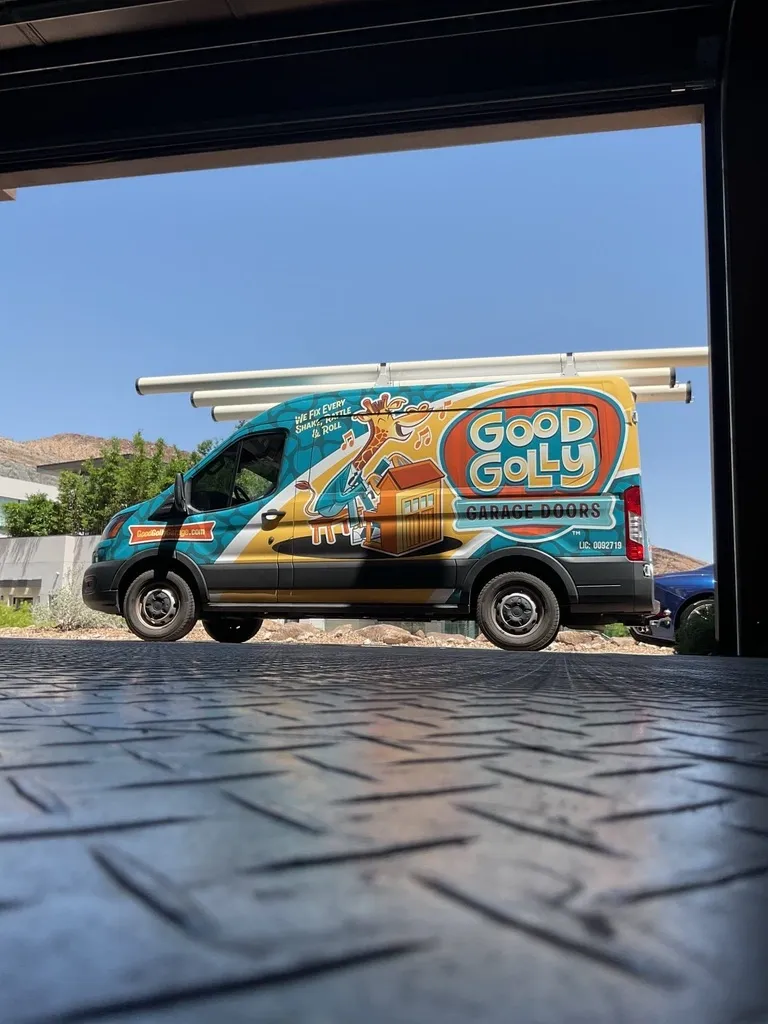
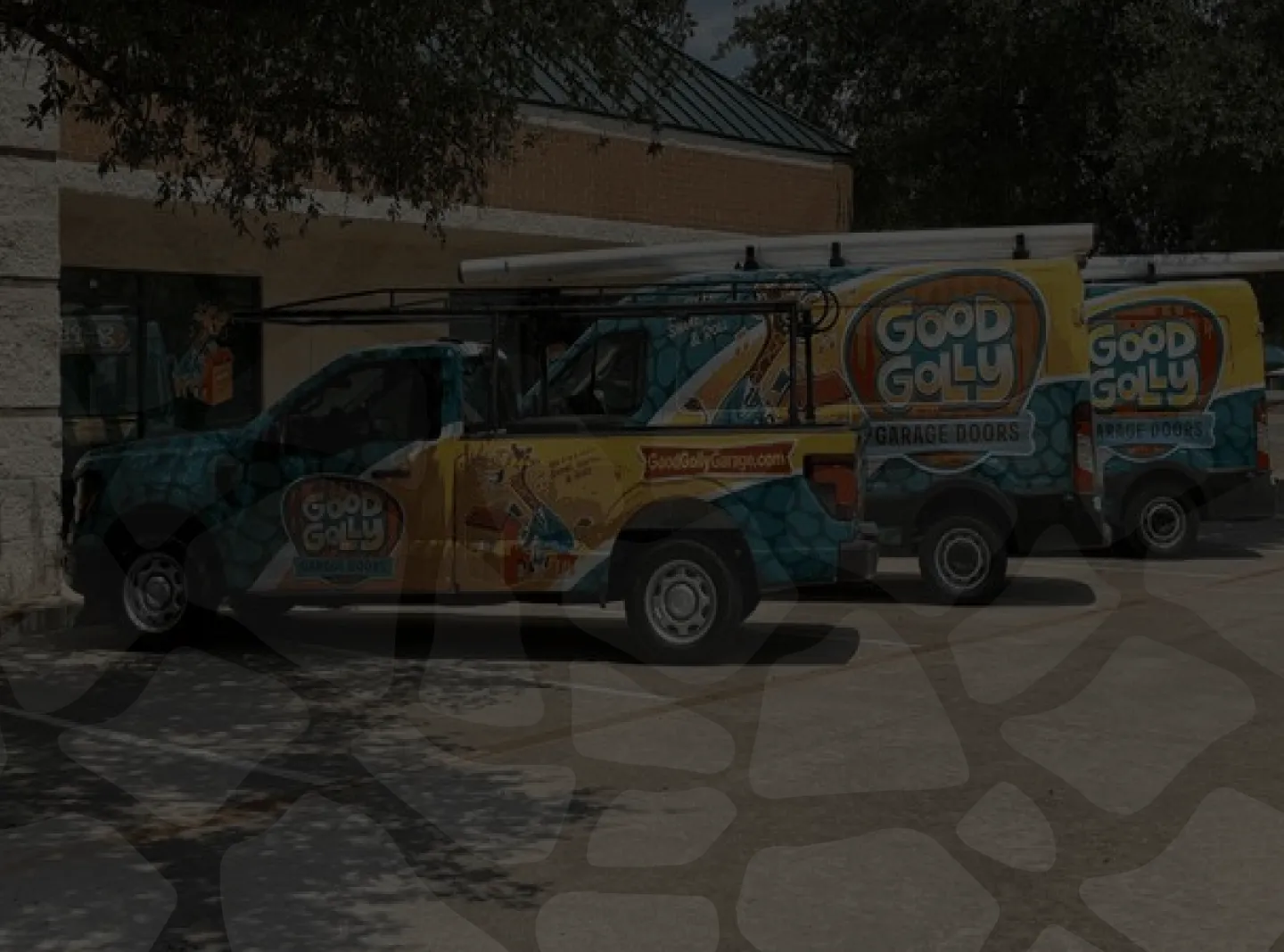
We’re available 24/7 for emergency spring, track, panel, and opener repairs, so you can call anytime for immediate dispatch. Our technicians arrive in clearly marked service vehicles with common replacement parts to stabilize and repair your door safely, often during the same visit. If the door appears unstable or unsafe, keep people and pets clear and allow our licensed and insured team to handle the repair.

[ LOCATIONS ]
FIND ONE OF OUR LOCAL
PEACE OF MIND FROM THE START
Garage Door experts near you