

Why Garage Door Spring Repair Is Too Risky for DIY
To understand why this component demands respect, you have to appreciate the sheer mechanical force coil-bound directly above your vehicle.
The Extreme Mechanics of High-Tension Garage Door Springs
To understand why this component demands respect, you have to appreciate the sheer mechanical force coil-bound directly above your vehicle. Residential garage doors typically weigh anywhere between 150 and 300 pounds, with heavy insulated double doors or carriage-style models easily topping 500 pounds.
Automatic openers do not actually lift all that dead weight on their own. Instead, garage door springs act as massive energy storage devices. By twisting or stretching tight, they generate stored torque that counterbalances the weight of the heavy door panels, making a 300-pound door feel practically weightless when operated manually.
There are two primary systems used in residential homes:
- Torsion Springs: Mounted horizontally on a metal shaft directly above the door frame, these heavy-duty steel coils store energy by twisting tightly as the door closes.
- Extension Springs: Located along the upper horizontal tracks on either side of the door, these extend and contract to counterbalance the door’s movement.
Because these components absorb hundreds of pounds of pull or rotational force, a sudden tension release releases kinetic energy all at once. For a deeper breakdown of these mechanisms, read our detailed article on How Garage Door Springs Work and Why They Break.
Severe Physical Risks and Common Injuries
When hundreds of foot-pounds of torque suddenly slip out of control during a repair attempt, the human body suffers the direct kinetic impact. The injury reports from DIY attempts are soberingly consistent:
- Deep Lacerations: When high-tension steel coil breaks or snaps during adjustment, jagged edges fly at high speeds, leading to severe cuts.
- Broken Bones: Winding bars, pliers, or slipping metal components strike hands, wrists, arms, and faces with enough impact force to fracture bones instantly.
- Concussions and Head Trauma: Striking tools or flying hardware propelled by sudden tension loss frequently hit technicians or homeowners in the head.
- Crushing Injuries: An unsupported 300-pound door falling at terminal velocity can catch hands, feet, or limbs underneath, leading to severe crushing trauma.
Why Garage Door Spring Repair Is Dangerous to DIY Without Proper Tools
A major factor behind severe homeowner injuries is the use of improper equipment. Professional garage door technicians use hardened, solid steel winding bars designed specifically to fit snugly into the winding cone sockets.
Standard household toolboxes simply do not contain safe tools for high-tension springs. Homeowners frequently attempt to improvise using screwdrivers, Allen wrenches, or socket extension bars:
- Screwdriver Risks: Soft steel screwdrivers can bend or shear under immense torsional pressure, instantly transferring stored spring force directly into the user’s hand.
- Socket Wrench Slippage: Standard ratchets do not seat deeply or securely within round winding cone holes. As soon as full mechanical resistance hits the socket, it slips out, causing the spring to unwind rapidly and spin out of control.
Using improvised gear creates an unpredictable environment where tools quickly turn into high-speed projectiles. Review our Garage Door Spring Warning Guide to recognize critical mechanical danger signs before approaching your system.
Primary Mechanical Hazards: Why Garage Door Spring Repair Is Dangerous to DIY
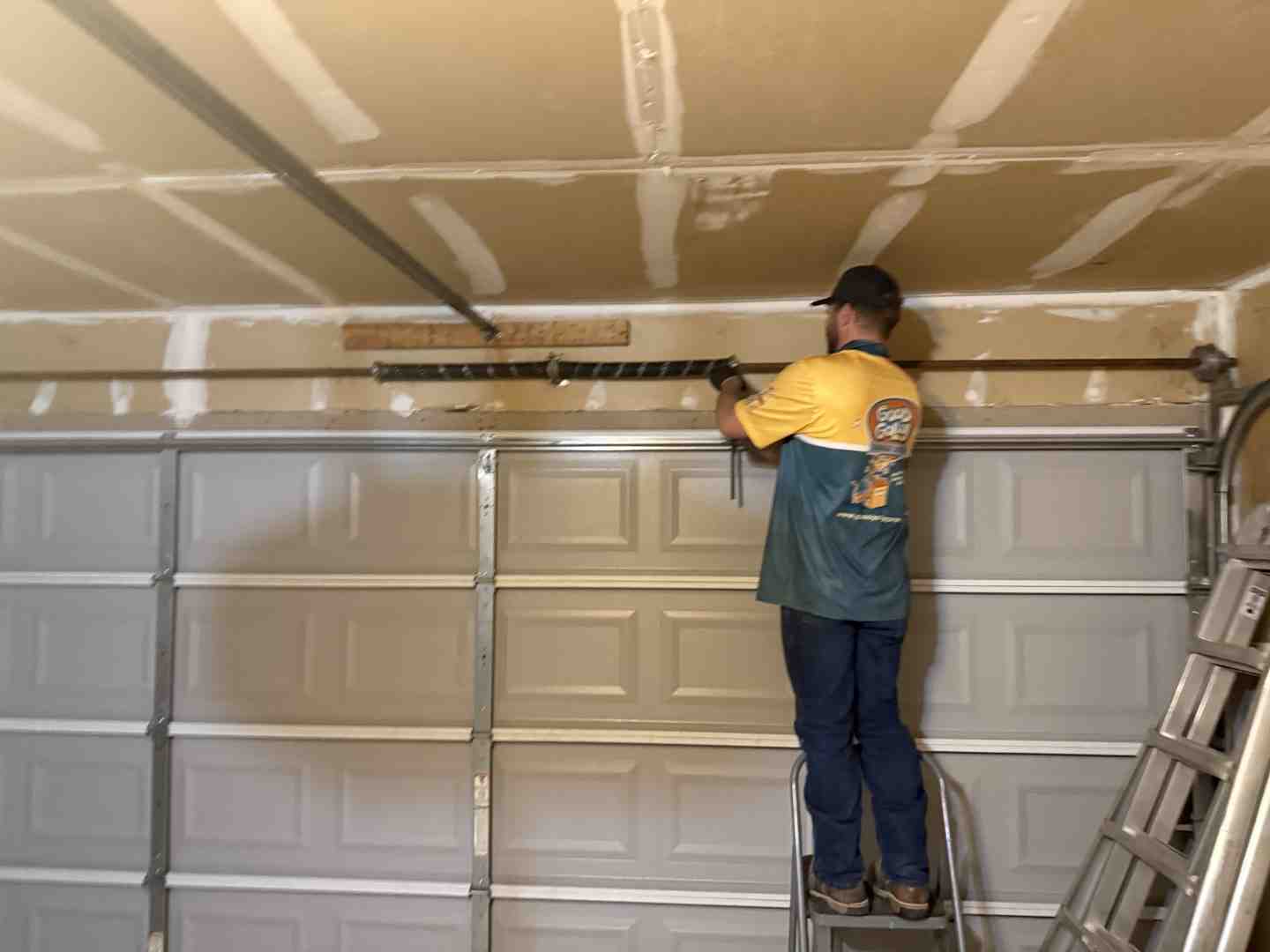
Beyond direct contact with high-tension metal, working on an uncalibrated garage door system unleashes a cascading series of secondary mechanical hazards.
When a spring loses balance, the structural weight distribution shifts immediately. Attempting to force or lift an unbalanced system often leads to bent tracks, crushed rollers, and burned-out automatic opener motors.
Even worse, pulling the red emergency release cord while a door is raised with a broken spring disconnects the opener motor—which may be the only force holding the door up. Disengaging that trolley cord instantly sends hundreds of pounds of metal dropping to the floor.
What Happens When a Garage Door Spring Snaps
Every garage door spring operates on a finite lifespan measured in door cycles (one cycle equals one complete opening and closing movement). Standard builder-grade springs are typically rated for around 10,000 cycles—translating to roughly 6 to 7 years of standard family use. High-cycle replacement springs can endure 25,000 cycles or more, lasting well over 15 years.
When a spring reaches full metal cycle depletion, it fails suddenly:
- The Loud Bang: A snapping spring releases stored kinetic energy all at once, creating a sudden explosive sound similar to a gunshot inside your garage.
- Severed Lift Cables: The immediate loss of tension causes lift cables to jump off their grooves, snap, or wrap violently around the drum shaft.
- Track Damage: The unbalance violently shifts the heavy door panel assembly, twisting vertical tracks out of alignment and jamming rollers inside the channel.
To learn more about cycle ratings and structural component care, explore our Garage Door Springs Complete Guide.
How Weather and Environmental Factors Heighten the Risk
Here in Central Texas, local environmental conditions directly influence steel fatigue and tension reliability. Texas heat, rapid humidity shifts, and intense seasonal storms accelerate rust buildup along coil groves, creating invisible structural weak points.
- Humidity and Rust Fatigue: Moisture binds between tightly wound spring coils, producing hidden surface corrosion. This rust creates friction, causing steel wire to weaken long before reaching its expected cycle life.
- Temperature Extremes: Rapid seasonal temperature swings cause metal to expand and contract. Sudden cold snaps make degraded steel brittle, significantly increasing the risk of sudden snapping under tension during early morning operations.
Learn how seasonal shifts impact your complete assembly in our Garage Door Spring Guide Warmer Weather.
Legal Compliance, Safety Regulations, and Warranty Protection
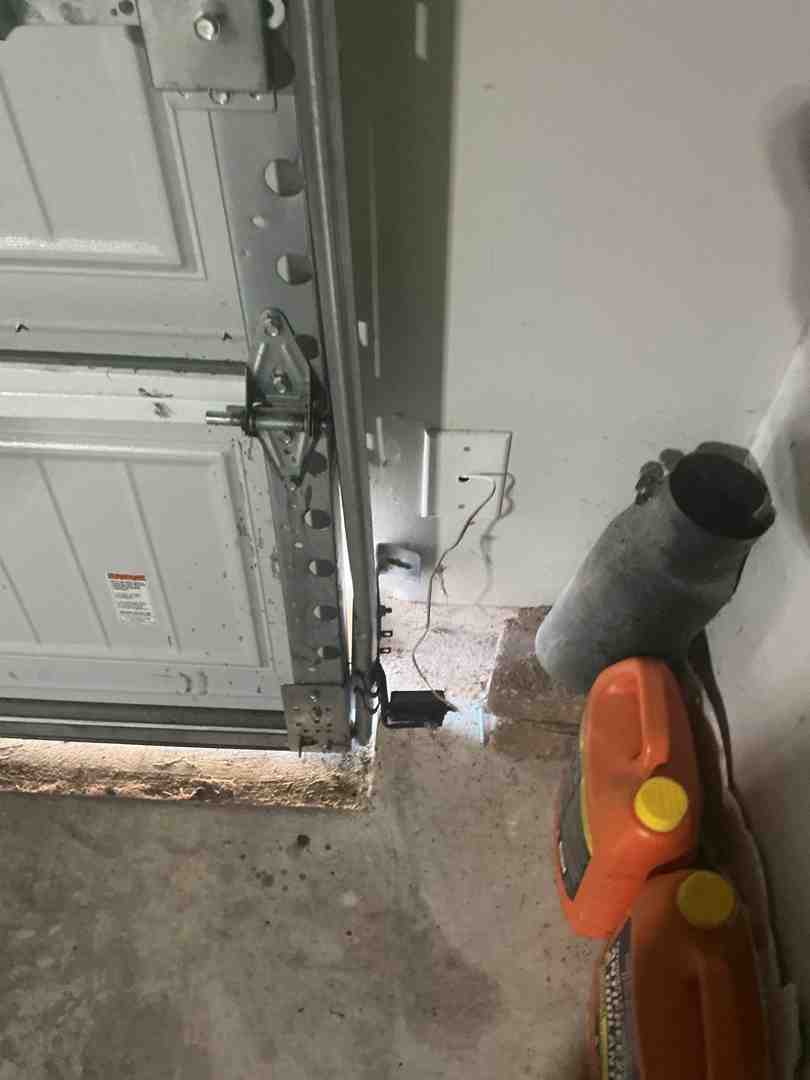
Attempting DIY spring service also carries severe legal and financial consequences. Automatic residential garage door openers manufactured and installed after January 1, 1993, must comply strictly with UL 325 federal entrapment protection standards.
When untrained individuals work around safety sensors, travel limits, or emergency cords, they risk disabling legally required safety features. Bypassing photo-eye sensors or forcing an unbalanced door violates safety codes and creates significant personal liability if an injury occurs on your property.
Furthermore, almost every reputable door manufacturer explicitly states that service must be performed by a experienced technician. Performing unauthorized DIY repairs on spring assemblies typically voids manufacturer warranties across the entire door system, leaving you financially responsible for future structural failures.
Additional Risks in Homeowner Attempts: Why Garage Door Spring Repair Is Dangerous to DIY
When DIYers buy over-the-counter replacement parts, critical operational details are easily missed:
- Wrong Wire Sizing: Installing a spring with incorrect wire thickness, inside diameter, or total coil length alters the lift balance, destroying the motor.
- Improper Winding Turns: Applying too few or too many winding turns prevents the door from opening smoothly or keeping it closed tightly against the threshold.
- Reusing Frayed Cables: Reattaching worn lift cables to a new high-tension spring leads to premature cable snap under tension.
- Standing in the Rotation Path: Working directly in the line of rotation of a winding bar exposes face and torso to immediate injury if a tool slips.
What to Do Immediately After a Spring Breaks
If you hear a sudden bang in the garage or discover your door will not open, take these steps immediately to keep your home and family safe:
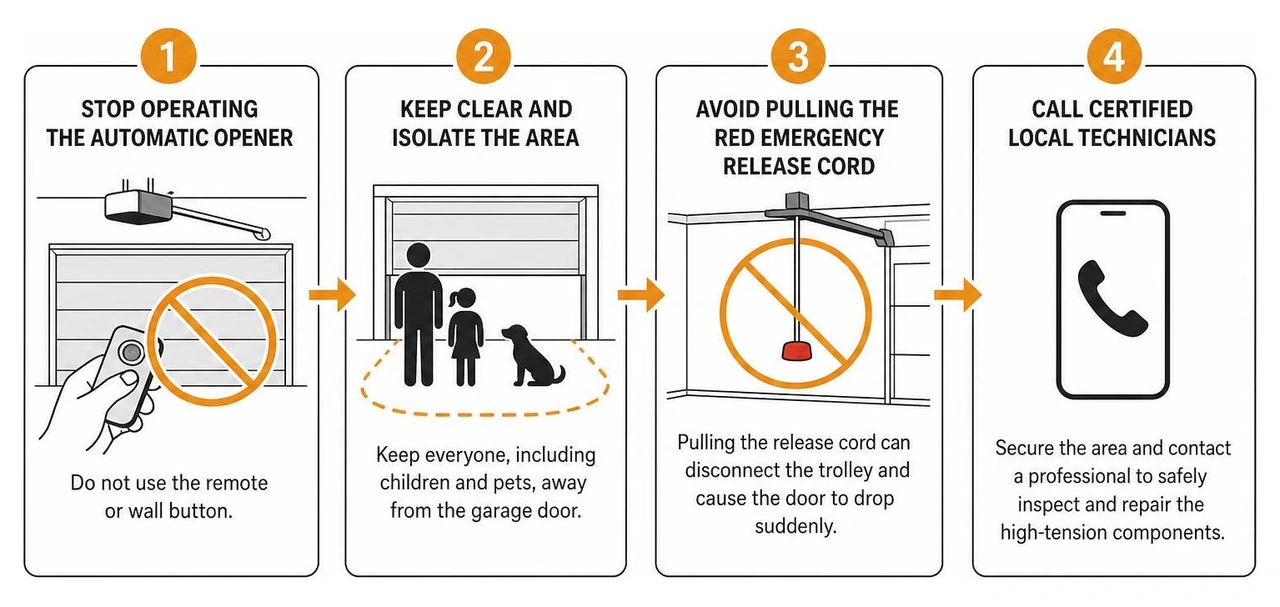
- Stop Operating the Automatic Opener: Do not attempt to force the opener remote or wall button. Trying to lift dead door weight will burn out internal motor gears and bend drive rails.
- Keep Clear and Isolate the Area: Inform family members to stay clear of the garage door. Ensure children and pets are kept far away from the doorway.
- Avoid Pulling the Red Emergency Release Cord: If the door is stuck in an open or partially raised position, pulling the release cord disconnects the trolley, allowing the heavy door to crash down without warning.
- Call Certified Local Technicians: Secure the site and contact a professional garage door service provider to safely handle the high-tension components.
For more specialized insights, read our Pflugerville Homeowners Understanding Your Broken Garage Door Spring guide.
Frequently Asked Questions About Garage Door Spring Dangers
Can I Manually Lift a Garage Door With a Broken Spring?
You should never attempt to manually lift a garage door with a broken spring. Without counterbalance springs supporting the structural weight, you are attempting to deadlift between 150 and 300+ pounds of unassisted steel or solid wood. This creates a severe risk of back injuries, crushed extremities, or having the door slam down unexpectedly.
Why Should Both Springs Be Replaced at the Same Time?
Garage door springs are installed at the same time and endure the exact same number of opening and closing cycles. When one spring breaks from metal fatigue, the companion spring has experienced identical wear and is usually right behind it. Replacing both springs simultaneously ensures balanced lifting force and saves you from paying for a second service call shortly down the road.
How Long Do High-Cycle Replacement Springs Last?
While standard builder-grade springs last around 10,000 cycles (about 6 to 7 years), premium high-cycle replacement springs are rated for 25,000 cycles or more. With typical daily home usage, high-cycle springs regularly last 15 years or longer, providing superior long-term performance and peace of mind.
Conclusion
When it comes to home maintenance, knowing when to put the tools down is just as important as knowing how to use them. Because garage door springs hold massive amounts of mechanical tension, attempting to repair or replace them yourself carries an unnecessarily high risk of severe personal injury, expensive property damage, and voided warranties.
At Good Golly Garage Doors, we believe your safety and peace of mind should always come first. As a licensed, family-owned garage door company, we take pride in delivering fast, friendly, and dependable service rooted in honest Central Texas values. Good Golly Garage Doors provides full-service garage door repair, installation, replacement, opener upgrades, spring repair, maintenance, and reliable same-day and emergency service.
Whether your spring broke unexpectedly during the morning rush or your door needs a comprehensive safety checkup, our expert local technicians are here to help. We proudly serve Austin, TX and nearby communities, including Round Rock, Pflugerville, Cedar Park, Georgetown, Lakeway, and Bee Cave.
Don’t risk your safety on high-tension repairs. Explore our expert Garage Door Spring Repair services today or contact our team to schedule your service!

Need Garage Door Help ASAP?
We answer the phone 24/7 for emergency spring, track, panel, and opener repairs, so you can reach a real person any time. Our technicians arrive in clearly marked service vehicles carrying common replacement parts, and most jobs can be completed the same day. If the door appears unstable or unsafe, keep people and pets clear and let our team handle the repair.