

Residential Garage Door Installation in Liberty Hill, TX
Explore professional garage door installation in Liberty Hill, TX for enhanced security and efficiency. Contact us now for expert service and reliable installations!
Dealing With an Unreliable or Damaged Garage Door?
If you are facing issues with your garage door not functioning properly, you are not alone. Our team can quickly restore access and security to your Liberty Hill, TX home with prompt, professional installation services. Contact us today to schedule an immediate site assessment and installation estimate.
- Fast response times with same-day service availability to secure your home immediately.
- Expert installation ensuring seamless operation, correct track alignment, and aesthetic appeal.
- Comprehensive warranties on parts and labor for long-term peace of mind.
All installations comply with local codes, backed by extended warranties and competitive financing options.
What to Expect From Professional Installation Services
A garage door is the largest moving object in your home and a primary entry point. When it fails, or when it is time for an upgrade, the goal is to transition from a broken or outdated system to a fully secure, high-performance unit with zero downtime. You need a solution that addresses structural integrity, insulation needs, and operational safety without dragging on for weeks.
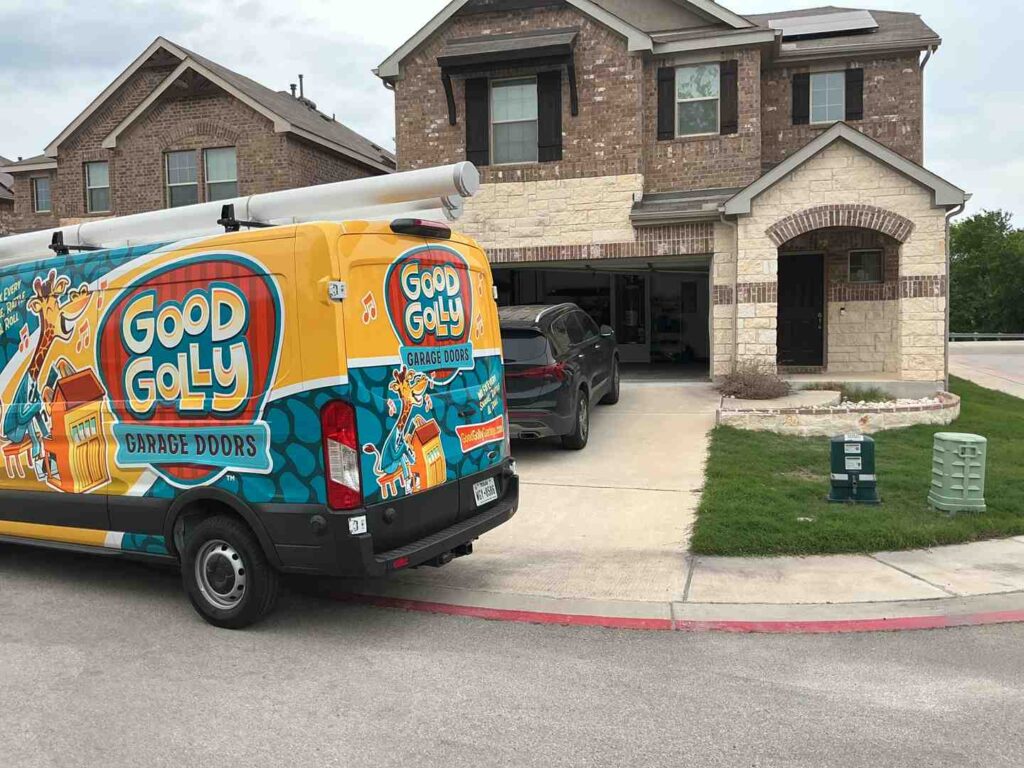
Modern residential garage door installation involves more than just hanging panels. It requires a comprehensive assessment of your garage opening, headroom, and backroom to ensure the new system operates without obstruction. Service includes the removal and disposal of your old unit, inspection of the framing for rot or damage, and the precise installation of tracks, springs, and openers.
Homeowners receive a turnkey solution. This includes high-cycle torsion springs designed to last for years, heavy-duty steel tracks, and weather-sealing perimeter stripping to protect against the elements. Whether you are installing a standard raised-panel steel door or a custom carriage house design, the focus remains on safety, durability, and restoring the functionality of your home immediately.
The Installation Process: From Assessment to Operation
Replacing a garage door is a construction project that requires strict adherence to safety protocols and manufacturer specifications. Professional technicians follow a systematic approach to ensure every component functions in harmony.
Site Measurement and Selection
The process begins with precise measurements of the rough opening, side room, and headroom. This step determines whether standard track configurations work or if low-headroom hardware is required. You select the material, style, and insulation level based on your specific needs and budget.
Removal of Existing Hardware
Technicians carefully release the tension from the old spring system—the most dangerous part of the job—before dismantling the panels and tracks. All debris and old hardware are hauled away, leaving a clean workspace for the new installation.
Preparing the Framework
The wooden door jambs are inspected. If the wood is solid, weather stripping is applied to the perimeter. This seal is vital for preventing moisture ingress and maintaining the internal temperature of the garage.
Installing the Track and Panels
New vertical and horizontal tracks are bolted into the framing. Panels are stacked and hinged together one by one. Rollers are inserted into the tracks to guide the door smoothly. Leveling is checked at every stage to prevent binding or uneven operation.
Spring System Assembly
The torsion spring assembly is mounted above the header. This system bears the weight of the door. The springs are wound to a specific tension calculated by the door’s weight and size. Cables are attached to the bottom brackets and the drums, ensuring the door lifts evenly.
Opener Integration and Safety Testing
If a new opener is part of the installation, the motor head and rail are mounted to the ceiling. The trolley arm is connected to the door. Once connected, the system undergoes rigorous testing. Technicians adjust force settings and test the photo-eye safety sensors to ensure the door reverses automatically if an obstruction is detected.
When Replacement Beats Repair
Deciding between repairing an existing door and investing in a new installation is a common dilemma. While many minor issues like broken rollers or frayed cables are easily fixable, there are specific scenarios where replacement is the more financially sound and safe choice.
Catastrophic Structural Damage
If a vehicle has backed into the door, or if storms have warped multiple panels, the structural integrity of the system is compromised. Replacing multiple panels can often cost nearly as much as a brand-new system, without the benefit of new hardware and warranties.
Recurring Mechanical Failures
If you find yourself calling for service every few months for different issues—springs one month, opener the next, off-track issues later—the system has likely reached the end of its useful life. Constant repairs drain your budget; a new installation resets the clock.
Lack of Safety Features
Older doors often lack modern safety mechanisms, such as bottom seal sensors or pinch-resistant panels. If your current system does not have working photo-eye sensors or auto-reverse functions, it poses a significant liability and safety risk to family and pets.
Energy Efficiency Gaps
Older, uninsulated wood or single-layer steel doors offer zero thermal protection. If you use your garage as a workspace or if it is attached to living areas, a new insulated door can significantly lower energy bills and improve comfort.
Critical Considerations for Liberty Hill Homeowners
Installing a garage door in Central Texas requires attention to specific environmental factors. The local climate and weather patterns dictate which materials and features will provide the best longevity and performance.
Heat and Humidity Resistance
Summers in this region frequently see temperatures exceeding 90°F, often reaching triple digits. A garage door faces the brunt of this solar heat gain. Choosing a door with high-density polyurethane insulation is not just about keeping the garage warm in winter; it is essential for keeping heat out during the summer. Steel doors with a high R-value prevent the garage from becoming a superheated oven, which protects your vehicle’s battery and any stored chemicals or paints.
Wind Load and Storm Protection
Spring brings the risk of severe thunderstorms and high winds. Standard doors may buckle under heavy wind loads, leading to total failure and potential damage to the roof structure. Installations must meet local wind load building codes to ensure the door remains secure during turbulent weather. Reinforced struts and heavy-gauge steel are recommended upgrades.
Moisture and Rust Prevention
High rainfall in May and humid conditions year-round can accelerate rust on low-quality hardware. Professional installation includes the use of galvanized steel tracks and hinges, as well as nylon rollers that resist corrosion better than steel rollers.
HOA and Permitting Compliance
Many neighborhoods in the area have strict Homeowners Association (HOA) guidelines regarding exterior appearance. New installations must often match specific color palettes or styles. Additionally, professional installers handle the verification of necessary permits to ensure the renovation complies with municipal regulations, avoiding fines or resale complications later.
Material Selection: Steel, Wood, and Composites
The material of your garage door defines its durability, maintenance requirements, and curb appeal.
Steel
The most popular choice for residential applications due to its strength and low maintenance. Steel doors are available in single, double, and triple-layer construction. Triple-layer doors (steel + insulation + steel) offer the best durability and soundproofing. They are resistant to warping and cracking, making them ideal for the Texas climate.
Wood
Wood offers unmatched natural beauty and customization. However, it requires regular staining or painting to prevent rot and sun damage. In a hot, humid climate, wood demands significant upkeep. It is a heavy material, requiring robust springs and openers.
Composite and Faux Wood
For homeowners who want the look of wood without the maintenance, composite overlays on steel bases are the solution. These materials are molded to mimic wood grain but are impervious to moisture, rot, and insects. They withstand the intense sun without fading as quickly as natural wood.
Aluminum and Glass
Modern homes often utilize aluminum frames with glass panels. These are rust-resistant and allow natural light into the garage. However, they provide less insulation than foam-filled steel doors and may not be suitable for garages facing direct afternoon sun due to the greenhouse effect.
Understanding Spring Cycles and Lift Mechanics
The lifespan of your installation is largely determined by the spring system. Standard builder-grade installations often use springs rated for 10,000 cycles. A cycle is one full open-and-close operation. For a home where the garage is the main front door, 10,000 cycles might only last 3 to 5 years.
High-cycle springs, often rated for 20,000 to 50,000 cycles, are a superior investment. Good Golly Garage Doors prioritizes the use of high-cycle springs in replacement scenarios to extend the time between service calls.
Furthermore, the lift mechanism—whether chain, belt, or direct drive—affects noise levels.
- Chain Drive: Reliable and affordable but noisy. Best for detached garages.
- Belt Drive: Reinforced with steel or fiberglass, these are whisper-quiet and ideal for attached garages with bedrooms above.
- Direct Drive: The motor moves along the rail. With only one moving part, these are extremely durable and quiet.
Why Professional Installation is Non-Negotiable
Attempting a DIY garage door installation is one of the most dangerous home improvement projects a homeowner can undertake. The torsion springs operate under immense tension, capable of inflicting severe injury or death if mishandled. Additionally, a door that is not perfectly balanced will put excessive strain on the opener, burning out the motor prematurely.
Professional technicians arrive with the specialized tools required to wind springs safely, cut tracks to precise lengths, and troubleshoot low-headroom situations. They ensure the door is balanced so that it can be lifted manually with one hand—a critical safety test. If the door falls when released halfway, it is dangerous.
Beyond safety, professional installation guarantees that the warranty remains valid. Manufacturers often void warranties if the product is not installed by a certified professional. By choosing a reputable service provider, you ensure that both the product and the workmanship are protected.
Securing Your Home Investment
A new garage door delivers the highest return on investment of almost any home improvement project. It instantly boosts curb appeal and secures the largest opening in your house. Whether you are dealing with a breakdown or upgrading for energy efficiency, the installation quality determines the system’s longevity.
Do not wait until a minor issue becomes a major security breach. Ensure your home is protected against the heat, the storms, and the unexpected. Contact Good Golly Garage Doors to schedule your consultation and secure your home with a reliable, professional installation today.
Proudly Serving Austin, TX, and Surrounding Areas
From the neighborhoods of Austin to Round Rock and Buda, we provide the best garage door services you can find across the area. Whether it’s the impact of Texas heat and sudden storms on garage door components, we ensure our solutions are tailored to your needs. Wherever you are, Good Golly Garage Doors is ready to deliver.
View All Cities
 All Service Areas