

Preventive Garage Door Maintenance in Cullman, AL
Avoid garage door issues in Cullman with our preventive maintenance services. Schedule a comprehensive tune-up today to ensure smooth operation through all seasons.
Ensure Your Garage Door Lasts Through Every Season
Preventive maintenance helps reduce unexpected breakdowns, extend equipment life, and maintain safe operation throughout the year. Good Golly Garage Doors offers professional garage door maintenance services designed to keep your system operating smoothly despite humidity, temperature shifts, and regular daily use. Contact our team to schedule a tune-up or ask about maintenance plan options.
A garage door is the largest moving system in your home and a critical access point. Minor noises, delayed movement, or uneven operation often indicate developing mechanical issues. Without regular maintenance, these small concerns can progress into system failure that disrupts access or creates safety risks. Good Golly Garage Doors provides preventive maintenance focused on early detection, proper adjustment, and long-term reliability.
- Scheduled garage door tune-ups focused on safety and performance.
- Maintenance plans designed to support year-round operation.
- Service performed by trained, licensed, and insured technicians.
- Clear recommendations based on system condition and usage.
What Is Included in a Comprehensive Tune-Up
A maintenance visit is not a quick visual check. It is a hands-on inspection and adjustment of the entire garage door system. Daily operation causes vibration, loosens hardware, and alters spring tension over time. A professional tune-up restores proper alignment, balance, and lubrication to support safe, efficient operation.
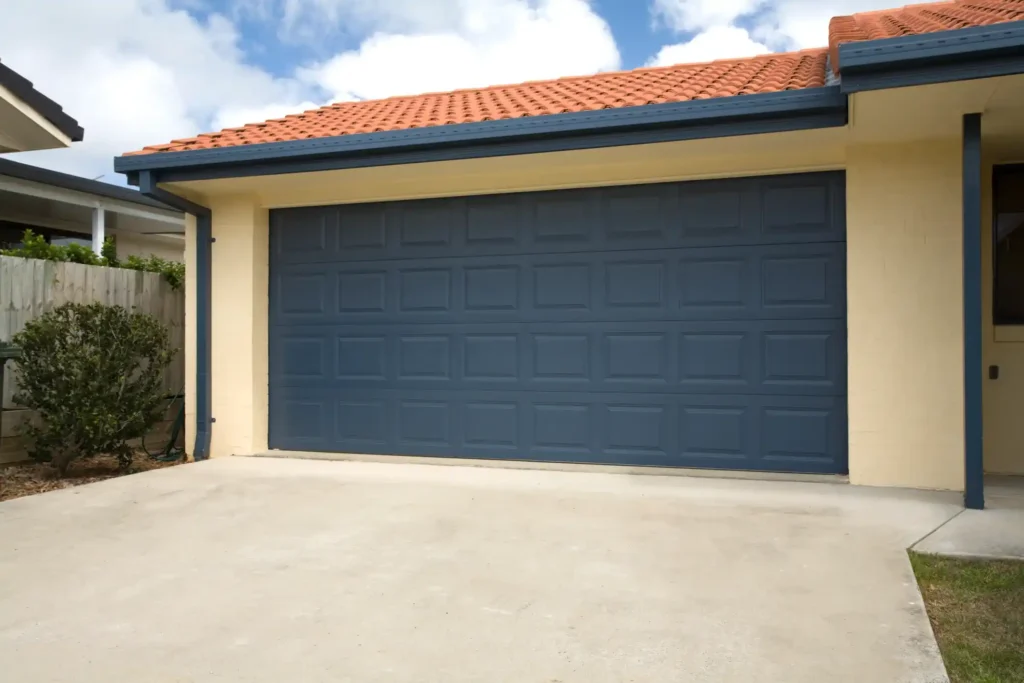
Hardware Tightening and Inspection
Every garage door system relies on a complex network of hinges, brackets, and bolts. Vibration from the door moving up and down naturally loosens these fasteners over time. A single loose hinge can cause a panel to sag, leading to friction in the track and eventual derailment.
- Techs inspect and tighten all roller brackets and bolts.
- Hinges are checked for stress cracks or separation.
- The track is aligned to ensure the door travels vertically without resistance.
- Lag screws securing the track to the wall framing are verified for stability.
Lubrication of Moving Parts
Friction accelerates wear and increases noise when parts are not properly lubricated.
- Rollers are lubricated to ensure smooth travel.
- Hinges are treated to prevent binding between door sections.
- Springs are lubricated to reduce friction between coils and limit corrosion.
- Bearing plates are serviced to promote smooth rotation.
Safety Feature Testing
Modern garage doors are equipped with safety reversal systems to protect people and pets. These sensors can become misaligned or the motor’s force settings can drift, causing the door to close when it should reverse.
- Photo-eye sensors are cleaned and realigned to ensure an invisible beam protects the opening.
- The mechanical reversal system is tested by placing an object in the door’s path.
- Force settings on the opener are adjusted so the door stops and reverses if it encounters resistance.
Spring and Cable Analysis
The counterbalance system, comprised of springs and cables, lifts the weight of the door. If these are out of balance, the opener motor has to work harder, leading to premature motor failure.
- Technicians disconnect the opener to test the door’s manual balance.
- Torsion or extension springs are adjusted to ensure the door lifts with minimal effort.
- Lift cables are inspected for fraying or signs of corrosion, which are common precursors to snapping.
The Maintenance Process: Step-by-Step
Understanding how a maintenance appointment flows helps homeowners prepare and know what to expect. The process is designed to be efficient, thorough, and non-intrusive, focusing on restoring the door’s functionality.
- Initial System Diagnosis: The technician begins by operating the door to listen for irregularities. Grinding, squealing, or rattling noises provide clues about where the friction points are located. The technician also checks the door’s cycle count to estimate the remaining life of the springs.
- Balance Verification: The door is released from the automatic opener and operated manually. A properly balanced door should stay halfway open without falling or shooting up. If the door feels heavy, the springs require tension adjustment. If it drifts up, the tension is too high.
- Component Tightening and Alignment: Starting from the tracks and moving inward, the technician tightens every bolt. The track spacing is measured to ensure it is parallel; if the tracks are too tight against the door, it causes binding. If they are too loose, the door can fall out.
- Opener Calibration: The focus shifts to the motor. The chain or belt drive is tightened to prevent slack. Travel limits are set so the door seals firmly against the floor without bowing the rail, and opens fully without hitting the stop bolt.
- Seal and Weatherstripping Review: The bottom rubber seal and perimeter weatherstripping are checked for brittleness or tears. In Cullman, maintaining a tight seal is vital for keeping out moisture and pests.
- Final Safety Check and Report: After all adjustments, the safety sensors are tested one last time. The technician then provides a detailed report of what was adjusted and notes any parts that are nearing the end of their lifecycle, allowing you to plan for future replacements rather than reacting to emergencies.
When to Repair vs. When to Replace
Preventive maintenance extends the life of a door, but there comes a point where investing in an old system yields diminishing returns. Knowing the difference between a door that needs a tune-up and a system that requires replacement saves money in the long run.
Signs Maintenance is Sufficient
- The door is less than 10 years old and the panels are structurally sound.
- The issue is strictly noise-related (squeaking or minor rattling).
- The door moves a little slowly but ultimately functions correctly.
- A specific part, like a single hinge or roller, is broken, but the rest of the system is intact.
- The weatherstripping is worn, but the retainer holding it is in good shape.
Signs Replacement is Necessary
- Severe Rust or Corrosion: If the bottom section of a steel door is rusted through, it compromises the structural integrity. No amount of painting or patching will restore the strength required to support the door’s weight.
- Wood Rot: For wood carriage doors, rot that has penetrated the frame cannot be tuned up. It requires extensive carpentry or a full replacement to prevent the door from falling apart.
- Compromised Panels: If a car has hit the door or storm damage has bent multiple sections, the tongue-and-groove system may no longer interlock correctly. This prevents the door from sealing and creates safety hazards.
- Frequent Breakdowns: If you are calling for repairs multiple times a year for different components, the total cost of ownership is exceeding the cost of a new system.
Why Professional Maintenance Matters
Attempting DIY maintenance on garage doors poses significant safety risks. The torsion spring system is under extreme tension; enough to lift a 300-pound object. Mishandling these components without the proper winding bars and training can result in severe injury. Professional technicians possess the tools and expertise to adjust these high-tension parts safely.
Furthermore, professionals spot “invisible” problems. A hairline crack in a hinge or a fraying cable core is easily missed by an untrained eye but is obvious to a specialist. Identifying these issues before they fail transforms a potential emergency into a simple, scheduled repair.
Efficiency and Noise Reduction
A well-maintained door is a quiet door. The clanking and grinding often associated with garage doors are not normal; they are signs of friction. By aligning the tracks and lubricating the rollers, a professional tune-up can significantly reduce the decibel level of the door’s operation. This is particularly important for homes with living spaces directly above or adjacent to the garage.
Energy Efficiency
For insulated garage doors, the R-value is only effective if the seals are tight. If the door is misaligned, gaps form between the sections or against the stop molding, allowing conditioned air to escape and humid outdoor air to enter. Correcting the alignment and replacing worn seals helps maintain the thermal boundary of the home, potentially lowering energy costs.
Secure Your Garage Today
Delaying maintenance often results in the inconvenience of a door that won’t open when you need to leave for work, or worse, a door that won’t close, leaving your home exposed. The small investment in a preventive tune-up pays dividends in extended equipment life, safety, and peace of mind.
Do not wait for a breakdown to think about your garage door. Ensure your system is balanced, lubricated, and safe for your family; contact us today.
Schedule your preventive maintenance inspection now.
Proudly Serving Decatur, AL, and Surrounding Areas
We provide the best garage door services you can find across Decatur, AL. Whether it’s the impact of Decatur’s heat and sudden storms on garage door components, we ensure our solutions are tailored to your needs. Wherever you are, Good Golly Garage Doors is ready to deliver.
Call (256) 686-4010 All Service Areas