

Flashy Hero Title Second Line
Is Your Outdated Garage Door Failing to Secure Your Home?
A garage door that refuses to close properly or grinds loudly during operation creates immediate security risks and daily frustration for homeowners. If you are dealing with inconsistent operation or visible damage, contact us to schedule your new installation estimate and restore safety to your property.
Is your garage door refusing to close properly, or making too much noise every time you use it? You might be due for a new, smooth-operating garage door installation. When Good Golly Garage Doors arrives at your Austin home, we address these mechanical failures directly, replacing worn-out systems with modern, reliable infrastructure.
- Enjoy peace of mind with same-day installation services.
- Reduce energy costs with high-quality, insulated doors.
- Get expert installation by certified technicians with years of experience.
All installations are fully licensed, adhering to local building codes, and come with a comprehensive warranty.
What to Expect From a Professional Installation Service
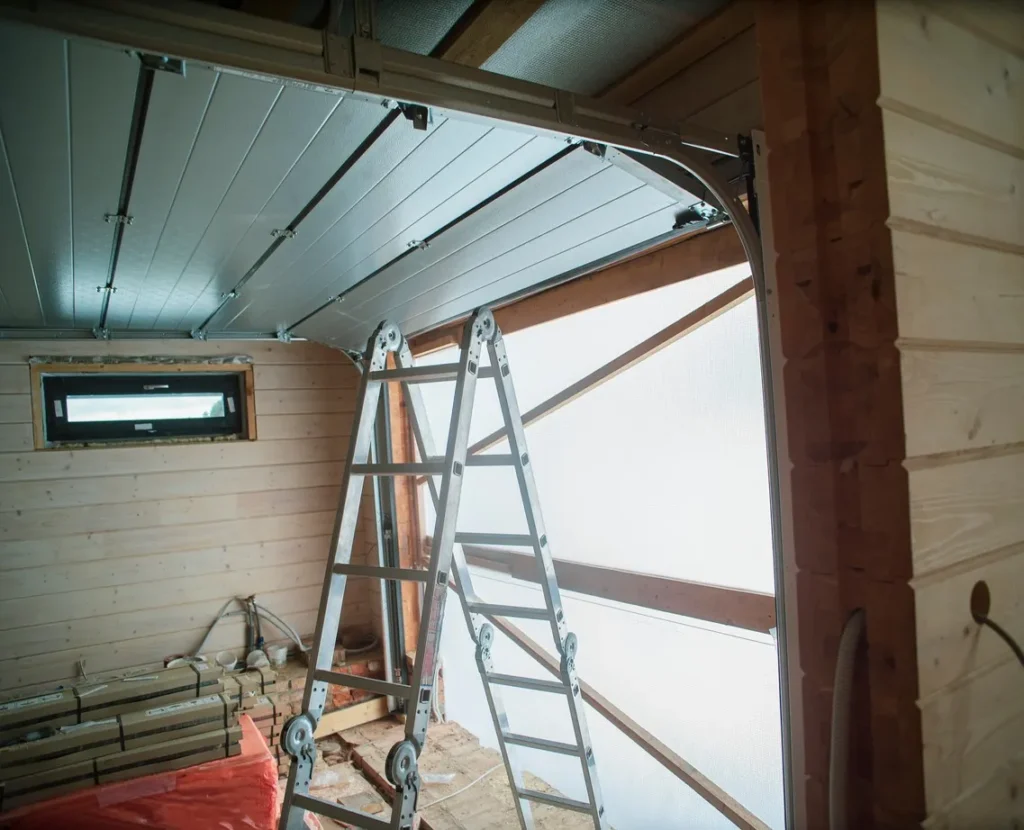
Choosing a new garage door involves more than simply picking a color; it requires a complete overhaul of the mechanical system that lifts the heaviest moving object in your home. A full-service installation includes the removal and disposal of the existing door, track alignment, torsion spring tensioning, and the integration of a new opener system.
Homeowners in the Austin area often overlook the importance of the hardware accompanying the panels. A new installation package typically covers heavy-duty steel tracks, nylon or steel rollers for quieter operation, and high-tensile cables designed to withstand thousands of cycles. Modern systems also prioritize thermal efficiency. Given the local climate, selecting a door with the correct insulation properties is a standard part of the scope.
The timeline for this service is designed to minimize disruption. Because a garage often serves as the primary entry point for the home, technicians prioritize efficiency without sacrificing safety. Most standard installations are completed within a single day. This rapid turnaround ensures that your home is never left vulnerable overnight. The service includes a full demonstration of the new system, programming of remotes and keypads, and a final safety inspection to verify that all auto-reverse mechanisms are functioning correctly according to federal safety standards.
Material Selection and Durability
Part of the installation scope involves selecting the right material for longevity. The choice of material dictates maintenance requirements and resistance to the elements.
- Steel: The most popular choice for residential properties due to its strength and low maintenance. Steel doors are often galvanized to prevent rust and can be painted to match home exteriors. They are available in various gauges, with lower gauge numbers indicating thicker, more durable steel.
- Wood: Offers a classic, high-end aesthetic that adds significant curb appeal. However, wood requires regular staining or painting to prevent rot and warping, especially in humid conditions.
- Composite: Constructed from recycled wood fibers and resins, composite doors offer the look of wood with the durability of steel. They are resistant to rot and do not crack or split, making them a solid middle-ground option.
- Aluminum and Glass: These doors provide a modern, contemporary look and allow natural light into the garage. While aluminum is rust-resistant, these doors generally offer lower insulation values compared to foam-injected steel options.
The Step-by-Step Installation Process
A professional installation follows a strict protocol to ensure the structural integrity of the door and the safety of the household. Attempting to install a garage door without professional training can lead to serious injury due to the extreme tension held in the spring systems.
The process begins with a precise evaluation of the garage opening.
- First, technicians conduct a site assessment. This involves measuring the width and height of the rough opening, the side room (space on the sides of the door), and the headroom (space above the door). They also check the backroom depth to ensure the opener rail fits comfortably.
- Next, the existing door and hardware are dismantled. This includes releasing the tension on the old springs—a dangerous step that requires specialized tools—and removing panels, tracks, and the opener. All debris is cleared to prepare the workspace.
- Then, the new vertical and horizontal tracks are installed. These tracks must be perfectly leveled and plumb. Even a slight misalignment here can cause the door to bind or derail later.
- Following the track setup, the door panels are stacked and hinged together. If the door is insulated, weather stripping is applied between sections to create a thermal seal. Rollers are inserted into the track and attached to the panels.
- After the panels are set, the torsion or extension spring system is installed and tensioned. This is the critical mechanism that counterbalances the weight of the door, allowing it to be lifted manually or by the opener. The cables are wound onto drums and secured.
- Subsequently, the garage door opener is mounted and connected to the door arm. Technicians wire the safety sensors (photo-eyes) near the floor and the wall console.
- Finally, a comprehensive safety test is performed. This involves testing the balance of the door (it should stay halfway open without falling or shooting up) and verifying the force settings on the opener. The “reversal test” ensures the door automatically reverses if it encounters an obstruction.
Deciding Between Repair and Full Replacement
Homeowners often hesitate between repairing an existing unit or investing in a full replacement. While minor issues like a misaligned sensor or a single broken hinge are repairable, structural failures and age often dictate a full replacement.
Making the right decision depends on long-term cost and functionality.
- Severe Structural Damage: If a vehicle has backed into the door, or if high winds have bent the sections, structural integrity is compromised. Bent panels cannot be seamlessly repaired; they jeopardize the alignment of the entire system. In this case, replacement is the only safe option.
- Age of the System: Most garage doors have a lifespan of 15 to 30 years, depending on usage and maintenance. If the door is approaching the two-decade mark and requires frequent repairs, the cost of cumulative fixes will quickly exceed the price of a modern, new installation.
- Lack of Safety Features: Older doors may lack current safety mandates, such as infrared safety sensors or pinch-resistant panels. If the current system does not automatically reverse when an object blocks the path, it is a safety hazard that warrants immediate replacement.
- Energy Inefficiency: Older, single-layer steel or wood doors often lack insulation. If the garage is attached to the house, this creates a thermal leak, forcing the HVAC system to work harder. Replacing an uninsulated unit with a triple-layer, polyurethane-insulated door significantly improves energy efficiency.
- Excessive Noise: While some noise can be mitigated with lubrication and nylon rollers, grinding or screeching sounds often indicate worn-out tracks and fatigue in the opener motor. A new installation provides a reset, utilizing quieter belt-drive openers and vibration-dampening hardware.
Regional Considerations for Your Installation
Installing a garage door in this region requires specific attention to environmental factors and local regulations. The specific climate conditions dictate the type of hardware and insulation necessary for a durable installation.
Handling Heat and Humidity
The local climate is characterized by high humidity and hot summers. This thermal intensity affects the garage environment significantly.
- Insulation Requirements: An uninsulated garage door acts as a conductor, transferring outside heat directly into the garage. This can raise the temperature inside the garage to dangerous levels, damaging stored items like paint, chemicals, or car electronics. High R-value insulation (polyurethane or polystyrene) is essential to block this heat transfer.
- Moisture Protection: High humidity can accelerate rust on steel components and rot on wood doors. Installations in this area typically utilize galvanized steel hardware and powder-coated springs to resist corrosion. If a wood door is selected, it must be properly sealed on all six sides to prevent moisture absorption and warping.
Permits and HOA Compliance
Construction and renovation projects, including garage door replacements, must adhere to local building standards.
- Building Codes: Professional installers manage the permitting process to ensure the new door meets wind load requirements. Although this is not a coastal hurricane zone, sturdy construction is required to withstand severe storms that occasionally pass through the area.
- HOA Guidelines: Many neighborhoods operate under strict Homeowners Association rules regarding exterior appearance. This can limit color choices, window styles, and materials. It is vital to check specific neighborhood covenants before ordering a door to avoid fines or forced removal.
- Utilities and Structure: Older homes in the area may have non-standard framing or electrical wiring that requires modification to support modern openers. Installers assess the header structural integrity to ensure it can support the torsion spring assembly safely.
Technical Differentiators in Professional Service
The difference between a basic installation and a high-performance installation lies in the details of the workmanship and the quality of the components used. While big-box stores may offer generic kits, a dedicated service provider ensures that every component is rated for the specific weight and cycle life of the door.
Precision Balancing
A perfectly balanced door effectively weighs nothing when moved manually. If a door is “heavy” or drops when lifted halfway, the springs are not tensioned correctly to the door’s specific weight. Professional installers calculate the exact inch-pounds of torque required for the drums and springs, ensuring the opener does not undergo unnecessary strain. This precision extends the life of the opener motor significantly.
High-Cycle Springs
Standard builder-grade springs are often rated for 10,000 cycles. For a family using the door as the main entrance, this might only last a few years. Higher quality installations utilize high-cycle springs rated for 25,000 to 50,000 cycles, providing years of additional service before a spring replacement is needed.
Opener Integration
Modern installations often involve integrating smart technology. Wi-Fi-enabled openers allow homeowners to monitor and control their garage door via smartphone apps. This feature provides alerts if the door is left open and allows for remote access for deliveries. Technicians ensure these systems are paired correctly with home networks and that wall consoles are placed at the ADA-compliant height of five feet to prevent small children from reaching the controls.
Schedule Your Installation Now
Good Golly Garage Doors focuses on these technical nuances to deliver a system that operates silently and reliably. By adhering to strict installation protocols and utilizing superior hardware, the risk of premature failure is virtually eliminated. Upgrading your garage door improves home security, enhances curb appeal, and increases energy efficiency. If your current system is failing, waiting often leads to more expensive emergency repairs later. Take action to secure your home with a professional installation that meets all local codes and climate requirements. Contact our team immediately to schedule your comprehensive estimate and get your garage door project started.
 All Service Areas