

Garage Door Tune Up in Henderson, NV
Garage door tune up in Henderson NV from Good Golly Garage Doors improves function, reduces noise and catches issues early. Call today to book service.
Is Your Garage Door Operating Unreliably or Making Strange Noises?
Is your garage door shuddering, screeching, or refusing to close completely? Our comprehensive garage door tune-up service in Henderson, NV restores system balance and functionality, preventing minor annoyances from turning into expensive failures. Schedule your system inspection and tune-up today to secure your home access immediately.
- Ensure safe and smooth operation with our rigorous 21-point safety inspection and adjustment protocol.
- Extend the lifespan of your garage door components by reducing friction and wear caused by the harsh desert environment.
- Experience rapid and reliable service with availability that fits your schedule, ensuring you aren’t left with an unsecured home.
All services are performed by certified technicians with a commitment to quality, safety, and efficiency.
What You Get Today: Comprehensive Tune-Up and Inspection
A garage door is the largest moving object in your home, relying on a complex interplay of tension, balance, and electrical signals. When we perform a tune-up, we are not simply looking at the door; we are systematically resetting the entire mechanism to factory specifications. Good Golly Garage Doors approaches every maintenance call with a focus on longevity and safety.
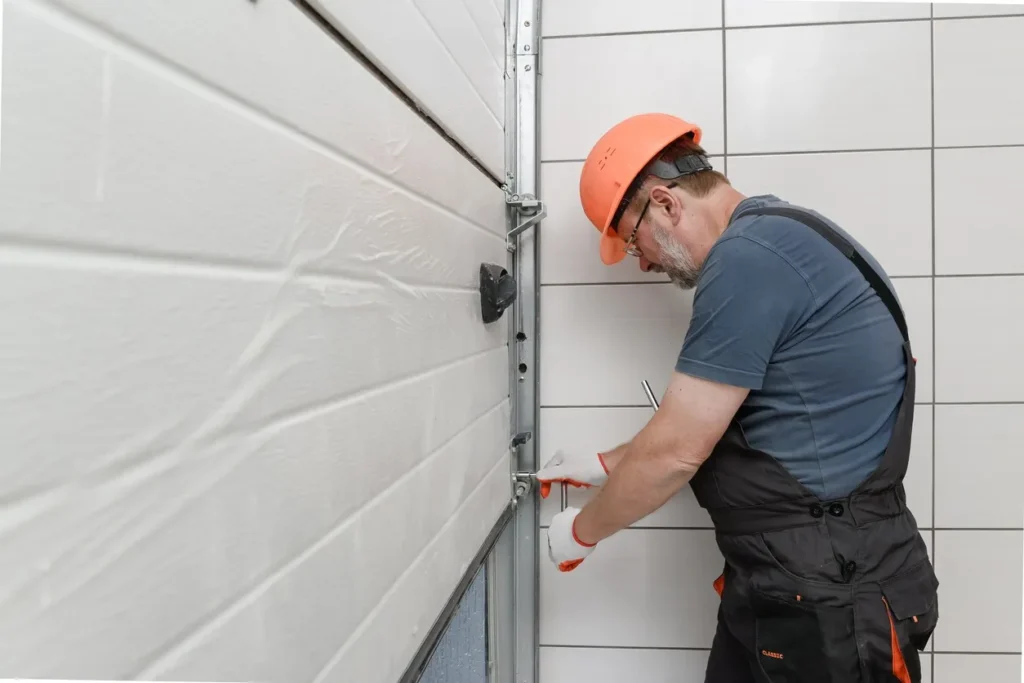
The Multi-Point Inspection Protocol
A proper tune-up goes far beyond visual aesthetics. Our technicians perform a deep-dive analysis of the critical hardware that bears the weight of the door.
- Torsion and Extension Spring Calibration: Springs do the heavy lifting, not the opener. Over time, steel relaxes, and tension decreases. We test the cycle count and adjust the tension to ensure the door is perfectly balanced. A balanced door should stay in place when manually lifted halfway; if it falls or shoots up, the springs require immediate adjustment.
- Roller and Hinge Assessment: We inspect every roller for flat spots, cracks, or bearing failure. Steel rollers often require lubrication, while nylon rollers need to be checked for degradation. Hinges are inspected for stress fractures that typically occur in the center of the door panels.
- Cable Integrity Check: Cables are under immense tension and are prone to fraying near the bottom brackets or the drum. We examine the entire length of the cable for any signs of separation or rust, which are precursors to snapping.
- Track Alignment and Security: Vibration can loosen the mounting hardware that holds the tracks to the wall and ceiling. We tighten all bolts and verify that the tracks are plumb and parallel. Misaligned tracks cause friction, forcing the opener to work harder than necessary.
- Opener Logic and Force Settings: Modern openers have force sensitivity settings that determine how much power is used to lift and lower the door. We recalibrate these settings to ensure the door reverses properly if it encounters an obstruction, but closes firmly without bouncing back.
Lubrication and Noise Reduction
Friction is the enemy of mechanical systems, particularly in dry environments.
- Specific Component Lubrication: We do not use general-purpose solvents like WD-40, which can strip grease and attract dust. We utilize professional-grade lithium or silicone-based lubricants designed specifically for garage door torsion springs, rollers, and hinges.
- Silencing the Grind: Metal-on-metal contact creates the grinding noises often associated with older doors. By lubricating the bearing plates and spring coils, we significantly reduce acoustic output.
How Our Tune-Up Service Works
We adhere to a systematic process designed to identify issues efficiently and correct them during the same visit. This structured approach ensures no component is overlooked.
- Diagnostic Operation: The technician begins by operating the door to listen for specific auditory cues—scrapes, squeaks, or rattles—that indicate where friction is occurring.
- Manual Balance Test: The automatic opener is disengaged to test the door manually. This effectively isolates the door from the motor, allowing the technician to feel “dead spots” or resistance in the track.
- Hardware Tightening: Every bolt, nut, and lag screw is checked. High-vibration environments cause hardware to back out over time. We systematically tighten the hardware on the door face, the track brackets, and the motor assembly.
- Lubrication Application: Once cleaned and tightened, the moving parts are lubricated. Excess lubricant is wiped away to prevent dripping or debris accumulation.
- Sensor Alignment: Photo-eye sensors are often bumped out of alignment or covered in dust. We clean the lenses and align the beams to ensure the safety reverse system is active and responsive.
- Final Operational Test: The door is run through multiple cycles to verify smooth travel. We check that the door seals tightly against the floor and that the limit switches are set correctly to prevent the opener from over-traveling.
When to Consider More Than a Tune-Up
While a tune-up can resolve many operational issues and extend the life of the system, there are scenarios where repair or replacement is the more distinct financial decision. Recognizing the difference between a maintenance issue and a structural failure is key.
- Structural Panel Damage: If the door panels are cracked, bent, or bowing in the center, a tune-up cannot restore structural integrity. Compromised panels can collapse under wind load or their own weight.
- Excessive Rust or Corrosion: In some cases, moisture damage near the bottom of the door corrodes the brackets holding the cables. If the metal is too brittle to hold a new fastener, section or door replacement is required for safety.
- Motor Gear Failure: If the opener hums but the chain or belt does not move, the internal gears may be stripped. While gears can sometimes be replaced, if the unit is over 10-15 years old, upgrading to a modern unit is often more cost-effective.
- Spring Cycle End-of-Life: If a spring has already snapped, this is a repair, not a tune-up. However, if a spring is elongated (stretched out) and cannot hold tension even after adjustment, it has reached the end of its useful cycle life and must be replaced.
Navigating Henderson Climate and Local Service Factors
Operating a garage door in the local climate presents unique challenges due to the specific environmental conditions of the region. The extreme heat and low humidity affect metal and electronics differently than in cooler, more humid climates.
- Heat and Lubrication Breakdown: The intense summer heat in the valley causes standard greases to liquefy and drip off, leaving components unprotected. Our tune-up process utilizes high-viscosity lubricants that remain stable in high temperatures, ensuring protection lasts through the summer.
- Thermal Expansion and Contraction: Metal tracks and springs expand in the heat and contract in the winter. This constant fluctuation can throw off the alignment of the door or the sensitivity of the safety sensors. Regular seasonal adjustments are critical to maintain consistent operation.
- Dust and Debris Accumulation: The desert environment introduces fine dust into the garage. This dust mixes with old grease to form an abrasive paste that wears down nylon rollers and plastic gears. We clean the tracks and gears thoroughly before re-lubricating to prevent this abrasive wear.
- Sunlight Interference on Sensors: In this region, the angle of the sun can sometimes blind safety sensors, preventing the door from closing. We inspect the sensor placement and can install sun shields or swap the receiving and sending units to mitigate sunlight interference.
Local Availability and Emergency Response
We understand that garage doors rarely malfunction at convenient times. A door stuck in the closed position traps your vehicle, while a door stuck open leaves your home vulnerable.
- Same-Day Service Capability: We prioritize calls where security or mobility is compromised.
- Truck Inventory: Our service vehicles are stocked with standard parts (rollers, brackets, capacitors) to fix issues found during a tune-up immediately, rather than requiring a second visit.
Why Professional Maintenance Outperforms DIY
Homeowners often attempt to lubricate their doors themselves, but professional maintenance involves calibrating forces that can be dangerous if mishandled.
- Torsion Spring Dangers: The tension on a garage door spring is sufficient to cause severe injury. Adjusting this tension requires specific winding bars and training. Using makeshift tools can result in the spring unwinding explosively.
- Cable Safety: The bottom brackets on a garage door are under the same tension as the springs. Loosening these brackets without securing the door can cause the door to drop or the cables to snap. Professionals know which fasteners are safe to touch and which are under load.
- Opener Force Analysis: Simply increasing the force settings on an opener to force a stuck door to close is a fire hazard and a safety risk. We diagnose why the door is sticking rather than forcing the motor to push through the resistance.
- Warranty Preservation: Many garage door and opener warranties require proof of professional maintenance at regular intervals. DIY repairs or the use of improper lubricants (like oil-based degreasers) can void manufacturer warranties.
The Value of Regular Inspections
A garage door system is a significant investment in your home’s curb appeal and security. Treating maintenance as a preventative measure rather than a reactive necessity saves money.
- Early Detection of Wear: catching a fraying cable today costs significantly less than replacing a door that has fallen off the tracks because that cable snapped next month.
- Energy Efficiency: A door that seals properly against the floor and headers helps maintain the temperature in the garage. This is vital for homes where the garage acts as a buffer against the outside heat.
- Noise Control: A tuned door is a quiet door. If your garage is adjacent to a living room or bedroom, reducing the vibration and transfer of sound through the walls improves the comfort of the home.
Securing Your Garage Door System
Neglecting garage door maintenance leads to noisy operation, unreliable access, and eventual system failure. Regular professional tune-ups ensure that every component—from the smallest roller to the largest spring—is functioning in harmony. Good Golly Garage Doors provides the expertise required to keep your system running smoothly in the local climate, protecting both your family and your property.
Don’t wait for a complete breakdown to service your door. Contact us now to schedule your comprehensive garage door tune-up.
Proudly Serving Las Vegas and Surrounding Areas
From Summerlin to Henderson, we provide the best garage door services you can find across Las Vegas. Wherever you are, Good Golly Garage Doors is ready to deliver. Let’s get your garage door in Las Vegas or beyond back in top shape with service that’s fast, friendly, and built to last.
View All Cities
 All Service Areas