

Garage Door Track Repair in Phelan, CA
Correct misalignment with garage door track repair in Phelan, CA by Good Golly Garage Doors. Contact us today to schedule professional track adjustments!
Need a Quick Fix for Your Garage Door Track?
Is your garage door getting stuck or making unusual noises when opening or closing? The problem could be with your garage door tracks. At Good Golly Garage Doors, we offer expert garage door track repair in Phelan, CA, to ensure your door operates smoothly and safely. Whether your tracks are bent, misaligned, or damaged, our skilled technicians have the tools and experience to make precise repairs. Properly functioning tracks are crucial for the safe operation of your garage door, so don’t delay in addressing the issue. Contact us today for fast, professional track repair and restore the reliable performance of your garage door!
Expert Solutions for Misaligned and Bent Tracks
A garage door that has jumped its track or become misaligned is not just an inconvenience; it is a significant security risk for residents in Phelan. When the rollers are no longer seated correctly within the vertical or horizontal tracks, the door becomes unstable. Attempting to force the door open or closed in this state can result in the door falling completely, leading to severe property damage or personal injury. Professional repair services focus on stabilizing the door first, ensuring that the immense tension held by the springs does not release dangerously during the repair process.
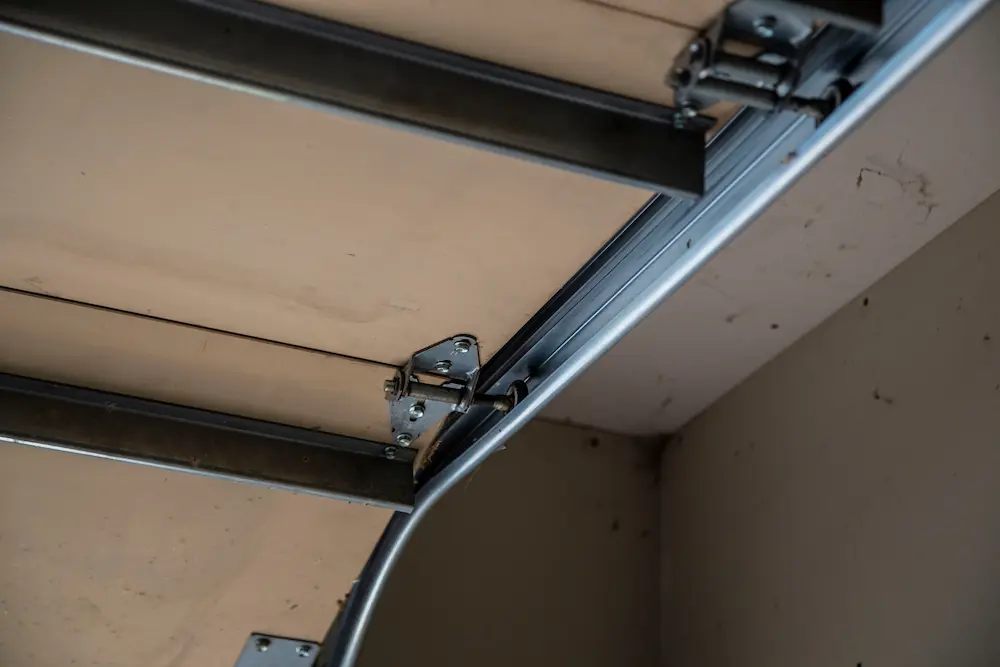
Upon arrival, the primary goal is to assess the severity of the track damage. In many cases, tracks are simply bent due to a minor impact, such as a vehicle bumping the frame or an obstruction in the path of the door. Good Golly Garage Doors technicians utilize specialized clamping and straightening tools to restore the steel track to its original shape without compromising its structural integrity. If the rollers have popped out, the door is carefully hoisted and reset, ensuring that the weight is distributed evenly across the new alignment.
The scope of repair also covers the hardware that secures the track to the wall. Over time, vibration from daily operation can loosen the mounting brackets. A comprehensive service visit includes tightening all track bolts, checking the flag brackets, and ensuring the horizontal tracks are perfectly level. If the tracks are parallel and plumb, the door will glide smoothly. If they are even slightly off, the motor has to work harder, leading to premature opener failure. We address the root cause of the friction to prevent the issue from recurring weeks or months later.
The Process: How We Restore Track Functionality
Restoring a garage door track involves a systematic, safety-first approach. Since the tracks guide the full weight of the door panels, any repair work must follow a strict sequence to ensure the system remains balanced.
- Site Safety and Stabilization: The first step involves disconnecting the electric opener to prevent accidental activation. The door is then clamped in place or secured with vice grips to prevent it from sliding down while the tracks are being manipulated. This is crucial because a door off its tracks essentially hangs by the cables, which can snap if the load shifts suddenly.
- Damage Assessment and Diagnosis: Technicians examine the extent of the damage. They check for crimps in the curved portion of the track, separation of the vertical track from the wall, and dents in the straight sections. They also inspect the rollers. Often, a damaged track shreds the nylon or steel rollers, meaning both components require attention to restore silent operation.
- Track Manipulation and Alignment: Using anvils, hammers, and specialized straightening tools, the metal is worked back into its proper channel shape. If the track is merely misaligned, the mounting bolts are loosened to adjust the gap between the track and the door. The standard spacing is critical; if the track is too tight against the door, it binds. If it is too loose, the door can fall out.
- Testing and Lubrication: Once the structural repairs are complete, the door is manually operated to check for smooth travel. Technicians listen for grinding noises or points of resistance. Finally, a non-silicone-based lubricant is applied to the rollers and hinges (but usually not the track itself, to avoid attracting dust) to ensure a quiet glide.
Deciding Between Track Repair and Replacement
Homeowners often wonder if a bent track can be saved or if they need to invest in a full replacement. The decision largely depends on the severity of the damage, the age of the system, and the integrity of the metal. Making the right choice now can save money on future service calls.
- When to Repair: Repair is the preferred option for minor to moderate damage. If the track has a small dent from a car bumper or a bicycle impact, it can usually be hammered out. Misalignment caused by loose bolts is also a repair-only scenario. If the damage is localized to a specific section, like the vertical leg near the floor, repairing that specific area is cost-effective and efficient.
- When to Replace: Replacement is necessary when the structural integrity of the steel is compromised. If the track is rusted through, particularly at the bottom where moisture accumulates, straightening it will only weaken the metal further. Severe bends that look like “kinks” in the metal cannot be smoothed out perfectly; these kinks will act as speed bumps for the rollers, causing vibration and eventual failure.
- Fatigue and Age: Older garage door systems may utilize thinner gauge steel that is more prone to twisting. If the tracks show signs of metal fatigue, cracks around the bolt holes or warping along the length, replacement is safer. Installing heavy-duty, 14-gauge or 12-gauge tracks can provide better durability for heavy insulated doors, upgrading the overall performance of the system.
- Roller Impact: If a door was operated forcefully while off-track, the rollers may have gouged deep channels or burrs into the steel. These imperfections act like a cheese grater on new rollers. In such instances, replacing the track ensures that your new rollers last for years rather than months.
Common Causes of Track Failure
Understanding why tracks fail helps homeowners prevent future issues. While accidental impact is the most obvious cause, many track problems develop slowly over time due to neglect or wear and tear.
- Cable Breaks and Spring Failure: When a lift cable snaps or a torsion spring breaks, the weight of the door is no longer supported evenly. This often causes the door to tilt violently to one side. If the opener tries to lift the door in this state, the rollers dig into the track, bending the metal lips.
- Loose Hardware: Garage doors vibrate every time they open and close. Over hundreds of cycles, this vibration works the track bolts loose. If one track moves even a fraction of an inch away from the wall, the spacing changes. The rollers may slip out of the channel, causing the door to hang precariously.
- Obstructions: Leaving brooms, shovels, or debris near the vertical tracks can be disastrous. If the door comes down on an object, the sensor should reverse it. However, if the object is wedged against the track, the force of the motor can torque the door, twisting the vertical track before the safety mechanism engages.
- Lack of Maintenance: Dry rollers create friction. This friction generates heat and drag. Eventually, a seized roller will slide down the track rather than rolling, wearing a flat spot on the roller and a groove in the track. Regular maintenance and inspection of the rollers can prevent this damage to the steel rails.
Why Professional Diagnosis Matters
Attempting DIY repairs on garage door tracks is notoriously dangerous. The counterbalance system involves high-tension springs and heavy cables. When a door is off-track, that potential energy is unstable. Removing the wrong bolt to “free” a stuck roller can cause the door to crash down or the spring tension to release explosively.
Professionals bring more than just tools; they bring an understanding of the physics involved. They know where the tension points are and how to unload the weight of the door safely before unbolting any track segments. They also have access to a variety of track radii and gauges. Not all tracks are universal. The curve of the horizontal track (the radius) must match the door panels exactly. Using the wrong replacement track can cause the top panel to jam against the header.
Expert technicians also verify the alignment of the safety sensors during the track repair. A bent track often knocks the photo-eye sensors out of alignment, preventing the door from closing. A comprehensive repair service ensures that every safety feature, from the sensors to the auto-reverse pressure setting, is functioning correctly before the job is marked complete.
Ensuring Long-Term Performance
After the repair is resolved, the focus shifts to longevity. A track repair is only as good as the maintenance that follows it. By ensuring the door is balanced, the opener settings are calibrated, and the hardware is tightened, the lifespan of the entire system is extended. Good Golly Garage Doors emphasizes a holistic approach to repair. It is not just about bending the metal back; it is about ensuring the door travels effortlessly. Less friction means less strain on the opener motor and quieter operation for the home.
Whether the issue was caused by a teen driver bumping the frame or years of High Desert dust, the goal is a door that opens and closes every single time. Do not let a damaged track compromise the security of your home or the safety of your family. Professional intervention restores order and functionality, letting you get back to your daily routine without the stress of a malfunction. Call today to schedule your track repair and get your door moving smoothly again.
Proudly Serving Victorville and Surrounding Areas
We provide the best garage door services you can find across Victorville, CA. Wherever you are, Good Golly Garage Doors is ready to deliver. Let’s get your garage door in Victorville, CA or beyond back in top shape with service that’s fast, friendly, and built to last.
Call (760) 979-0605 All Service Areas