

Garage Door Track Repair in Huntsville, AL
Dealing with a jammed or noisy garage door in Huntsville? Ensure safety with our emergency track repair services. Call now to schedule an immediate repair.
Is Your Garage Door Jammed, Noisy, or Hanging Crooked?
If your garage door is making strange noises, struggling to open, or coming off-track, it may be a sign that the tracks need repair. Good Golly Garage Doors offers expert garage door track repair in Huntsville, AL, to restore the smooth, reliable operation of your door. Whether your tracks are bent, misaligned, or damaged, our skilled technicians will assess the issue and make the necessary adjustments or replacements to ensure your door functions properly. Don’t let track problems disrupt your day! Contact us today for fast, professional garage door track repair!
The Dangers of a Misaligned Garage Door
A garage door that has jumped its track is not just an inconvenience; it is a significant safety hazard. Weighing several hundred pounds, a door hanging precariously by a single roller or cable can crash down unexpectedly. In Huntsville, where families use the garage as a primary entry point, leaving this issue unresolved puts people and vehicles at risk.
Good Golly Garage Doors understands the urgency of this situation. When the track is bent, loose, or obstructed, the rollers cannot guide the door smoothly. This creates friction that strains the opener and the tension springs. Addressing the root cause of the misalignment immediately prevents costly secondary damage to the expensive sections of your door.
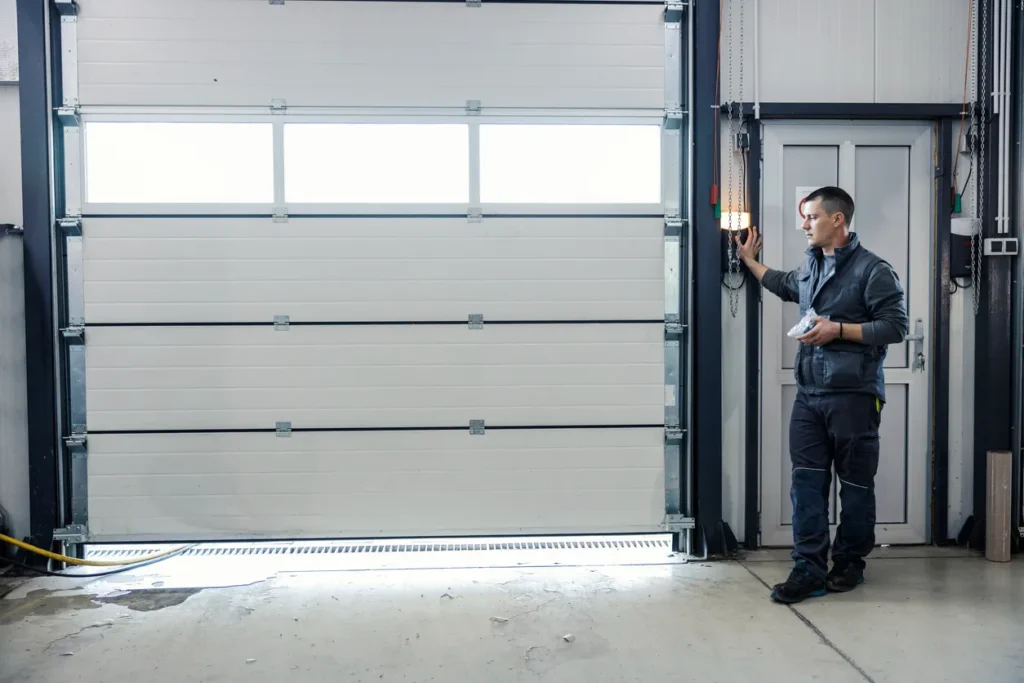
Scope of Service: What Happens During a Track Repair Visit
When you request professional assistance for a track issue, the goal is to stabilize the situation and restore the structural integrity of the garage door system. The service begins with a complete safety inspection. Technicians do not simply hammer a bent track back into place; they analyze why the door came off track to begin with.
A standard track repair service appointment includes a full diagnostic of the vertical and horizontal tracks, the curved radius, and the mounting brackets. The technician assesses the condition of the rollers, as worn rollers are often the culprit that causes a door to pop out of the guide rails:
- Complete System Stabilization: The first step is securing the door to ensure it does not fall during the repair. This often involves clamping the door in the open or closed position and releasing tension from the opener.
- Track Realignment: Technicians loosen the track brackets attached to the door jambs. They gently tap the tracks back into the proper position, ensuring the distance between the track and the door remains consistent from floor to ceiling.
- Hardware Tightening: Over time, the vibration from opening and closing the door loosens the bolts holding the tracks to the wall. All mounting hardware is tightened to manufacturer specifications.
- Roller Re-insertion: If the wheels have popped out, the technician carefully manipulates the track and the door to seat the rollers back inside the guide rails without damaging the wheel stems.
- Lubrication and Testing: Once aligned, the tracks are cleaned of old grease and debris. A silicone-based lubricant is applied to the rollers and hinges (never the track itself, as this attracts dirt) to ensure silent operation.
How the Track Repair and Realignment Process Works
Restoring a garage door track requires precision. If the tracks are too tight against the door, the door will bind and refuse to move. If they are too loose, the door will rattle or fall out again. Professional repair follows a strict, safety-focused sequence to ensure the geometry of the system is correct:
- Initial Safety Lockdown: The technician disconnects the garage door opener to prevent accidental activation. If the door is stuck halfway up, they use vice grips or locking pliers on the vertical track just below the rollers to keep the door from crashing down while they work.
- Diagnosing the Deviation: Using a level, the technician determines if the vertical tracks are plumb (straight up and down) and if the horizontal tracks are level. They measure the width of the opening at the top, middle, and bottom to ensure the tracks are parallel.
- Adjusting the Vertical Tracks: The bolts securing the flag bracket (at the top) and the jamb brackets (along the side) are loosened slightly. This allows the technician to move the track left, right, in, or out. The goal is to achieve a gap of roughly .25 to .5 inches between the door edge and the track.
- Correcting the Horizontal Tracks: The horizontal tracks carry the weight of the door when it is in the open position. If these are not supported correctly by the back hangs (the metal angles attached to the ceiling), the track can sag, causing the door to bind. The technician adjusts the rear track hangers to ensure the tracks are level and square with the front wall.
- Addressing the Radius: The curved section of the track, known as the radius, is where many off-track incidents occur. If the sections are not joined seamlessly, the rollers will catch. The technician ensures the transition from vertical to horizontal is smooth and unobstructed.
- Final Torque and Test: Once alignment is verified with a level, all lag screws and bolts are torqued down. The door is operated manually first to feel for any resistance or “dead spots.” Finally, the opener is reconnected, and the force settings are adjusted to match the new, smoother track friction levels.
Decision Guide: When to Repair vs. When to Replace Tracks
Homeowners often wonder if a bent track can be saved or if they need a completely new set of rails. The decision depends on the severity of the damage and the age of the system. While steel tracks are durable, they are not invincible.
Situations Suitable for Repair:
- Minor Crimps or Dents: If a vehicle bumped the vertical track and caused a small dent, a technician can often use a specialized track anvil or dolly to reshape the metal.
- Loose Brackets: If the track is straight but simply moving too much because of loose screws, a realignment and tightening service is sufficient.
- Roller Displacement: If the track is undamaged but the rollers came out due to an obstruction, the track simply needs to be opened slightly to re-seat the rollers and then secured.
Situations Requiring Replacement:
- Structural Twisting: If the impact was severe enough to twist the steel rail, it cannot be bent back perfectly. A twisted track will chew up rollers and damage the door sections.
- Severe Rust: In humid environments, tracks can rust at the bottom where they meet the concrete. Once rust eats through the heavy-gauge steel, the structural integrity is gone. Replacement is the only safe option.
- Fatigued Metal: Old tracks can develop grooves or flat spots where the rollers travel. This causes excessive noise and vibration.
- System Upgrades: If you are upgrading to a heavier door, the old tracks may not be a sufficient gauge (thickness) to support the new weight. Upgrading from 2-inch to 3-inch tracks (for commercial or very heavy doors) requires full replacement.
Good Golly Garage Doors provides honest assessments. If a track is beyond safe repair, the technician will explain why and provide a quote for installing new, heavy-duty galvanized steel tracks.
Why Professional Alignment is Critical
Attempting to fix a garage door off track is one of the most dangerous DIY projects a homeowner can undertake. The garage door system operates under massive tension, primarily from the torsion springs or extension springs. The tracks act as the containment system for this energy:
- Stored Energy Risks: If you unbolt the bottom bracket of the vertical track (where the cable attaches) without the proper knowledge, the spring tension can release instantly. This can launch the bracket or cable with enough force to cause severe injury. Professionals have the winding bars and containment tools to manage this tension safely.
- Precise Tolerances: Garage doors require precise spacing. The gap between the door and the track must be uniform. If a DIY repair leaves the track slightly crooked, the door may work for a few days but will eventually bind again, likely burning out the opener motor in the process.
- Tooling Requirements: Properly reshaping a bent track requires tools that most homeowners do not possess, such as track anvils and heavy-duty locking pliers. Using a standard hammer often causes more damage, creating bumps in the metal that destroy the rollers.
- Door Weight Management: A double-car garage door can weigh over 300 pounds. Manually lifting and holding this door level while simultaneously adjusting a track is physically impossible for one person without mechanical aid. Professional teams work in pairs or use hoist equipment to manage the weight safely.
Restoring Function and Security
A functional garage door is essential for the security of your home and the convenience of your daily routine. When tracks are misaligned or the door is off the rails, your home is vulnerable to intruders and the elements. Ignoring the problem leads to escalating repair costs and potential safety hazards for your family.
We focus on delivering lasting solutions. By using high-quality galvanized steel components and adhering to strict installation tolerances, we ensure your door travels smoothly and quietly. Whether you are dealing with a minor squeak caused by a loose bracket or a major off-track emergency, expert intervention resolves the issue at the source. Don’t let a stuck door disrupt your day or threaten your safety. We are ready to diagnose the alignment issue and implement the necessary repairs! Contact Good Golly Garage Doors today to secure your garage and restore smooth operation.
 All Service Areas