

Garage Door Track Repair in Georgetown, TX
Struggling with a garage door off-track in Georgetown? Schedule a repair to ensure smooth operation with safety. Contact for precision alignment and expert service.
Is Your Garage Door Jammed, Off-Track, or Screeching?
Frustrated by a garage door that won’t open smoothly or makes grating noises every time you try to leave your home? You are not alone, and for residents in Georgetown, help is closer than you think—contact us now to schedule an inspection. When a door jumps its track or a rail becomes bent, it creates an immediate security risk and renders your vehicle trapped or exposed.
- Experience same-day garage track repair and get your door back in full swing.
- Benefit from expert service with top-rated local technicians who understand alignment geometry.
- Enjoy peace of mind with comprehensive warranties and upfront assessments.
All services are performed by licensed professionals with guarantees to ensure your satisfaction—every time.
Comprehensive Track Alignment and Repair Solutions
When you commission a professional repair service, the goal is to restore the mechanical integrity of the entire door system, not just to force a roller back into place. A garage door track acts as the skeleton for the heaviest moving object in your home. If that skeleton is fractured, bent, or misaligned, the muscles (your opener) and the joints (your rollers and hinges) will fail prematurely.
We provide a complete restoration of the track ecosystem. This service includes a multipoint inspection of both vertical and horizontal tracks to identify the root cause of the failure. Often, a door coming off the track is a symptom of a secondary issue, such as a loose cable drum, a frayed lift cable, or an obstruction in the path. Residents in Georgetown need a solution that addresses these underlying causes to prevent the door from jamming again a week later.
The service scope covers several critical actions:
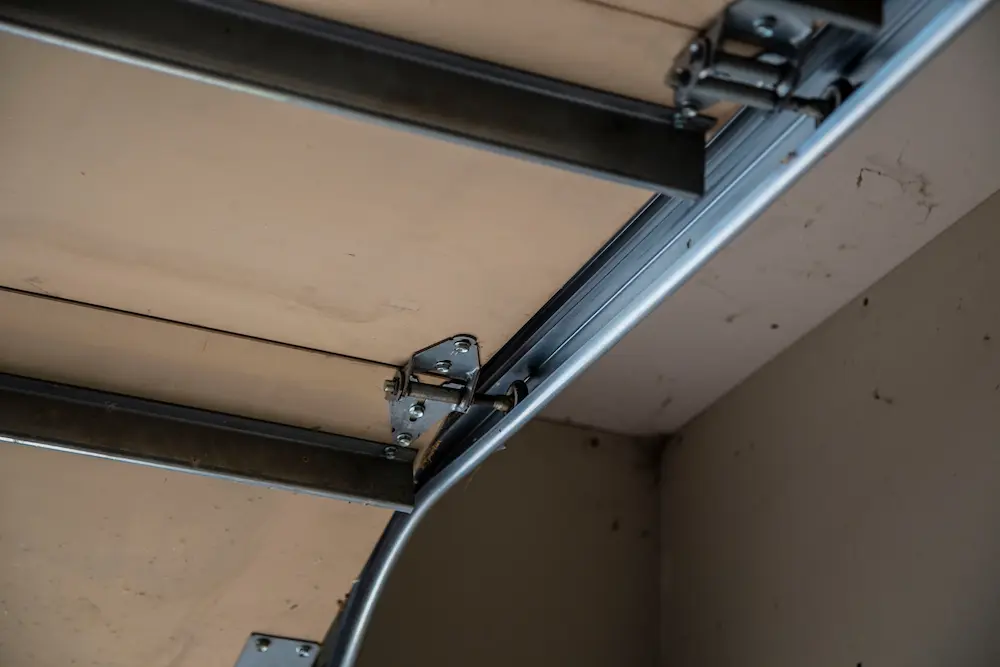
- Precision Alignment: Technicians use levels and laser alignment tools to ensure the vertical tracks are perfectly plumb and the horizontal tracks are square. Even a fraction of an inch in deviation can cause excessive friction.
- Hardware Torquing: Over time, the vibration from the door operation loosens the bolts connecting the track brackets to the wall framing. We tighten every bolt and lag screw to ensure rigid stability.
- Roller Inspection and Seating: If a roller has popped out, we do not simply push it back in. We inspect the stem and the wheel for wear. If the track was bent by the roller popping out, the metal is reshaped or replaced.
- Lubrication: Proper silicon-based lubrication is applied to the tracks (if appropriate for the specific roller type) and hinges to reduce friction and noise.
The Process of Restoring Garage Door Functionality
Repairing a garage door track is a methodical process that requires strict adherence to safety protocols. The massive tension held in the torsion springs or extension springs makes this dangerous work for untrained individuals. Our approach ensures that the door is secured before any hardware is touched.
- Site Safety and Power Disconnection: The first step involves disconnecting the electric garage door opener to prevent accidental activation. The door is then clamped or blocked in a stationary position. This is vital because if the tracks are loosened while the door is under tension, the entire assembly could collapse.
- Diagnosing the Deviation: Technicians examine the gap between the door and the stop molding (the weatherstripping frame). This gap acts as a visual guide. If the gap is uneven—tight at the bottom and wide at the top—it indicates that the vertical track has shifted. We also inspect the curve where the vertical track meets the horizontal rail, as this is a common pinch point.
- Loosening and Adjusting: The track is held to the wall by jamb brackets. To realign the system, these brackets are slightly loosened. This allows the technician to gently tap the track back into the correct position. The goal is to establish the correct spacing so that the rollers sit deep enough in the track to be secure, but not so deep that they bind against the rail.
- Correcting Bent Metals: For tracks that have been hit by a vehicle or bent due to an obstruction, the repair method depends on the severity. Minor bends can be worked out using specialized dollies and hammers to restore the channel’s shape. If the metal is creased or fatigued, a section splice or full replacement is initiated.
- Leveling the Horizontal Rails: The horizontal tracks must hang level or slightly angled toward the back of the garage, depending on the headroom configuration. If the rear hangs are not secure, the track can sway, causing the door to fall out of the channel when fully open. We verify the stability of the rear angle iron supports.
- Final Testing and Safety Reverse Check: Once the physical tracks are aligned and tightened, the door is operated manually to check for balance and smooth travel. Finally, the opener is re-engaged, and the safety reverse sensors are tested to ensure the door reverses if it encounters an obstruction.
Deciding Between Track Repair and Full Replacement
Homeowners often wonder if a damaged track can be saved or if it requires a total replacement. The decision largely comes down to the extent of the structural damage and the age of the system. While metal tracks are durable, they are not invincible. Good Golly Garage Doors helps you evaluate the most cost-effective route based on the specific condition of your hardware.
When Repair is the Best Option:
- Minor Bends: If the lip of the track is slightly bent from a minor impact (like a bicycle hitting it), this can usually be straightened without compromising structural integrity.
- Loose Hardware: If the tracks are shaking or noisy solely because the mounting bolts have vibrated loose, a simple tune-up and realignment will solve the problem.
- Misalignment: If the door is rubbing against the frame but the steel tracks themselves are straight, a professional adjustment is all that is required.
- Popped Rollers: If a roller jumped out due to an obstruction (like a broom handle left in the way) but the track remains unbent, reseating the roller and clearing the path is the solution.
When Replacement is Required:
- Deep Rust or Corrosion: In humid environments, galvanized steel can eventually succumb to rust. If the track is flaking or rusted through, especially near the floor, it cannot support the weight of the door and must be replaced.
- Crushed or Creased Steel: If a car has backed into the vertical track and creased the metal, the structural strength is gone. Attempting to bend a crease back will leave a weak point that could buckle under the door’s weight.
- Fatigue and Cracking: Older systems may develop stress cracks around the bolt holes or the curved radius. These cracks can lead to catastrophic failure and require immediate replacement of the track sections.
- Incompatible Hardware: If you are upgrading to a heavier door (e.g., adding insulation or glass), the old standard-duty tracks may not be rated for the new weight. Heavy-duty tracks with a thicker gauge steel would be necessary.
Regional Factors Affecting Garage Doors
The climate and soil conditions in this part of Texas play a significant role in how garage door systems age and operate. Georgetown experiences hot summers and variable humidity, which directly impacts metal components.
- Thermal Expansion and Contraction: Metal expands when it gets hot. In the peak of summer, the steel tracks and the door panels can expand slightly. If the tracks were installed too tightly against the rollers during a cooler season, the summer heat can cause the door to bind or stick. Conversely, in winter, contraction can create gaps. Professional installation accounts for these tolerances to ensure year-round operation.
- Foundation Shifting: The local soil conditions can lead to foundation settling over time. Even a minor shift in the garage floor or the framing of the house can throw the door tracks out of plumb. If your concrete floor has cracked or shifted, the vertical tracks may no longer be parallel, causing the rollers to drag. We adjust the track mounting to compensate for these structural shifts.
- Humidity and Oxidation: While not coastal, the humidity levels can still accelerate oxidation on non-galvanized or scratched parts. Salt from water softeners stored in the garage or general moisture can lead to surface rust on the tracks. We recommend and apply corrosion-resistant lubricants and check for early signs of rust that could impede the rollers.
- Permits and Local Codes: Modifying the structural components of a garage door system must be done in accordance with local building standards. While simple repairs typically do not require permits, structural replacements or installing new systems must adhere to wind load ratings and safety codes relevant to the region. This ensures that the door can withstand storm pressures common in the spring season.
Why Professional Alignment Is Essential
Attempting to fix a garage door track with a hammer and a wrench is a common DIY mistake that often exacerbates the problem. The garage door is a finely tuned system relying on counterbalance and geometry.
- Preserving the Opener: When tracks are misaligned, the garage door opener has to work significantly harder to pull the door up. This strain can strip the internal gears of the motor or burn out the capacitor. Correcting the track alignment extends the lifespan of your expensive opener unit.
- Preventing Catastrophic Failure: A door that is “binding” (sticking) in the tracks may eventually snap a lift cable or cause a spring to fracture due to uneven tension. If a cable snaps while the door is in the open position, the door can slam down with lethal force. Professional alignment ensures the load is distributed evenly across all hardware.
- Noise Reduction: A loud, screeching door is often the result of metal-on-metal friction caused by tight tracks. By properly spacing the tracks and lubricating the contact points, the operation becomes significantly quieter, which is a major benefit if you have living space above the garage.
- Specialized Tools: Proper repair requires more than basic hand tools. We utilize winding bars for springs (if adjustment is needed during track repair), vice grips specifically designed to hold tension, and laser levels for vertical accuracy.
If your door is hanging precariously or refuses to close, do not force it. Forcing the door can crumple the panels and turn a repairable situation into a total loss. Trust the experts at Good Golly Garage Doors to assess the geometry of your system, secure the heavy panels, and restore smooth, silent operation. We handle the heavy lifting and the precision adjustments so you don’t have to risk injury.
Don’t let a jammed door compromise your home’s security.Contact us today for immediate track repair service.
Proudly Serving Austin, TX, and Surrounding Areas
From the neighborhoods of Austin to Round Rock and Buda, we provide the best garage door services you can find across the area. Whether it’s the impact of Texas heat and sudden storms on garage door components, we ensure our solutions are tailored to your needs. Wherever you are, Good Golly Garage Doors is ready to deliver.
View All Cities
 All Service Areas