

Garage Door Spring Repair in Austin, TX
Garage Door Not Working? Call for Quick, Professional Repair Today!


ANY REPAIR OF $500 OR MORE
*For residential properties. Price is per garage door. May not be combined with any other offers. Coupon must be present at the time of service.

Garage Door Trapped Shut by a Snapped Spring?
When you hear a loud bang from the garage or find that the door simply refuses to lift more than a few inches, a broken spring is almost always the culprit. If your garage door isn't opening right, a broken spring could be to blame, and immediate professional help is just a phone call away.
Residents in Austin often face this issue unexpectedly, leaving vehicles trapped and home security compromised. Attempting to force the door open can damage the opener or cause injury, so professional intervention is the safest route. We provide a solution that restores function and safety immediately.
- Rapid response teams are available 24/7 for urgent repairs, so you are never stranded.
- Upfront pricing with no hidden fees, providing clarity before any work begins.
- Long-lasting repairs with high-quality parts covered by a warranty.
All services are fully licensed, meeting local codes and regulations.
Immediate Spring Repair: restoring Access and Safety
When a garage door spring breaks, the entire counterbalance system fails. The spring is responsible for lifting the heavy weight of the door—often between 150 to 300 pounds—rendering the automatic opener useless. A standard residential opener is designed to push and pull a balanced door, not to deadlift the entire weight of the panels. Continuing to use the opener when a spring is snapped will strip the opener’s gears or burn out the motor, turning a standard repair into a costly overhaul — schedule service today.
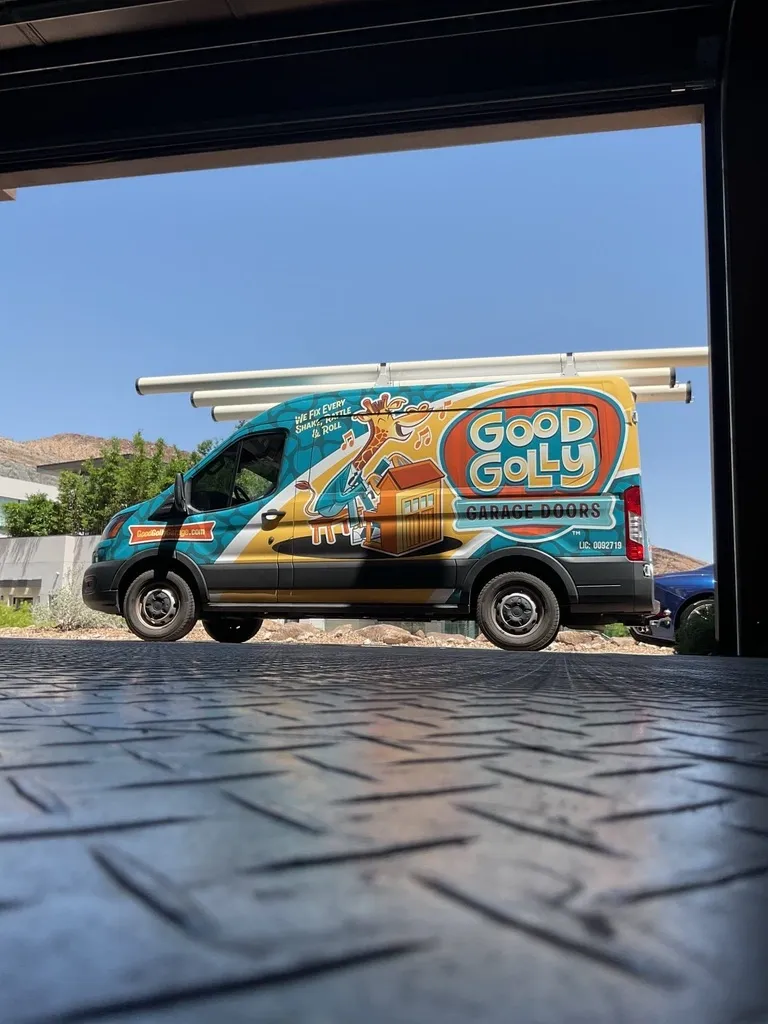
Good Golly Garage Doors prioritizes restoring your system to perfect balance. The goal is not just to get the door moving again but to ensure it operates smoothly, quietly, and safely. Technicians arrive with a fully stocked truck carrying a wide range of spring sizes and types. This inventory allows for a "one-trip" solution, eliminating the need to wait for parts to be ordered. The service includes a full safety inspection of the entire door system, checking cables, rollers, and drums to ensure the snap didn't damage adjacent components.
Upon arrival, the technician assesses the specific weight and dimensions of the door. Installing the wrong spring is a common error in amateur repairs; a spring that is too strong will make the door difficult to close, while one that is too weak will cause the door to drift down and strain the opener. Precise calculation is required to match the spring's "inch-pounds per turn" (IPPT) to the specific requirements of the door installed at your Austin property.
The Spring Replacement Process: Safety and Precision
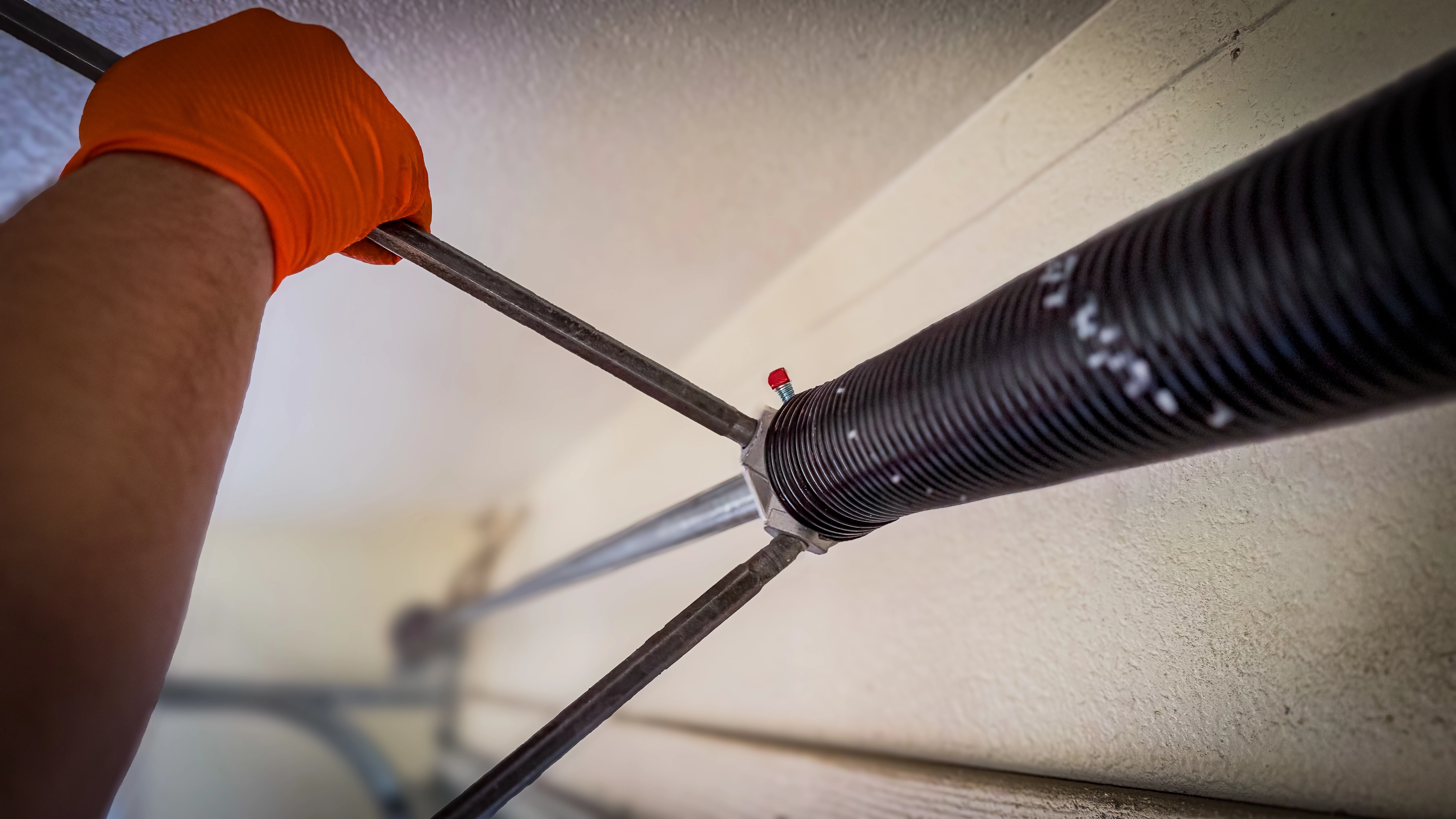
Replacing a garage door spring is widely considered the most dangerous maintenance task for a homeowner due to the extreme tension involved. Torsion springs, located above the door, store immense torque. Extension springs, located along the side tracks, stretch under high tension. Mishandling these components can result in severe injury or property damage. Professional replacement follows a strict, safety-first protocol to ensure the system is reset correctly.
- System Diagnosis and Weighing: The process begins with a thorough diagnosis. The technician disengages the opener and manually tests the door to confirm the spring failure. The door is then weighed to determine the exact spring size required. This is a critical step because springs are not "one size fits all." The wire gauge, inside diameter, and length must be calculated precisely to counterbalance the door's mass.
- Securing the Door and De-tensioning: Before any removal occurs, the garage door is clamped and secured in the closed position to prevent accidental movement. If the system uses two springs and only one has broken, the remaining intact spring still holds a significant amount of dangerous tension. The technician carefully unwinds this tension using winding bars, neutralizing the stored energy before unbolting the hardware.
- Removal and Inspection of Hardware: The broken spring coils and the stationary cones are removed from the center shaft (torsion systems). During this stage, the technician inspects the bearings, the center shaft, and the cable drums. If the bearings are worn or the shaft is grooved, these parts may need attention to ensure the new springs operate without friction. For extension spring systems, the safety cables and pulleys are inspected for wear and fraying.
- Installation of New High-Cycle Springs: New springs are slid onto the torsion tube and bolted to the center bracket. The winding cones are secured to the shaft. High-cycle springs are often recommended, which are engineered to last significantly longer than standard builder-grade springs. This upgrade is particularly valuable for households that use the garage as the primary point of entry.
- Winding and Balancing: This is the most technical part of the service. The technician uses winding bars to apply the exact number of turns required for the door’s height. For example, a standard 7-foot door requires a specific number of quarter-turns to achieve the correct lift. Once wound, the springs are secured to the shaft. The door is then tested manually. A perfectly balanced door should stay in place when lifted halfway—it should neither shoot up nor slam down.
- Lubrication and Final Safety Check: The final step involves lubricating the new coils to prevent friction and rust. The technician reconnects the electric opener and adjusts the travel limits and force settings to match the new spring tension. A final safety reverse test is conducted to ensure the door auto-reverses if it encounters an obstruction.
Deciding Between Repair and Complete Replacement
Homeowners often ask if a spring can simply be repaired or welded back together. The answer is definitely no. Once a spring snaps, the metal has reached the limit of its fatigue life. It cannot be reconnected. The decision then shifts to whether you should replace just the broken spring or both springs (in a dual-spring system), or if the age of the door warrants a larger update.
- Replacing Both Springs: Most double-car garage doors in Austin utilize a two-spring torsion system. When one spring breaks, the second spring is usually on borrowed time. Springs are installed in pairs and undergo the same number of cycles (openings and closings). If the right spring snaps today, the left spring is likely to snap within weeks or months. Replacing both simultaneously saves the cost of a second service call and ensures the door lifts evenly.
- Cycle Life Considerations: Standard springs are rated for approximately 10,000 cycles. If a home averages four cycles a day, these springs last about seven years. If the garage is used frequently—for kids getting bikes, workspace access, or multiple commuters—high-cycle springs rated for 20,000 to 50,000 cycles are a smarter investment. This prevents the inconvenience of another break in the near future.
- Condition of the Door System: If the spring failure was catastrophic and caused the cables to unravel or the tracks to bend, the scope of work increases. However, if the panels and tracks are in good condition, a spring replacement is all that is needed to extend the life of the door for another decade.
Local Climate Factors Impacting Garage Doors
The weather in Austin plays a significant role in the lifespan and performance of garage door components. Metal expands and contracts with temperature fluctuations, and the local climate accelerates wear and tear in specific ways that homeowners should understand.
- Thermal Expansion and Contraction: Summers in this region are intense, with temperatures frequently reaching the upper 90s. This heat causes the steel coils of the springs to expand slightly. Conversely, even mild winters with lows in the 30s cause contraction. This constant expansion and contraction cycle adds stress to the metal structure of the spring, accelerating metal fatigue. A spring is most likely to snap during a sudden temperature shift, such as the first cold snap of the year or a rapid heatwave.
- Humidity and Corrosion: High humidity levels can introduce moisture into the garage environment. If springs are not regularly lubricated, surface rust can form. Rust increases friction between the coils and creates pitting in the metal wire. These pits become weak points where stress concentrates, leading to premature failure. Oil-tempered springs are durable, but galvanized springs are often a better choice in humid environments as they offer better corrosion resistance, though they may require re-tensioning more often.
- Compliance with Local Codes: Safety standards vary by region, but general safety requirements are universal. For extension springs, safety containment cables are a non-negotiable requirement. These cables run through the center of the spring and prevent it from becoming a dangerous projectile if it snaps. If your current system lacks these cables, they must be installed during the repair. Additionally, ensuring the door meets wind load requirements is beneficial, ensuring stability during severe storms.
Why Professional Spring Installation Matters

The difference between a generic repair and a professional service lies in the quality of the parts and the precision of the installation. Big-box stores often sell "one-size-fits-most" springs that do not account for the specific weight variance of insulated vs. non-insulated doors or doors with windows. Using an incorrect spring shortens the life of the garage door opener and can warp the door tracks.
Professional service includes warranty protection, covering both the high-grade steel spring and the labor to install it. This provides peace of mind that the investment is protected against manufacturing defects or installation errors. Furthermore, professionals understand the "winding line" on torsion springs—a visual indicator that ensures the spring has been wound evenly without deformation.
Warranties are another critical differentiator. A DIY repair or a repair by an unlicensed handyman rarely comes with a guarantee on parts or labor. If the spring snaps again in a week, the homeowner pays twice. Professional service includes warranty protection, covering both the high-grade steel spring and the labor to install it. This provides peace of mind that the investment is protected against manufacturing defects or installation errors.
Ensuring the rest of the hardware is up to par is part of the service. Bearings that hold the torsion tube can seize up over time. If a spring is replaced but the bearings are frozen, the door will still struggle to open. A holistic approach replaces worn end-bearing plates and center bearings as needed, ensuring the entire axle rotates freely. This attention to detail prevents noise and vibration that often plagues older garage doors.
.webp)
Schedule Your Service Now
When a spring breaks, the clock starts ticking on inconvenience and security risks. You need a partner who understands the mechanics of the door and the urgency of the situation. By choosing a dedicated service provider, you ensure that the correct engineering principles are applied to your specific door configuration.
From the intense summer heat affecting steel tension to the necessity of precise balancing for opener longevity, every factor is considered during the repair. Your home’s largest moving wall requires respect and expertise to operate safely over the heads of your family and vehicles. Don't let a broken spring disrupt your routine or compromise your home's safety. Schedule your spring replacement service now.
[ PARTNERS ]
TRUSTED BY BRANDS
TRUSTED BY BRANDS ACROSS THE WORLD
ACROSS THE WORLD






[ TESTIMONIALS ]
DON´T TAKE OUR WORD
DON´T TAKE OUR WORD FOR IT, TAKE OUR CLIENT´S
FOR IT, TAKE OUR CLIENT´S
Great experience! They quickly fixed a motor issue, helped with the remote control, and gave helpful maintenance tips. Professional, honest, and reliable service. Highly recommend good golly garage door.

- Ashley P.

I recently had the chance to work with Good Golly Garage Doors in Phoenix, and I’m super impressed with how they handled everything! From start to finish, the team was really friendly, reliable, and got the job done
- Jess D.
Our garage spring snapped earlier in the morning and Good Golly was at our Victorville Home within an hour. The tech replaced both springs, balanced the door, and made sure everything was running safely. It’s refreshing to find a company that really values quick, caring service. Highly recommend them
Armando F.
I used Good Golly Garage Door today and they fixed me up. Great customer service. Professional and knowledgeable workers!!!
Sarah F.
Our garage opener had been dying a slow death for months. When it finally quit, Good Golly replaced it with a quiet, reliable unit. Installation was fast, and they walked us through all the features.
Phillip R.
I had a great experience with Good Golly Garage Doors. They responded quickly, arrived on time, and immediately addressed the issue. The technician was professional, knowledgeable, and had my garage door working smoothly again in no time.
Alika A.
They did an amazing install and everything surrounding the experience was flawless! They were quick to come provide a fair estimate and provided several options that worked with our budget and timeline. Highly recommend whether looking at a whole new door or just a repair job
Tori V.
NEED GARAGE DOOR HELP ASAP?
We’re available 24/7 for emergency spring, track, panel, and opener repairs, so you can call anytime for immediate dispatch. Our technicians arrive in clearly marked service vehicles with common replacement parts to stabilize and repair your door safely, often during the same visit. If the door appears unstable or unsafe, keep people and pets clear and allow our licensed and insured team to handle the repair.






[ LOCATIONS ]
FIND ONE OF OUR LOCAL
PEACE OF MIND FROM THE START