
Garage Door Repair in Anthem, AZ
Get fast, effective garage door repair service in Anthem, AZ. Ensure your home's security with our expert technicians. Contact us anytime for 24/7 emergency repair.
A Garage Door Failure Is a Security Risk You Cannot Ignore
A broken garage door can disrupt your daily routine and compromise your home’s security in Anthem, AZ. Whether the door is stuck open, refuses to close, or is not responding to the opener, professional repair service can help restore safe and reliable operation. Homeowners can contact our team to schedule service and receive guidance on the most appropriate repair solution.
Good Golly Garage Doors offers dependable garage door repair services with a focus on precision and long-term reliability. Our technicians evaluate the full system to identify the source of the issue rather than applying temporary fixes. This approach helps ensure the repair addresses underlying wear or mechanical stress and reduces the likelihood of repeat problems. Homeowners can expect responsive scheduling, experienced technicians, clear communication, and repairs completed in accordance with safety standards and manufacturer guidelines.
What to Expect from Professional Repair Services
Garage door problems rarely occur at a convenient time. The goal of professional repair is to restore functionality and security while ensuring the system operates safely. A garage door is a complex, counterbalanced system that includes high-tension springs, cables, tracks, panels, and electrical components. Failure in one area often places added strain on others.
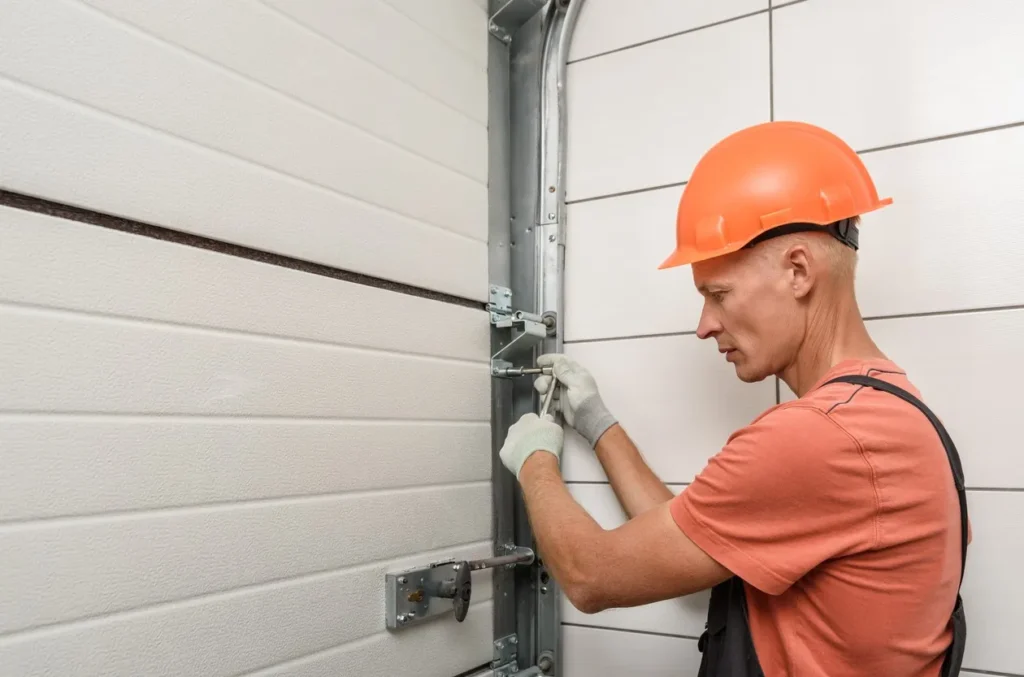
Service begins with a comprehensive inspection of the entire garage door system. Technicians evaluate door balance, track alignment, weather sealing, cable condition, roller wear, and opener performance. Service vehicles carry commonly used, professional-grade parts to complete many repairs during the initial visit. When a repair requires a specialized or less common component, the ordering process and timeline are clearly explained.
The scope of repair services covers every mechanical and electrical aspect of the door system:
- Torsion and Extension Spring Replacement: Springs are responsible for lifting the weight of the door. When they snap, the door becomes dead weight and cannot be lifted safely.
- Cable Repair and Respooling: Cables work in tandem with springs. If a cable frays or snaps, the door may tilt dangerously or jam in the tracks.
- Opener Diagnostics and Repair: Issues with the motor, logic board, or internal gears are diagnosed. This includes belt, chain, and screw drive.
- Track Alignment and Roller Replacement: Bent tracks or worn-out rollers cause loud, grinding noises and can eventually cause the door to bind or pop off the track.
- Sensor Alignment and Safety Checks: If the photo-eye sensors are misaligned or dirty, the door will refuse to close for safety reasons.
- Panel Reinforcement: Structural damage to the top section of the door often requires installing a strut to prevent the panel from buckling under the opener’s force.
The Operational Process for Restoring Your System
Understanding the repair process helps homeowners know what to expect during a service visit. Each repair follows a structured approach designed for safety and precision.
- Initial Safety Inspection: The technician arrives and immediately secures the area. Because garage doors are heavy and under tension, the first step is ensuring the door will not fall or move unexpectedly during the diagnosis.
- Diagnostic Troubleshooting: Using specialized tools, the technician tests the tension of the springs, the voltage reaching the motor, and the balance of the door. This identifies the root cause of the failure rather than just the symptom.
- Clear Explanation and Authorization: Before any work begins, you receive a detailed explanation of what is broken, why it broke, and the options for fixing it. This includes a breakdown of parts and labor.
- Execution of Repairs: Once authorized, the repair is performed using high-cycle parts. For example, if springs are replaced, both springs are typically changed to ensure the door remains balanced.
- System Calibration: After the new parts are installed, the door must be calibrated. This involves setting the limit switches on the opener (telling the door how far to open and close) and adjusting the force settings to ensure the door reverses if it hits an obstruction.
- Lubrication and Tune-Up: A standard part of the repair process involves lubricating all moving metal parts hinges, rollers, and bearing plates to reduce friction and noise.
- Final Safety Test: The technician performs a safety reversal test to verify that the sensors and pressure settings are compliant with current safety standards.
Determining When to Repair vs. Replace
Homeowners often face the dilemma of sinking money into an old system or investing in a new one. Making the right decision depends on several variables, including the age of the door, the extent of the damage, and the cost of the repair relative to a replacement.
When Repair Is the Right Choice
Repair is generally the most cost-effective option for sudden mechanical failures on a door that is otherwise in good condition. If the door panels are structurally sound and free of rust or major dents, replacing the moving parts can make the system run like new.
- Single Part Failure: If a single spring breaks or a capacitor blows in the opener, a repair restores full function for a fraction of the cost of a new system.
- Cosmetic Issues: Minor dings or scratches can often be ignored or patched if they do not affect the structural integrity of the door sections.
- Recent Installation: If the door system is under 10 years old, it likely has many years of service life remaining once the specific issue is resolved.
When Replacement Is Necessary
There comes a point where repair offers diminishing returns. If a system requires frequent service calls or if the door has become a safety hazard, replacement is the smarter financial move.
- The 50% Rule: If the cost of the repair approaches 50% of the cost of a brand-new door and opener system, replacement is usually recommended.
- Severe Structural Damage: If a vehicle has hit the door and damaged more than two panels, the structural integrity of the door is compromised. Replacing panels can be expensive and color matching faded paint is difficult, making a full replacement more logical.
- Lack of Safety Features: Garage door openers generally last 10 to 15 years. Older systems may lack current safety features and should be replaced rather than repaired.
Professional Diagnostics and Safety
Garage door repairs involve significant risk when attempted without proper training. Springs Garage door repairs involve significant risk when attempted without proper training. Springs store enough energy to lift hundreds of pounds, and improper handling can result in serious injury. Professional technicians use proper tools and proven techniques to safely manage this stored tension and reduce the risk of harm.
Technicians use winding bars and containment cables to control spring tension during service. Accurate diagnostics also prevent unnecessary part replacement, where working components are changed without addressing the real issue. A professional evaluation isolates the cause of the problem so repairs are performed correctly the first time.
- Spring Balance: A door that looks fine may actually be heavy because the springs have lost tension over time. This puts strain on the opener, stripping the gears. Technicians weigh the door to calculate the exact spring size needed (IPPT: Inch Pounds Per Turn) to ensure the door floats in the opening.
- Opener Force Settings: Modern openers have sensitive force settings. If these are set too high to force a sticky door to close, the safety reversal mechanism may not trigger when it hits an object. Professionals adjust these to the manufacturer’s precise specifications.
- Cable Inspection: Frayed cables are ticking time bombs. They often fray near the bottom bracket, where moisture collects. A professional inspection identifies these weak points before the cable snaps.
Why Professional Service Matters
Choosing a specialized garage door service provider helps protect both your home and your long-term investment. Our approach focuses on durability, mechanical accuracy, and system-wide performance rather than short-term fixes. A trained garage door technician evaluates how all components work together rather than addressing only the visible issue.
Service vehicles carry commonly used, professional-grade components such as high-cycle springs and quality rollers designed for smoother and quieter operation. These components are selected to reduce wear and extend the time between future service needs. When a repair requires a specialized or less common part, the ordering process and next steps are clearly explained.
When you choose Good Golly Garage Doors, you are choosing a service that prioritizes safety, code compliance, and mechanical efficiency. Instead of addressing only the failed component, the system is adjusted and tested to support consistent performance. From the initial call through final safety testing, the process is designed to be clear, professional, and straightforward. Enroll in our Good Golly Gold Plan and enjoy exclusive member discounts on our services.
Secure Your Home Today
A malfunctioning garage door is more than an inconvenience; it is a breach in your home’s security and a potential safety hazard for your family. Do not wait for a minor noise to turn into a major failure. Address the issue immediately with professional assistance that understands the specific needs of Anthem homes. Secure your property and restore convenience to your life. Contact us now to schedule your repair service.
Proudly Serving Phoenix, AZ, and Surrounding Areas
We provide the best garage door services you can find across Phoenix, AZ. Whether it’s the impact of Phoenix’s heat and sudden storms on garage door components, we ensure our solutions are tailored to your needs. Wherever you are, Good Golly Garage Doors is ready to deliver.
Call (602) 399-7054 All Service Areas