

Garage Door Opener Replacement in Adelanto, CA
Fast, certified solutions for garage door opener issues in Adelanto. Immediate installation and reliable replacements. Schedule an appointment and secure your home today!
Resolve Garage Door Opener Issues
Struggling with a garage door that won’t open effectively disrupts your entire daily routine and leaves your home security compromised. Experience a swift, reliable solution that restores your garage door’s functionality; schedule service today.
All installations are fully licensed, meeting local codes with flexible financing options available.
Comprehensive Opener Replacement Services
When your garage door opener fails, you need a solution that goes beyond a temporary fix. A complete replacement involves more than just swapping out the motor unit; it requires a holistic approach to ensure the entire automated system functions correctly with your existing door hardware.
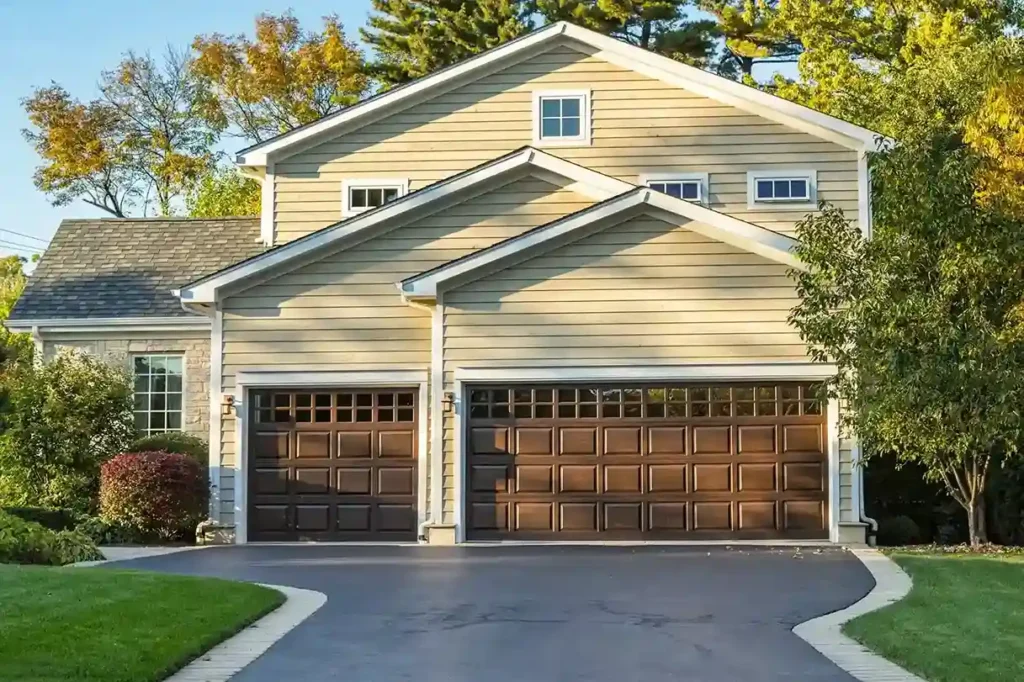
Professional replacement services provide a restoration of access. The service begins with a thorough evaluation of the existing setup. This includes checking the balance of the door, the condition of the torsion or extension springs, and the alignment of the tracks. Putting a new opener on a poorly balanced door will only lead to premature failure of the new system . The goal is to provide a seamless transition from a broken system to a quiet, efficient, and smart-connected entry point for your home.
The scope of a standard replacement includes the removal and disposal of the old motor head and rail assembly. Technicians install a new, modern system featuring advanced security protocols, such as rolling code technology which prevents code grabbing by potential intruders. The service also includes the installation of new safety sensors (photo-eyes), a multi-function wall control panel, and remote controls. Keyless entry keypads and smart-home integration gateways are often configured.
The Installation Process: Step-by-Step
A professional installation follows a strict protocol to ensure safety and longevity. This process is designed to adhere to manufacturer specifications and local building standards.
Site Safety and Power Disconnection
The process begins by cutting power to the existing system to prevent electrical shock. Technicians then disconnect the opener arm from the door and disassemble the old rail system and motor head.
Door Balance Inspection
Before the new system is unboxed, the door is manually operated. The technician lifts the door halfway. If it slams shut or shoots up, the spring tension is incorrect. This must be adjusted before the new opener is installed, as the opener is designed to move the door, not lift the dead weight of it.
Assembly of the New Rail and Carriage
The new rail system, whether it is a solid T-rail for heavy doors or a segmented rail for standard applications, is assembled. The chain or belt is tensioned to the manufacturer’s specific torque settings to prevent sagging or slapping against the rail during operation.
Mounting the Header Bracket
The header bracket is the anchor point for the rail. It must be bolted securely into the structural framing of the garage, not just the drywall. If the previous installation was loose or off-center, the technician repositions this bracket to ensure the opener pulls the door in a straight line.
Hanging the Motor Head
The motor unit is suspended from the ceiling using perforated angle iron. This “backhang” must be triangulated to prevent side-to-side vibration. In areas with high wind or seismic activity, ensuring a rigid mount is critical to preventing housing damage over time.
Wiring and Sensor Alignment
Low-voltage wiring is run from the motor to the wall station and the safety sensors. The safety sensors are mounted six inches from the floor. These are aligned using laser precision to ensure they reverse the door upon detecting an obstruction.
Setting Limits and Force
The final technical step involves programming the travel limits (how far up and down the door goes) and the force sensitivity. This ensures the door creates a weather-tight seal when closed but reverses automatically if it touches an object.
Determining When to Replace vs. Repair
Homeowners often debate whether to repair an aging system or invest in a replacement. Making the right decision depends on the age of the system, the cost of the repair, and the safety features currently in place. Good Golly Garage Doors technicians provide honest assessments to help you make this distinction.
The Ten-Year Rule
Most garage door openers have a service life of 10 to 15 years. If your system is approaching or has surpassed this age, internal gears and capacitors are likely near the end of their lifecycle. Investing in a repair for a motor this old is often a sunk cost, as other components will likely fail shortly after.
Safety Sensor Compliance
If your current opener is older than 15 years, it likely lacks external safety sensors (photo-eyes). These sensors are a non-negotiable safety requirement. If an older system malfunctions, federal regulations prohibit technicians from repairing it; it must be replaced to meet current safety codes.
Noise and Vibration
Older chain-drive models can be excessively noisy, causing vibrations that resonate through the home. If the noise level has increased significantly, it may indicate that the motor bearings are worn. Replacing the system with a modern belt-drive or direct-drive opener can significantly reduce noise, which is ideal for homes with bedrooms located above the garage.
Recurring Electronic Failure
If you have replaced logic boards or capacitors multiple times, the system likely has an underlying electrical fault or is undersized for the weight of the door. Continually replacing circuit boards is expensive and unreliable.
Security Vulnerabilities
Older openers use fixed codes that can be easily intercepted by tech-savvy thieves. Modern replacements utilize rolling code technology (Security+ 2.0), which generates a new code every time the remote is pressed, rendering code grabbers useless.
Types of Openers Available for Installation
Selecting the right drive mechanism is critical for performance and satisfaction. The architecture of your garage and your budget will dictate the best choice.
Belt Drive Openers
These are considered the gold standard for residential use. They use a steel-reinforced rubber belt to lift the door. They are virtually silent, making them the best choice for attached garages. They are durable, require no lubrication, and offer fast operation speeds.
Chain Drive Openers
Chain drives are the workhorses of the industry. They use a metal chain similar to a bicycle chain. They are generally less expensive than belt drives and are extremely durable. However, they are noisier. They are an excellent choice for detached garages where noise is not a concern.
Wall Mount (Jackshaft) Openers
These units mount on the wall beside the garage door rather than on the ceiling. They free up overhead storage space and are extremely quiet. They are ideal for garages with high ceilings or for homeowners who want to install car lifts. They also eliminate the rail system, providing a cleaner look.
Smart Openers
Modern openers come with integrated Wi-Fi capabilities. This allows you to control the door via a smartphone app, receive alerts when the door is opened, and set schedules for the door to close automatically. This feature provides an added layer of security and convenience for busy homeowners.
Why Professional Installation Matters
Attempting to replace a garage door opener without professional training can lead to property damage and personal injury. The garage door is the largest moving object in the home, and the spring system is under immense tension.
Structural Integrity
Professionals ensure the system is mounted to structural framing. A DIY installation that anchors into drywall will eventually pull loose, potentially causing the motor to fall on a vehicle or person.
Code Compliance
From the height of the photo-eye sensors to the mandatory battery backup systems required in California, professional installers ensure that every aspect of the new system meets legal safety requirements. This is crucial for liability and for the eventual resale of the home.
Integration and Calibration
Modern openers are complex computers. Calibrating the travel limits and force settings requires precision. If the force is too high, the safety reversal mechanism may fail to detect a child or pet. If set too low, the door will not close. Professionals use gauge tests to ensure these settings are within safe operating ranges.
Restore Your Home Access Today
A functioning garage door opener is essential for the security and convenience of your home. Delaying replacement can lead to further damage to your door system and leave your home vulnerable. By choosing a professional service, you ensure that your new system is installed correctly and complies with all local safety laws.
Ensure your garage door operates smoothly and reliably for years to come. Contact us today to get started.
Proudly Serving Victorville and Surrounding Areas
We provide the best garage door services you can find across Victorville, CA. Wherever you are, Good Golly Garage Doors is ready to deliver. Let’s get your garage door in Victorville, CA or beyond back in top shape with service that’s fast, friendly, and built to last.
Call (760) 979-0605 All Service Areas