
Garage Door Inspection in Sun City, NV
Struggling with garage door issues in Sun City, NV? Book a professional inspection with Good Golly Garage Doors for reliable diagnostics and rapid service. Learn more.
Is Your Garage Door Making Strange Noises or Failing to Close?
Dealing with unexpected garage door issues can disrupt your day and compromise the security of your home. We are here to provide fast, reliable inspections and diagnostics to identify the root cause of the problem immediately. Schedule your comprehensive safety inspection to restore your peace of mind.
Residents in Sun City, NV need garage systems that operate smoothly despite the harsh environmental conditions. When you book an inspection with Good Golly Garage Doors, you receive a thorough assessment designed to catch small issues before they become expensive repairs.
- Same-day service ensures your garage door is assessed and back in operation promptly.
- Transparent pricing with no hidden fees gives you peace of mind regarding inspection costs.
- 24/7 availability ensures we are on call when you face an emergency.
All services are fully licensed, insured, and come with a satisfaction guarantee to ensure your home remains safe and compliant.
Detailed Scope of a Professional Garage Door Inspection
A garage door is the largest moving object in most homes, comprised of numerous complex components under high tension. An inspection is not merely a glance at the tracks; it is a systematic evaluation of the mechanical and electrical integrity of the system. In the extreme heat common to Sun City, components like rollers, springs, and openers degrade faster than in milder climates.
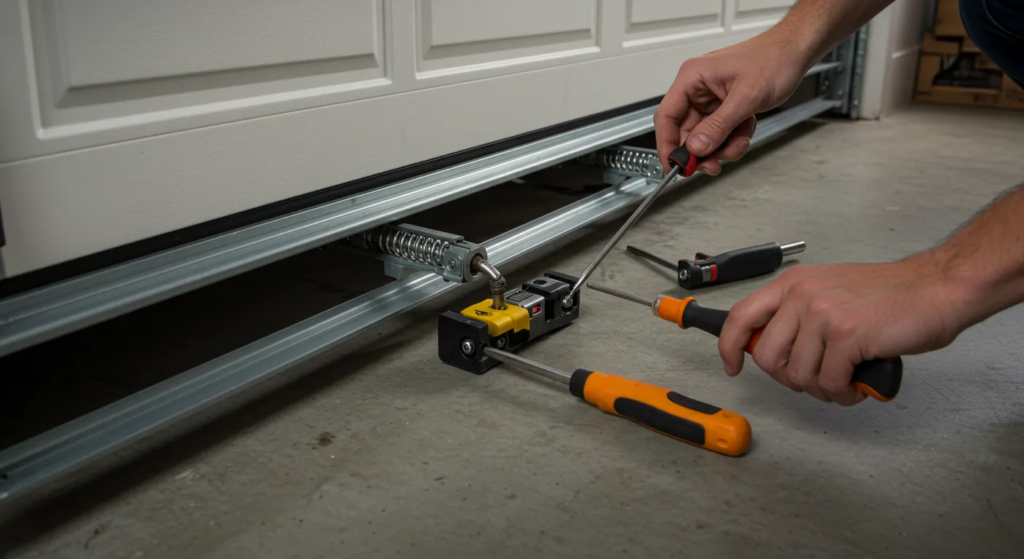
Our inspection process covers every critical hardware component. This includes checking the torsion or extension springs for signs of fatigue, rust, or elongation. We analyze the cables for fraying or separation, which are leading causes of sudden door failure. The assessment extends to the track alignment, ensuring that the vertical and horizontal tracks are plumb and parallel. Misaligned tracks often cause the grinding noises that homeowners report.
The inspection also includes a thorough review of the electric opener logic board and motor gears. We test the force settings to ensure the door stops and reverses if it encounters an obstruction. This is a critical safety feature that prevents injury or damage to vehicles. We also verify the functionality of the photo-eye sensors, ensuring they are clean, aligned, and communicating correctly with the motor.
The Inspection and Diagnostic Process
Understanding exactly what happens during a service visit helps you prepare for the appointment. The goal is to provide a clear snapshot of your system’s health and a roadmap for any necessary maintenance or repairs.
- Visual Hardware Assessment: The technician begins by inspecting the hinges, rollers, and struts. We look for metal fatigue, cracks in the hinges, or worn-out bearings in the rollers. In dry, dusty environments, nylon rollers often crack, while steel rollers may seize without proper lubrication.
- Balance Test: The technician will disengage the automatic opener to operate the door manually. A properly balanced door should lift easily with one hand and stay in place when left halfway open. If the door slams shut or shoots up, the spring tension requires adjustment.
- Safety Reverse Test: We place a standardized block in the path of the door to test the auto-reverse mechanism. If the door strikes the object and does not immediately reverse, the force settings or travel limits on the opener are adjusted immediately to meet safety codes.
- Cable and Drum Inspection: We examine the drums at the top of the door frame to ensure the cables are winding neatly. Overlapping cables can cause the door to tilt or jam. We also check the bottom brackets where the cables attach, as these are under extreme tension and are prone to rusting.
- Lubrication Verification: We check if the moving parts have adequate lubrication. The wrong type of lubricant (like standard WD-40) can attract dust and gum up the works. We determine if a silicon-based or lithium spray is needed to reduce friction and noise.
- Detailed Report Generation: Finally, you receive a breakdown of the findings. This includes immediate safety hazards, recommended repairs, and items that are functioning well but may need attention in the near future.
Analyzing the Impact of Desert Climate on Components
The environment in Sun City, NV presents unique challenges for garage door longevity. High temperatures during the summer can cause the fluid in hydraulic closers to thin out or the grease on the screw drive to dry up completely. Metal components expand in the heat, which can cause doors that work fine in the winter to stick or bind when the temperature exceeds 100°F.
Thunderstorms, primarily occurring in the summer months, bring power surges that can damage the delicate circuit boards inside modern garage door openers. An inspection often reveals if the opener requires a surge protector or if the internal wiring has suffered heat damage.
Furthermore, the lack of humidity can dry out weather stripping and vinyl seals. The bottom seal of the garage door is your first line of defense against dust, pests, and heat entering the garage. During an inspection, checking the pliability and integrity of this seal is a priority. If the seal is brittle or cracked, it compromises the thermal efficiency of your garage.
When to Repair vs. When to Replace
A professional inspection provides the data needed to make an informed financial decision. There is a distinct line between a door that needs a tune-up and a system that has reached the end of its useful life.
- Cosmetic vs. Structural Damage: If the inspection reveals minor dents or surface rust, repairs are usually sufficient. However, if the door sections are sagging, cracked, or if the wood is rotting, replacement is often the safer and more cost-effective option.
- Repeated Breakdowns: If you find yourself calling for repairs multiple times a year, the cost of “band-aid” fixes will quickly exceed the cost of a new, reliable unit. An inspection history helps track these recurring costs.
- Safety Standards: Older doors often lack modern safety features like pinch-resistant panels or compliant photo-eye sensors. If Good Golly Garage Doors identifies that your system is outdated and poses a safety risk that cannot be retrofitted, replacement is the recommended path.
- Energy Efficiency: Older, non-insulated doors allow heat to transfer easily, making your garage incredibly hot during Nevada summers. If the inspection shows that your current door has no R-value (insulation rating), upgrading to an insulated model can lower cooling costs for the adjacent rooms in your home.
- Opener Compatibility: Sometimes the door is fine, but the opener is obsolete. If parts for your specific motor model are no longer manufactured, or if it uses an insecure fixed-code remote system, we will recommend replacing the opener unit while keeping the existing door.
Importance of Professional Safety Checks Over DIY
Homeowners often attempt to inspect their own garage doors, but this can be dangerous and ineffective. Garage door springs are wound under high tension. A sudden release of this tension during a DIY check can result in severe injury or property damage. Professional technicians possess the tools and training to manipulate these components safely.
Furthermore, subtle signs of wear are often invisible to the untrained eye. A hairline fracture in a torsion spring or a slight bend in a track might look insignificant but can lead to a catastrophic failure. Professionals know exactly where stress points develop on different door models.
Local building codes and regulations regarding garage door installation and safety are strict. Licensed technicians ensure that the door complies with all current safety standards, including secondary retention for springs and proper sensor placement. Relying on a professional inspection ensures that your home insurance requirements are met and that your warranty remains valid.
Preventative Maintenance Plans and Longevity
Following an inspection, the best way to extend the life of your garage door system is through regular preventative maintenance. The inspection serves as a baseline. From there, a maintenance schedule is established based on the age of the door and daily usage frequency.
- Tightening Hardware: Over time, the vibration from the door moving up and down loosens bolts and screws. A maintenance check involves tightening every nut and bolt on the door and track to ensure rigidity.
- Spring Tension Adjustment: Springs lose tension as they cycle. Periodic adjustments keep the door balanced, which reduces the workload on the electric opener and extends the motor’s life.
- Sensor Alignment: Sensors can easily be bumped out of alignment by lawn tools, bikes, or vehicles. Regular checks ensure they remain aligned so the door closes only when the path is clear.
- Lubrication Schedule: Establishing a routine for lubricating rollers, hinges, and springs prevents rust and keeps the operation quiet. This is vital in dry climates where factory grease evaporates quickly.
Securing Your Home with Reliable Service
Your garage door is a primary entry point to your home. Ensuring it operates safely and securely is not just a matter of convenience; it is a matter of home security. A malfunctioning door can be forced open easily or may fail to close completely, leaving your home vulnerable.
By choosing a professional inspection, you gain clarity on the condition of your system. You move from guessing about strange noises to understanding the specific mechanical needs of your hardware. Whether it is a simple adjustment of the limit switches or a recommendation for a new set of springs, the focus is always on safety and reliability.
We understand the specific needs of homes in this region. From the intense summer heat to the specific architectural styles found in Sun City, our approach is tailored to local conditions. Trust Good Golly Garage Doors to provide the expertise required to keep your garage door functioning perfectly for years to come. Contact us today to schedule your comprehensive garage door inspection.
Proudly Serving Las Vegas and Surrounding Areas
From Summerlin to Henderson, we provide the best garage door services you can find across Las Vegas. Wherever you are, Good Golly Garage Doors is ready to deliver. Let’s get your garage door in Las Vegas or beyond back in top shape with service that’s fast, friendly, and built to last.
View All Cities
 All Service Areas