
Garage Door Inspection in Round Rock, TX
Fast and reliable garage door inspections in Round Rock, TX. Schedule today for comprehensive assessments and regain peace of mind. Call now for 24/7 service!
Immediate Garage Door Inspection Solutions
Facing urgent garage door issues that can’t wait? Get swift, professional garage door inspections in Round Rock with us. If you suspect your system is failing, schedule your inspection today to restore safety and function immediately. Good Golly Garage Doors provides comprehensive assessments to identify root causes and prevent costly emergencies.
- 24/7 service ensures your garage door is inspected any time, any day.
- From safety checks to efficiency assessments, complete diagnostics provided.
- Transparent pricing and quick turnaround times from local experts.
Licensed professionals ensuring full compliance with local safety standards for peace of mind.
What to Expect from Your Inspection Today
When you request a professional inspection, the goal is to obtain a complete health report on the largest moving object in your home. A garage door system comprises numerous distinct components that must work in unison. Even a minor misalignment in the tracks or a slight variance in spring tension can lead to catastrophic failure. Our technicians arrive ready to perform a multi-point audit that covers every mechanical and electrical aspect of the system.
Residents in Round Rock, TX often experience specific wear and tear due to the local environment. During the visit, the technician evaluates the counterbalance system, which includes the high-tension springs and cables responsible for lifting the door’s weight. If these components are fatigued, the door becomes heavy and dangerous. The inspection also covers the structural integrity of the panels and the hardware that holds everything together. Loose hinges or worn bearings can cause the door to bind or operate noisily, signaling impending failure.
We also focus heavily on the automatic opener and safety features. Modern safety standards require rigorous testing of the auto-reverse mechanism and the photo-eye sensors. These systems prevent the door from closing on a vehicle, person, or pet. Our assessment verifies that these safety protocols are active and functioning correctly. You receive a clear, jargon-free report detailing the current condition of your door, immediate repair needs, and potential future issues. This approach allows you to make informed decisions about maintenance without sales pressure.
Our Inspection Process: Thorough and Efficient
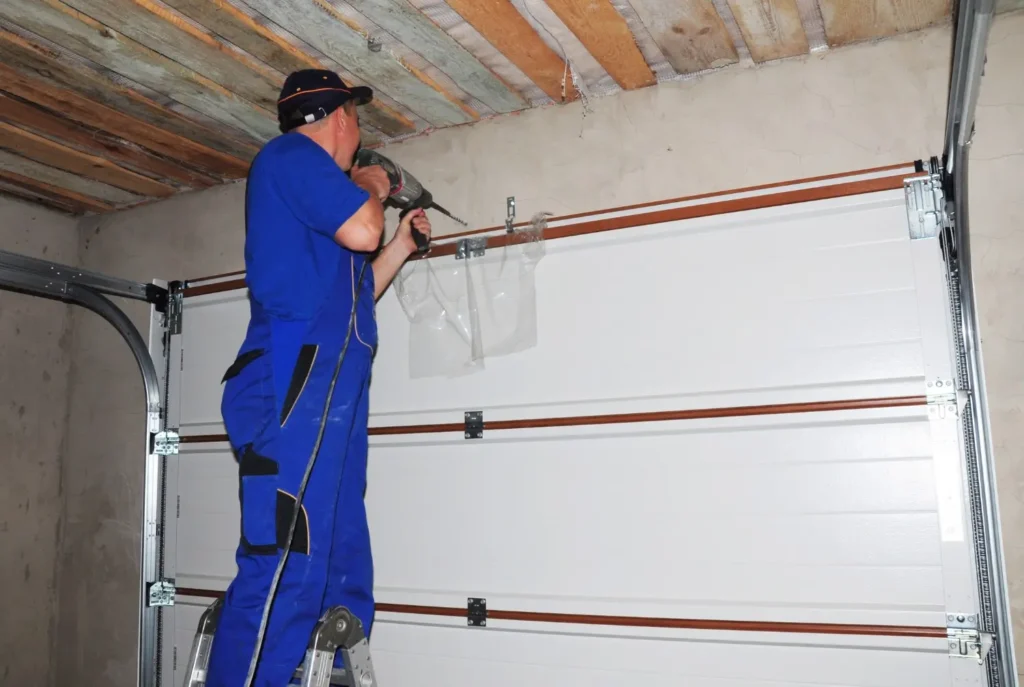
A proper garage door inspection is systematic and leaves nothing to chance. We follow a strict protocol to ensure every component is evaluated for safety, performance, and longevity. This process is designed to uncover hidden issues that typically go unnoticed until the door refuses to open.
Visual Structural Assessment
The process begins with a detailed visual check of the door panels, tracks, and mounting hardware. Technicians look for cracks, dents, or signs of stress fatigue in the metal. In areas with high humidity, we also check for rust accumulation on steel parts or rot on wooden doors. The vertical and horizontal tracks are measured for proper alignment, as even a fraction of an inch off-center can cause the rollers to grind or pop out of the track.
Counterbalance and Spring Testing
The springs are the engine of your garage door system. Whether your system uses torsion springs mounted above the door or extension springs along the sides, they are under immense tension. Good Golly Garage Doors technicians carefully test the balance of the door by disconnecting the opener and operating the door manually. A properly balanced door should lift easily with one hand and stay in place when released halfway. If the door slams shut or shoots up, the springs require immediate adjustment or replacement.
Cable and Drum Inspection
The lift cables work in tandem with the springs. We inspect the cables for fraying, kinking, or rust. A single frayed strand can compromise the strength of the cable, leading to a snap that drops the door unexpectedly. We also inspect the drums at the top of the door to ensure the cable winds continuously and evenly without overlapping, which can cause the door to hang crookedly.
Hardware Torque and Lubrication Check
Vibration from daily operation naturally loosens bolts and screws over time. The inspection includes tightening all hinges, roller brackets, and track bolts. Concurrently, we check the lubrication status of all moving parts. Using the wrong lubricant, such as heavy grease on tracks, can attract dust and grit, essentially creating a grinding paste that wears out rollers. We verify that the correct silicone or lithium-based lubricants are present on springs, rollers, and hinges.
Opener Gear and Logic Board Diagnostics
The electric opener is subjected to a series of tests. We inspect the drive mechanism—belt, chain, or screw—for proper tension and wear. Inside the motor housing, we check the plastic gears, which are often the first point of failure in older units. The logic board and internal wiring are tested for continuity, ensuring that the wall switch, remote controls, and keypads communicate effectively with the motor.
Safety Sensor Alignment and Reverse Test
The final and most critical step is the safety test. We physically test the auto-reverse feature by placing a solid object in the door’s path. Upon contact, the door must immediately reverse direction. We also test the photo-eye sensors to ensure that breaking the invisible beam stops the door’s downward travel instantly. Misaligned sensors are a common cause of “ghost” reversals, where the door opens by itself or refuses to close.
Deciding Between Repair and Replacement: A Quick Guide
After an inspection, you may face a decision: fix the current components or invest in a new system. This decision depends on the age of the unit, the extent of the damage, and the long-term cost implications.
When to Choose Repair
Repair is generally the best route if the door system is under ten years old and the damage is isolated. For example, a broken spring on an otherwise healthy door is a standard repair. Similarly, if the door makes noise due to worn rollers but the panels and tracks are in good condition, a “tune-up” with part replacements is cost-effective. Cosmetic damage to a single panel can often be resolved by replacing just that section rather than the entire door.
When to Choose Replacement
Replacement becomes necessary when the structural integrity of the door is compromised. If the door has been hit by a vehicle and the tracks are bent or multiple panels are buckled, repair is often a temporary band-aid. Furthermore, if your opener was manufactured before 1993, it likely lacks modern entrapment protection sensors. In this case, replacement is a safety imperative. Frequent breakdowns where the cost of cumulative repairs approaches 50% of the cost of a new system also signal that it is time to upgrade.
Energy Efficiency Considerations
Older, non-insulated doors transfer heat rapidly. In a climate where summer temperatures soar, a thin steel door turns your garage into an oven, radiating heat into your home. If the inspection reveals that your current door provides zero thermal resistance, replacing it with an insulated model can lower your energy bills and protect items stored in the garage from extreme heat.
Local Compliance and Seasonal Advisories for Round Rock
Operating a garage door in Central Texas presents unique challenges due to the specific climate and regional building codes. Understanding these local factors helps in maintaining the longevity of your system.
Heat and Humidity Impact
Summers in this region are intensely hot and humid. High temperatures can cause the lubrication on your garage door opener’s chain or screw drive to liquefy and drip, or dry out completely, leading to metal-on-metal friction. The heat also affects the sensitivity of the safety sensors and the electronics within the opener logic board. Inspections during the transition from spring to summer focus on ensuring that lubricants are fresh and heat-resistant.
Storm Readiness and Wind Load
Spring and fall bring the potential for severe weather, including thunderstorms and high winds. While not coastal, the region is subject to strong wind gusts. Garage doors are large surface areas that must withstand positive and negative wind pressures. Our inspection verifies that your door meets local wind load requirements. This includes checking the reinforcement struts on the interior of the panels, which prevent the door from bowing or collapsing during a storm.
Battery Backup Requirements
Severe weather often leads to power outages. If your garage is the primary entry point to your home, a power outage can lock you out or trap your vehicle inside. We check the health of backup batteries in modern openers. If your system lacks a battery backup, we can assess the feasibility of adding one or ensuring your manual emergency release cord is accessible and functional.
Foundation Shifts
The soil in this part of Texas is known for shifting, which can affect the foundation of your garage. A shifting foundation can throw the door frame out of square. If the frame settles unevenly, the tracks will no longer be parallel, causing the door to bind or jam. Our inspection looks for these structural variances that are external to the door itself but critical to its operation.
Why Choose Us: Local Expertise and Reliable Results
Selecting a service provider for garage door inspections requires finding a partner who understands both the mechanical systems and the local environment. We prioritize operational excellence and customer clarity over sales tactics.
- Fully Stocked Service Vehicles: Our goal is to resolve issues immediately following the inspection. Our trucks are stocked with high-cycle springs, cables, heavy-duty rollers, and standard electronic components. This inventory management means that if a defect is found during the inspection, we can often perform the repair on the spot without the need for a return visit.
- Trained Diagnostic Specialists: Our technicians are trained to troubleshoot, not just replace parts. We utilize diagnostic tools to test motor amperage, capacitor strength, and spring tension. This scientific approach ensures that we identify the root cause of the problem, rather than just treating the symptom.
- Safety-First Protocol: Garage doors are heavy, dangerous machinery under high tension. We strictly adhere to safety protocols during every inspection to protect your property and family. We do not take shortcuts with torsion springs or safety sensors. Every recommendation we make is backed by safety codes and manufacturer specifications.
- Clear, Upfront Communication: You receive a detailed explanation of our findings. We separate “urgent safety hazards” from “recommended maintenance,” allowing you to prioritize repairs based on your budget and immediate needs. There are no hidden fees or surprise charges; you know exactly what the inspection covers and what any subsequent repairs will entail.
Protect Your Home with Expert Garage Door System Assessments
Your garage door is the largest moving part of your home and a primary entry point. Neglecting its maintenance can lead to inconvenience, security risks, and costly emergency repairs. Good Golly Garage Doors’s professional inspection provides the baseline data you need to keep your home secure and your day-to-day routine uninterrupted.
Take the proactive step to ensure your garage door system is safe, efficient, and reliable. Contact us now to schedule your comprehensive garage door inspection.
Proudly Serving Austin, TX, and Surrounding Areas
From the neighborhoods of Austin to Round Rock and Buda, we provide the best garage door services you can find across the area. Whether it’s the impact of Texas heat and sudden storms on garage door components, we ensure our solutions are tailored to your needs. Wherever you are, Good Golly Garage Doors is ready to deliver.
View All Cities
 All Service Areas