

Garage Door Inspection in Pflugerville, TX
Ensure your garage door operates smoothly with professional inspection and repair services in Pflugerville. Contact Good Golly Garage Doors for reliable service and security. Schedule today!
Is Your Garage Door Acting Up or Making Strange Noises?
Is your garage door failing to open properly, getting stuck halfway, or making grinding sounds that wake the neighbors? Immediate inspection and professional attention can prevent minor mechanical glitches from escalating into dangerous failures or costly system replacements. Residents in Pflugerville rely on functioning garage doors for security and convenience, and Good Golly Garage Doors is here to ensure your system operates safely.
Contact us today to schedule your safety inspectionor call [Insert Phone Number] for immediate assistance.
We provide homeowners with clarity and restored function through:
- Same-day inspection and repair services to restore your garage door promptly.
- Professional technicians available 24/7 for any emergency repairs or sudden failures.
- Free, no-obligation estimates, ensuring transparent pricing before any work begins.
- Licensed and insured professionals guarantee quality and reliability with every job.
What a Comprehensive Garage Door Inspection Includes
A garage door is the largest moving object in your home, comprised of numerous components under high tension. When you schedule a professional inspection, you are not paying for a quick glance at the panels. You receive a rigorous, multi-point assessment designed to identify wear, misalignment, and potential safety hazards before they cause an accident.
The scope of a proper inspection covers three main systems: the door itself, the counterbalance system, and the automatic opener.
The Door and Hardware Analysis
Technicians examine the structural integrity of the door sections. This involves checking for cracks, dents, or separation in the panels that could compromise insulation or security. The hardware inspection is equally critical. We verify the condition of every hinge to ensure they are holding the panels together tight. We check the rollers to see if the bearings are worn out or if the wheels are pitted, which causes vibration and noise. The vertical and horizontal tracks are measured for proper spacing and alignment; even a slight deviation here can cause the door to bind or pop off the track.
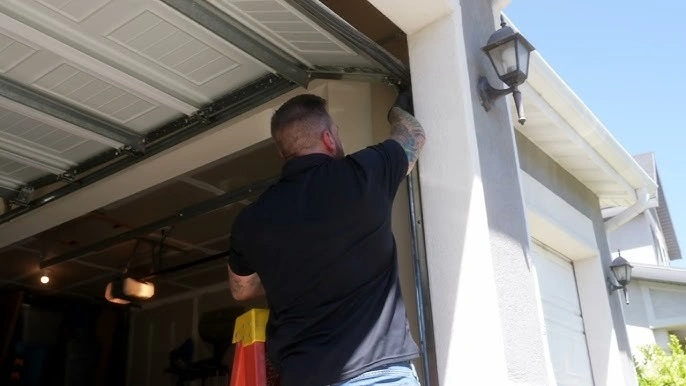
Counterbalance System Evaluation
This is the most dangerous part of the garage door assembly. The inspection focuses heavily on the torsion or extension springs. We look for signs of rust, elongation, or gaps in the coils that indicate the spring is near the end of its lifecycle. The cables are inspected for fraying or kinking. A frayed cable is a snapping hazard that can drop a heavy door instantly. The drums and bearing plates are also checked to ensure the door moves smoothly without grinding.
Opener and Safety Mechanism Testing
The motor unit is tested for proper force settings. If the opener strains to lift the door, it burns out the motor prematurely. The drive mechanism—whether belt, chain, or screw—is inspected for slack or wear. Most importantly, the safety features are rigorously tested. This includes the photo-eye sensors (ensuring they reverse the door when the beam is broken) and the pressure reverse mechanism (ensuring the door goes back up if it hits an object).
The Inspection Process: Step-by-Step
Understanding how a technician approaches the inspection helps homeowners prepare for the visit. The goal is to be thorough yet efficient, minimizing disruption to your day while maximizing the safety of the system.
- Visual Assessment: The technician begins by inspecting the door in the closed position to look for daylight showing through the perimeter seals or damage to the bottom rubber gasket.
- Manual Balance Test: The automatic opener is disengaged to operate the door manually. A properly balanced door should lift easily with one hand and stay open around waist height without falling or shooting up.
- Hardware Tightening: Over time, vibration loosens bolts. The technician moves systematically across the door, tightening track brackets, motor mounts, and hinge screws.
- Lubrication: Specific garage door lubricant is applied to metal-to-metal contact points, such as rollers and hinges. This is distinct from standard grease, which attracts dirt and grit.
- Safety Reversal Test: A standardized block is placed under the door. The door is closed automatically to ensure it reverses upon contact. If it fails, force adjustments are made immediately.
- Sensor Alignment: The safety eyes are cleaned and realigned to ensure a solid signal.
- Report Generation: Finally, you receive a detailed report outlining the condition of the system, categorizing findings into immediate repairs, recommended maintenance, and components in good condition.
Repair vs. Replacement: Knowing Where You Stand
One of the primary goals of an inspection is to provide the data necessary to make financial decisions regarding your home. Not every squeak requires a new door, but not every broken door can be fixed with a simple repair. We help you distinguish between a system that needs a tune-up and one that has become a liability.
When to Repair
Repair is the preferred route when the structural integrity of the door sections is sound. If the issue is isolated to moving parts—such as a broken spring, a snapped cable, or worn-out rollers—these are standard maintenance items. Replacing a logic board in an opener or swapping out a stripped gear is also cost-effective compared to buying a new unit, provided the unit is relatively modern.
When to Replace
Replacement becomes the logical choice when the cost of repairs approaches 50% of the cost of a new system. If the door sections are rusted through, wood is rotted, or multiple panels are damaged, patching them is often a temporary and unattractive fix. Furthermore, if your garage door opener lacks modern safety features (specifically safety sensors required on units manufactured after 1993), replacement is a safety necessity, not just an upgrade. Older doors without insulation in Pflugerville often lead to higher energy bills, making a modern, insulated replacement a smart investment for thermal efficiency.
Regional Factors Affecting Garage Doors in Pflugerville
Local climate and environmental conditions play a significant role in how garage doors wear down. In this region, specific factors accelerate the degradation of mechanical components, making regular inspections vital for longevity.
- Thermal Expansion and Contraction: The intense heat of Texas summers followed by occasional freezing temperatures in winter causes metal parts to expand and contract. This cycle often loosens hardware and can cause the door to shift out of alignment with the tracks.
- Humidity and Rust: Periods of high humidity or heavy precipitation can lead to oxidation on steel cables, springs, and unpainted hardware. Rust weakens these high-tension parts, increasing the risk of sudden failure.
- Soil Shifting: The ground conditions in the area can shift due to moisture changes (drought vs. heavy rain). This foundation movement can slightly alter the shape of the garage opening, causing the tracks to become misaligned and the door to bind or stick.
- Storm Debris: Severe weather in the spring often brings wind and debris. Even minor impacts can dent panels or knock tracks out of plumb, requiring professional realignment to prevent further damage to the opener.
- Pest Intrusion: During extreme weather, pests look for entry points. Worn bottom seals or side weatherstripping are common entryways for rodents and insects, necessitating checks on perimeter seals.
Recognizing Urgent Warning Signs
While a scheduled annual inspection is best practice, certain symptoms indicate that your garage door system requires immediate professional attention. Ignoring these signs often leads to the door becoming stuck in the closed position, trapping your vehicle inside, or failing in the open position, leaving your home unsecured.
- Loud Grinding or Screeching: Metal-on-metal sounds usually indicate a lack of lubrication or worn-out rollers. However, a loud bang followed by a door that won’t open typically indicates a broken spring.
- Slow Response Time: If the opener hums for several seconds before the door moves, or if the door moves significantly slower than usual, the motor may be failing or the door is unbalanced.
- Sagging Sections: When the door is in the midway position, check for sagging. This indicates the door is losing structural rigidity and may collapse under its own weight if not reinforced or replaced.
- Jerky Movement: A door that shudders or moves in a jerking motion rather than a smooth glide suggests obstructions in the track or uneven spring tension.
- Higher Energy Bills: If the garage is attached to the home, a door with failing weather seals acts as a massive thermal leak, driving up HVAC costs during peak summer and winter months.
Why Professional Oversight Matters
Attempting to inspect or repair a garage door without proper training is inherently dangerous. The torsion springs are wound tightly to lift a door that weighs several hundred pounds. Releasing this tension incorrectly can result in severe injury or property damage.
Professional technicians possess the specialized tools required to measure tension safely and adjust components with precision. Beyond safety, professional oversight ensures that your warranty remains valid. Many manufacturers void warranties if repairs or adjustments are performed by unlicensed individuals.
Furthermore, professionals understand the local building codes and permit requirements in Pflugerville. Whether it is ensuring the door meets wind load specifications or that the electrical connections for the opener are up to code, a professional inspection covers legal and safety bases that a DIY check cannot.
Ensuring Long-Term Reliability
Your garage door is the main entry point for your home and a critical layer of security. Neglecting it turns a convenient appliance into a potential hazard. Regular inspections catch small issues—like a fraying cable or a loose bracket—before they become emergency situations that disrupt your life.
Routine maintenance extends the lifespan of the entire system, delays the need for expensive capital outcomes, and ensures that the door operates quietly and smoothly. Good Golly Garage Doors provides the expertise needed to keep your home accessible and secure. Whether it is a routine checkup or an investigation into a strange noise, professional assessment is the key to a functioning home.
Protect Your Home with Professional Garage Door Inspections
Strange noises, uneven movement, or slow response from your garage door are early warning signs you should never ignore. With detailed multi-point inspections tailored to Pflugerville’s climate and building conditions, Good Golly Garage Doors helps homeowners catch problems early, avoid sudden failures, and extend the life of their entire system. From structural checks and spring evaluations to opener safety testing and climate-specific recommendations, our professionals provide the clarity and confidence you need to protect your home. To keep your door operating safely, quietly, and reliably year-round, contact Good Golly Garage Doors today to schedule your comprehensive garage door inspection.
Don’t wait for the door to get stuck. Secure your home and ensure your family’s safety by booking your comprehensive garage door inspection today.
Proudly Serving Austin, TX, and Surrounding Areas
From the neighborhoods of Austin to Round Rock and Buda, we provide the best garage door services you can find across the area. Whether it’s the impact of Texas heat and sudden storms on garage door components, we ensure our solutions are tailored to your needs. Wherever you are, Good Golly Garage Doors is ready to deliver.
View All Cities
 All Service Areas