
Garage Door Inspection in New River, AZ
Troubled by your garage door in New River? Book a professional inspection today and ensure your system's safety and efficiency. Call us for rapid service!
Troubled by a Faulty Garage Door? Get It Inspected at Your Convenience!
Experiencing unexpected issues with your garage door can disrupt your day-to-day routine and compromise the security of your home in New River. Contact Good Golly Garage Doors or fill out our online form for a comprehensive safety inspection and clear recommendations.
When you book a professional inspection, you eliminate the guesswork and ensure your heavy door system operates safely over your vehicle and family. We provide a streamlined assessment designed to identify wear, mechanical failure, and safety hazards before they become costly problems.
- Flexible scheduling for garage door inspection services.
- Professional advice and repairs from licensed technicians.
- Peace of mind with every call, backed by a no upsell guarantee.
Fully licensed and insured for your security and satisfaction.
Comprehensive System Evaluation and Safety Audit
A garage door is often the largest moving object in a home, comprised of numerous components under high tension. When you schedule a service visit, the goal is not merely to glance at the door but to perform a forensic examination of the entire operating system. Residents in New River often rely on their garage doors as the primary entry point, meaning the cycle count on these mechanisms is high. A professional inspection digs deep into the mechanical, structural, and electrical health of the garage door system.
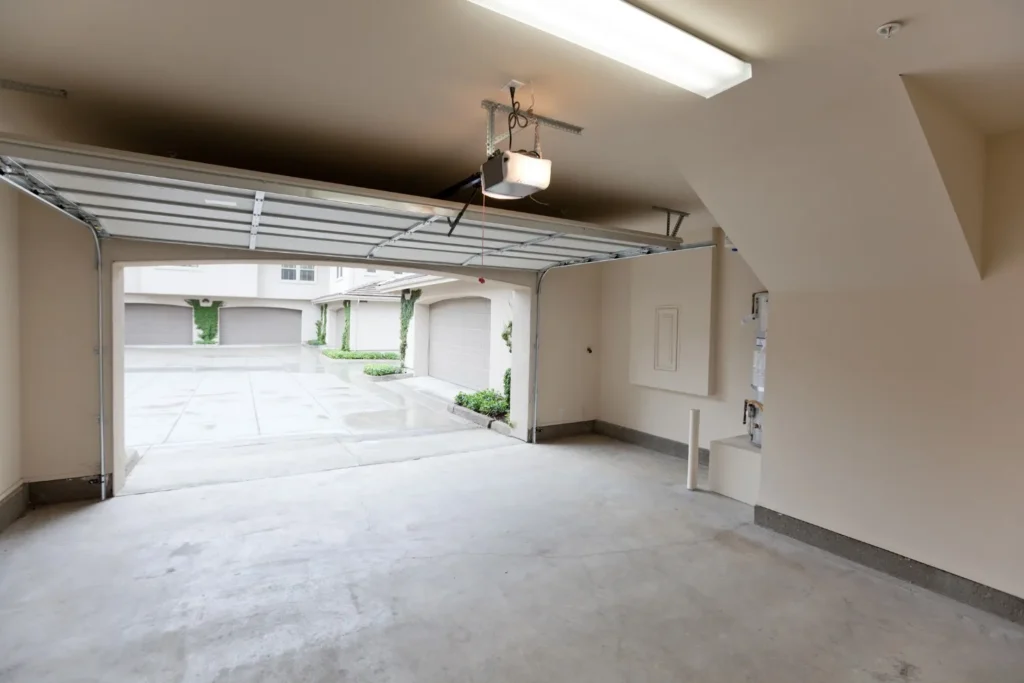
The evaluation process covers every hardware component. Technicians examine the counterbalance system, which includes the torsion or extension springs, to ensure they are holding the correct amount of tension. A spring that has lost tension places excessive strain on the opener, leading to premature motor failure. The inspection also covers the condition of the lifting cables. Fraying, rusting, or kinking in cables are immediate red flags that require attention to prevent a catastrophic cable snap.
Beyond the counterbalance system, the hardware audit includes tightening loose bolts and nuts on the hinges and brackets. Vibration from daily operation naturally loosens these fasteners over time. If left unchecked, a loose hinge can cause the door panels to crack or the door to fall off the tracks. Rollers are checked for flat spots or worn bearings, which contribute to noisy and jerky operation.
Electrical safety is another pillar of the inspection. This involves testing the logic board, the motor’s force settings, and the connectivity of wall switches and remotes. If the door reverses unexpectedly or refuses to close, the issue often lies in the safety sensors or the force limit settings. A proper inspection diagnoses these electrical phantom issues that often frustrate homeowners.
The Inspection Workflow: From Diagnosis to Adjustment
Understanding the sequence of a professional inspection helps homeowners know exactly what is happening in their garage. The process is systematic, ensuring no component is overlooked.
- Visual Assessment: The technician begins by inspecting the door panels for cracks, dents, or separation. They check the track alignment to ensure the vertical and horizontal tracks are plumb and parallel. Misaligned tracks create friction that damages the rollers and opener.
- Balance Test: To check the health of the springs, the technician disengages the automatic opener and lifts the door manually. A properly balanced door should lift easily with one hand and stay open about three to four feet above the ground. If the door slams shut or shoots up, the springs require adjustment.
- Safety Reverse Test: This is a critical safety check. The technician places a 2-by-4 board flat on the ground in the center of the door opening. When the door closes and hits the board, it must reverse immediately. Failure to reverse indicates a serious safety concern that must be corrected.
- Photo Eye Sensor Alignment: The safety sensors located at the base of the tracks are inspected for cleanliness, alignment, and wiring integrity. Even a slight misalignment or a layer of desert dust can prevent the door from closing.
- Lubrication and Tune-Up: Once the inspection identifies the state of the hardware, the technician applies professional-grade lubricant to springs, rollers, and hinges. This is not standard WD-40, which attracts dirt, but a silicone or lithium-based spray designed for garage doors.
- Force Setting Calibration: If the opener is struggling to lift the door or reversing unnecessarily, the force settings on the motor unit are adjusted to the manufacturer’s specifications.
Good Golly Garage Doors emphasizes a transparent workflow where the technician walks you through the findings immediately after the assessment. This ensures you understand the difference between a critical safety repair and a recommended maintenance item.
Determining When to Repair vs. Replace Components
A thorough inspection often leads to a decision point: is it better to repair the specific failing part or consider a system replacement? This decision depends on the age of the system, the extent of the damage, and the cost-benefit analysis of the repair.
Repair Indicators:
- Isolated Component Failure: If a single spring breaks but the opener and door panels are in good condition, a simple spring replacement is the logical path.
- Cosmetic Damage: Minor dents in a steel panel or a cracked window insert can usually be repaired or the individual section replaced without swapping the entire door.
- Sensor Misalignment: If the door won’t close but the mechanical parts are sound, the issue is likely a sensor adjustment or wiring fix, which is a standard repair.
- Noise Reduction: Often, a noisy door just needs nylon rollers and a tune-up. If the structural integrity is fine, replacement is unnecessary.
Replacement Indicators:
- System Age: Garage door openers typically last 10 to 15 years. If your unit is older and requires a major repair like a logic board or motor replacement, investing in a new unit with modern safety features and battery backup is often more economical.
- Structural Integrity: If the door sections are sagging, cracked, or taking on moisture, common in older wood doors, the structural integrity is compromised. No amount of repair will restore the safety of a rotting or bent door.
- Safety Standards: Some older openers may lack mandated safety reverse sensors and other modern protections. If an inspection reveals these limitations, replacement is strongly advised for safety and liability reasons.
- Recurring Costs: If you find yourself calling for repairs multiple times a year, the cumulative cost of service calls may exceed the price of a new, reliable system.
Why Professional Inspection Beats DIY
While homeowners can perform visual checks, a professional inspection offers a depth of analysis that goes beyond surface-level observation. Garage door systems operate under extreme tension, specifically the torsion springs. These springs are wound tightly to lift hundreds of pounds. Attempting to inspect, touch, or adjust these springs without proper training and tools carries a high risk of severe injury.
Professionals utilize specialized diagnostic tools to check motor amperage and capacitor strength, which are not visible to the naked eye. They can identify hairline cracks in hinges or stress fractures in mounting brackets that a homeowner might miss. Furthermore, a professional understands the specific load requirements of different door materials, whether it is an insulated steel back door or a custom wood carriage house door.
Licensed technicians also ensure that all repairs and adjustments comply with local building codes and safety regulations. This is particularly important for wind load ratings and safety entrapment protection. When a professional signs off on an inspection, it provides a verified status of the door’s safety, which can be valuable for real estate transactions or insurance purposes.
Ensuring Long-Term Reliability and Safety
Regular inspections are the most effective way to extend the lifespan of your garage door system and prevent unexpected entrapment or failure. By addressing minor wear and tear before it escalates, you maintain the security and functionality of your home’s largest entrance.
Prioritize the safety of your household and the longevity of your equipment. A small investment in maintenance helps reduce the likelihood of unexpected breakdowns and high repair costs. Rely on experienced professionals to provide the honest, detailed assessment your home requires.
Schedule a professional inspection to support your home’s access and ensure your system is operating as intended. Contact Good Golly Garage Doors to arrange your comprehensive inspection and review your options for continued performance.
Proudly Serving Phoenix, AZ, and Surrounding Areas
We provide the best garage door services you can find across Phoenix, AZ. Whether it’s the impact of Phoenix’s heat and sudden storms on garage door components, we ensure our solutions are tailored to your needs. Wherever you are, Good Golly Garage Doors is ready to deliver.
Call (602) 399-7054 All Service Areas