
Garage Door Inspection In Lakeway, TX
Seeking reliable garage door inspection in Lakeway? Schedule a safety check to prevent unexpected breakdowns and ensure smooth, secure operation.
Get Your Garage Door Inspection Done Right – Avoid Future Hassles
Worried about your garage door’s performance in Lakeway’s tough climate? Seasonal shifts and high humidity can mean unexpected problems, leading to safety hazards or sudden breakdowns that trap your vehicle inside. Call us now to schedule your comprehensive safety inspection today:
- Quick, comprehensive inspections tailored to Lakeway’s unique conditions.
- Prevention of frequent issues like rust, spring failure, and operational faults.
- Long-term maintenance tips to extend the life of your garage door.
Licensed and assured services, with flexible scheduling to suit your busy life. Good Golly Garage Doors provides the technical expertise required to identify vulnerabilities in your system before they turn into expensive emergency repairs.
Immediate Inspection, Immediate Peace of Mind
A garage door is the largest moving object in your home, often serving as the primary entrance. When it malfunctions, it disrupts your daily routine and compromises the security of your property. Waiting until the door refuses to open or comes off its tracks often results in higher repair costs and significant inconvenience. An immediate, professional inspection identifies the root cause of noise, hesitation, or imbalance in the system.
Homeowners in Lakeway frequently encounter issues related to the specific wear and tear of daily use combined with environmental stressors. An inspection is not just a glance at the hardware; it is a rigorous testing of the mechanical and electrical components that keep the door operating safely. If you hear grinding noises, see the door shaking during operation, or notice a delay in response from your opener, these are clear signals that the system requires professional assessment.
Identifying worn cables, rusting springs, or misaligned sensors early prevents catastrophic failure. A snapped cable or broken spring can cause the heavy door to slam shut, posing a severe risk to people and pets. By prioritizing an inspection today, you ensure the mechanism operates smoothly, preserving the structural integrity of the door and the safety of your household.
Today’s Service: What to Expect and When
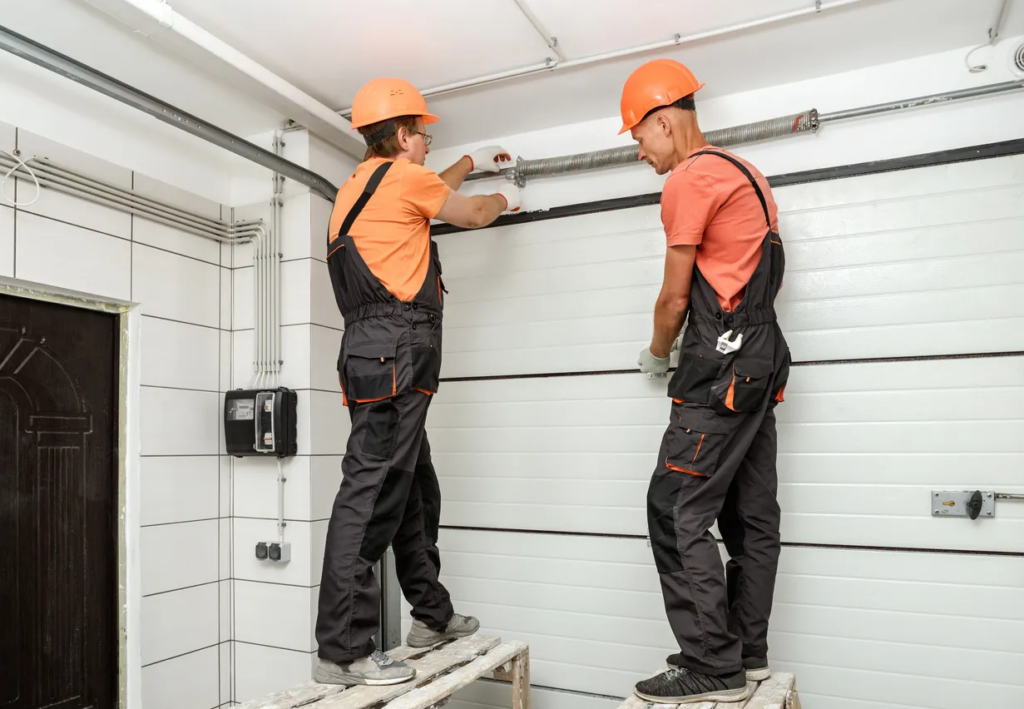
When you book a professional inspection, the goal is to provide a complete health check of the entire garage door system. The service is designed to be efficient, thorough, and transparent, leaving you with a clear understanding of your door’s condition without aggressive sales pressure:
- Visual Assessment: The technician examines the door panels, hinges, and struts for cracks, dents, or signs of fatigue.
- Hardware Tightening: Over time, vibration loosens bolts and screws. The service includes tightening all hardware on the door and track to ensure rigidity.
- Balance Test: The door is disconnected from the opener to manually check the balance. A properly balanced door should stay halfway open without assistance; if it falls or shoots up, the springs need adjustment.
- Lubrication: Critical moving parts, including rollers, hinges, and springs, are lubricated with specialized garage door grease (not standard WD-40, which attracts dust) to reduce friction and noise.
- Opener Diagnostics: The technician checks the motor’s gear and sprocket assembly, belt or chain tension, and logic board functionality.
Most inspections are completed within an hour, depending on the complexity of the system and accessibility. If minor adjustments are needed, they are often performed on the spot. If significant repairs are identified, the technician provides a detailed report explaining which parts are critical to replace immediately and which can be monitored over time. This allows you to make informed decisions based on safety and budget.
Understanding Your Garage Door Inspection Process
A structured approach ensures no component is overlooked. The inspection process follows a logical sequence, moving from the physical structure of the door to the mechanical counterbalance system, and finally to the electrical opener and safety features:
Structural and Hardware Analysis
- Track Alignment: Vertical and horizontal tracks are measured to ensure they are parallel and plumb. Misalignment causes premature wear on rollers and can lead to the door jamming.
- Roller Condition: Nylon and steel rollers are checked for cracks or flat spots. Worn rollers cause the “bumping” sound often heard during operation.
- Cable Integrity: Lift cables are inspected for fraying or corrosion. Even minor fraying indicates a high risk of snapping under the high tension required to lift the door.
- Hinge Wear: Hinges are checked for stress fractures. Broken hinges can cause the door panels to sag and bind against the tracks.
Counterbalance System Check
- Torsion or Extension Springs: This is the most critical part of the inspection. The technician looks for gaps in the coils (indicating a break) and checks the winding cones. For extension springs, the safety containment cables are verified to ensure they are present and intact.
- Shaft and Bearings: The torsion tube and end bearings are inspected for wear. Worn bearings cause a grinding noise and put excess strain on the opener.
- Drum Condition: The drums at the end of the torsion shaft are checked for cracks or debris that could cause the cable to jump off.
Safety and Opener Evaluation
- Photo-Eye Sensors: The safety sensors located at the base of the tracks are tested for alignment and cleanliness. The technician verifies that breaking the beam immediately reverses the closing door.
- Force Settings: The opener’s force sensitivity is tested. The door should stop and reverse if it encounters resistance while closing (like a hand or an object).
- Emergency Release: The red emergency release cord is tested to ensure the door can be manually operated during a power outage.
Deciding Between Repair or Full Replacement
During an inspection, the question often arises: is it worth fixing the current door, or is replacement the more economical long-term choice? This decision depends on the extent of the damage, the age of the system, and the overall efficiency of the door. Good Golly Garage Doors technicians help you weigh these factors objectively.
Consider Repair When:
- The Issue is Isolated: If the problem is a single broken spring or a frayed cable, but the panels and track are in good condition, repair is the cost-effective solution.
- The Door is Relatively New: If the door is under 10 years old and has minimal cosmetic damage, investing in maintenance or minor part replacement restores it to near-new functionality.
- Cosmetic Damage is Minor: Small dents or scratches that do not affect the structural integrity or movement of the door can often be ignored or patched.
- The Opener is the Only Failure: If the door itself is solid but the motor has died, replacing just the opener unit is a viable option.
Consider Replacement When:
- Structural Integrity is Compromised: If multiple panels are cracked, sagging, or rusted through, the door loses its ability to protect your home. Replacing panels can sometimes cost nearly as much as a new door.
- Safety Features are Obsolete: Older doors lacking modern safety sensors or pinch-resistant panels pose a liability. Updating to a modern system ensures compliance with current safety standards.
- Severe Weather Damage: If the door has been warped by water or battered by debris, it may never seal properly again. A new door ensures a tight seal against the elements.
- Energy Efficiency is Lacking: Older, uninsulated wood or single-layer steel doors allow significant heat transfer. If your garage is attached to your home, a new insulated door can lower energy bills.
- Recurring Breakdowns: If you are paying for repairs multiple times a year, the cumulative cost will quickly exceed the price of a new, reliable system with a warranty.
Local Climate Insights and Garage Door Care
Lakeway presents specific environmental challenges that accelerate wear on garage door systems. Understanding these local factors helps you anticipate maintenance needs and protect your investment:
- Heat and Material Expansion: Texas summers bring intense heat, causing metal components to expand. This can cause the door to bind in the tracks or the opener to work harder. Inspections often reveal the need to adjust track spacing to accommodate this thermal expansion.
- Humidity and Rust: High humidity levels accelerate oxidation on steel parts. Springs, cables, and unprotected rollers are particularly susceptible to rust. Regular lubrication and inspection of the bottom seal are necessary to prevent moisture from wicking up the door panels.
- Soil Movement: The region is known for shifting soils, which can settle the foundation of the garage. Even a slight shift can throw the door frame out of square, causing the door to stick or drag. Technicians check for signs of foundation shifting affecting the door’s operation.
- Storm Debris and Wind: Strong winds can rattle loose hardware. Ensuring that struts (reinforcement bars) are securely attached to the panels helps the door withstand wind pressure without buckling.
Maintenance Tips for Local Homeowners:
- Lubricate Quarterly: Use a silicone-based spray or white lithium grease on springs, rollers, and hinges every three months.
- Check the Weatherstripping: The rubber seal at the bottom of the door dries out and cracks in the heat. Replace it if you see light coming through underneath the door to keep out rain and pests.
- Listen to Your Door: Changes in sound are the first indicator of trouble. A squeak usually means lubrication is needed; a grinding or scraping noise warrants a professional call immediately.
Why Choose Us: Local Successes and Certifications
Selecting the right provider for your garage door inspection means choosing a team that values technical precision and transparent communication. A proper inspection is not a sales pitch; it is a diagnostic service meant to extend the lifespan of your equipment and ensure your family’s safety:
- Experienced Technicians: The team understands the specific brands and configurations common in the area. Whether you have a custom wood carriage house door or a standard steel sectional, the expertise is available to diagnose it correctly.
- Comprehensive Tooling: Technicians arrive with fully stocked trucks, capable of performing adjustments or repairs immediately following the inspection if authorized. This saves you time and eliminates the need for multiple service calls.
- Safety Compliance: All inspections adhere to current industry safety standards (UL 325). This ensures that safety reversal systems and entrapment protection devices are functioning strictly according to code.
- Clear Reporting: You receive a direct explanation of the findings. There is no guesswork. You will know exactly what is working, what is worn, and what requires immediate attention.
Regular inspections differentiate a reliable home system from a potential hazard. By addressing wear and tear proactively, you avoid the stress of emergency calls on weekends or holidays. The focus remains on keeping your door running smoothly, quietly, and safely for years to come.
Don’t Wait for a Failure: Schedule Your Garage Door Inspection Today
Don’t wait for a breakdown to think about your garage door. Secure your home and ensure reliable operation with a professional inspection from Good Golly Garage Doors. Contact us today to schedule your comprehensive garage door inspection.
 All Service Areas