

Garage Door Inspection in Helendale, CA
Get immediate garage door repair and professional safety inspections in Helendale. Ensure your home security and smooth operation. Book our comprehensive service today!
Is Your Garage Door Refusing to Open or Close?
A malfunctioning garage door disrupts your daily routine, traps your vehicle, and compromises the security of your home in Helendale. Schedule your comprehensive safety inspection and diagnosis today by visitingour scheduling page.
When the largest moving object in your home stops working, you need answers rather than guesswork. A stuck door can be the result of anything from misaligned sensors to snapped torsion springs, each requiring a specific technical approach to resolve safely. Our technicians provide a thorough assessment to identify the root cause of the failure, ensuring your door returns to safe operation.
- Detailed multi-point safety inspections to catch hidden mechanical failures.
Every service adheres strictly to local building codes and comes with a workmanship guarantee to ensure long-term performance.
Comprehensive Garage Door Evaluation Scope
A professional garage door inspection goes far beyond simply looking for loose screws. It involves a systematic examination of the entire counterbalance system, the electrical operator, and the structural integrity of the panels.
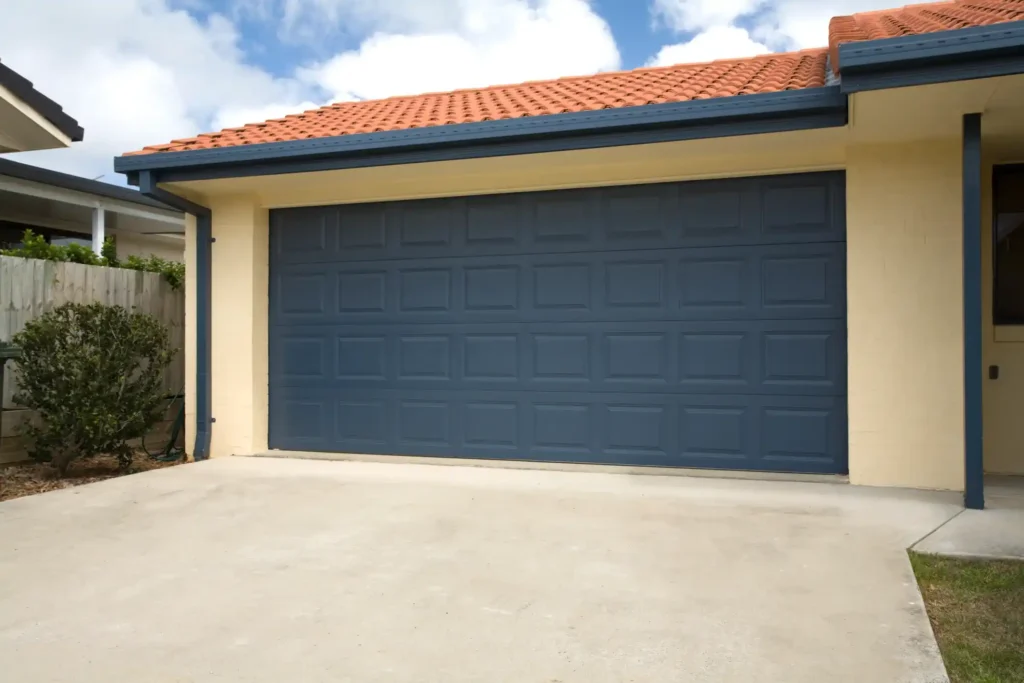
The evaluation process covers the complete mechanical and electrical ecosystem of the door. The goal is not just to fix the symptom, but to ensure the entire system operates within manufacturer specifications. This approach prevents minor variances from developing into catastrophic failures that require expensive replacements.
Mechanical System Analysis
- Torsion and Extension Springs: Check for signs of metal fatigue, rust, and proper tension. Springs lose tension over time, making the door heavy and putting strain on the opener.
- Cables and Drums: Inspect lift cables for fraying or kinking. A snapped cable can cause the door to fall heavily, posing a severe safety risk.
- Rollers and Hinges: Assess roller condition, whether nylon or steel, checking for flat spots or seized bearings that cause loud operation.
- Track Alignment: Ensure vertical and horizontal tracks are plumb, parallel, and securely fastened to the framing. Misalignment causes friction and binding.
Opener and Electrical Safety
- Logic Board Diagnostics: Test the circuit board for shorts or memory issues, often caused by power surges.
- Drive Train Inspection: Examine the belt, chain, or screw drive for proper tension and lubrication. Loose chains cause jerking movements; worn belts can slip.
- Limit Switch Settings: Verify that the door opens and closes to the exact correct positions. Incorrect limits can force the door into the ground, bending the bottom panel.
- Capacitor and Motor: Check the starting capacitor and motor windings to ensure the system delivers adequate power to lift the door.
Safety Feature Verification
- Photo-Eye Sensors: Test alignment and cleanliness. Sensors must reverse the door if the beam is broken.
- Auto-Reverse Mechanism: Conduct a force test to ensure the door reverses automatically upon contacting a physical object.
- Emergency Release Cord: Verify the manual release engages and disengages properly, allowing operation during a power outage.
How the Inspection and Diagnostic Process Works
The inspection process is designed to be efficient, transparent, and educational. You receive a clear picture of the door’s health without confusing jargon. The technician follows a structured workflow to isolate variables and identify the exact failure point.
- Visual Assessment: Complete walkthrough of the exterior and interior of the door. Look for structural damage to panels, visible wear on weather stripping, and perimeter seals.
- Balance Test: Disengage the electric opener and manually lift the door halfway. A properly balanced door will stay in place. Slamming indicates under-tensioned springs; shooting up indicates over-tensioned springs.
- Operational Cycle Testing: Run the door through full cycles using the electric opener. Listen for grinding, scraping, or squealing noises; observe the stability of mounting brackets.
- Sensor and Safety Testing: Place a specialized block in the door path to test pressure sensitivity and reversal mechanism. Interrupt the infrared beam to ensure the motor cuts off.
- Findings and Recommendations Report: The technician compiles a detailed report, including critical issues, potential future failures, and maintenance recommendations. You receive repair versus replacement options to make an informed decision.
Determining When to Repair vs. Replace
Deciding between repairing a component and replacing the system depends on wear, age, and cost-effectiveness.
When Repair is the Logical Choice
- Isolated Component Failure: Single spring breaks, a cable snaps, or a circuit board fails while the rest of the system is in good condition.
- Cosmetic Damage: Minor dents in a single panel that can be replaced if the manufacturer still produces the model.
- Recent Installation: Doors under 10 years old often have plenty of service life remaining.
- Simple Misalignment: Track binding or sticking usually requires professional realignment and lubrication.
When Replacement is Necessary
- Structural Integrity Loss: Sagging, cracking, or separating panels compromise the door structure.
- Lack of Safety Features: Older openers often lack mandated safety reversal sensors.
- Recurring Breakdowns: Frequent service calls exceed the cost of a new system.
Local Considerations: Codes and Maintenance
Operating a garage door in Helendale requires attention to specific local regulations.
Regulatory and Safety Compliance
- SB 969 Compliance: California law requires new garage door openers to have a battery backup system. Inspections verify presence and charge status.
- Wind Load Requirements: Doors must withstand local wind pressures. Technicians verify bracing struts.
- Permit Requirements: Significant structural alterations or system replacements may require permits. Professionals ensure compliance with San Bernardino County codes.
Professional Diagnostics Ensure Long-Term Reliability
Attempting to diagnose garage door issues without proper training is dangerous. The counterbalance system operates under extreme tension, and torsion springs can cause serious injury if mishandled. Professional technicians use the proper tools and techniques to diagnose and repair safely.
Professional diagnostics identify the root cause of failures. For example, replacing a broken gear without balancing a heavy door guarantees another failure. Whether recalibrating smart openers or replacing high-cycle torsion springs, expert attention restores security and convenience.
Why Choose Us
- Experienced Technicians: Our team is trained and certified to handle all types of garage door systems safely and efficiently.
- Customer Satisfaction: Read our reviews to see why homeowners trust Good Golly Garage Doors for reliable service.
- Maintenance Plan: Extend the life of your door and prevent costly breakdowns with our preventive maintenance options.
- Special Offers: Take advantage of current specials to save on repairs or upgrades.
- Code-Compliant Work: All installations and repairs meet local and state safety standards.
Don’t Wait Until Your Door is Permanently Stuck
Trust Good Golly Garage Doors to keep your home secure and your door operating smoothly. Visit our About Us to learn more, then schedule your inspection and repair today to protect your safety, maintain convenience, and ensure long-term performance.
Proudly Serving Victorville and Surrounding Areas
We provide the best garage door services you can find across Victorville, CA. Wherever you are, Good Golly Garage Doors is ready to deliver. Let’s get your garage door in Victorville, CA or beyond back in top shape with service that’s fast, friendly, and built to last.
Call (760) 979-0605 All Service Areas