
Garage Door Inspection in Hartselle, AL
Secure your home with our professional garage door inspection in Hartselle. Ensure safety, prevent failures, and maintain peace of mind. Schedule now!
Eliminate Safety Risks and Performance Issues Before They Escalate
Grinding gears, slow response times, and uneven movement are warning signs that your system needs attention to prevent total failure. Contact us at Good Golly Garage Doors today to schedule a comprehensive evaluation and secure your home’s largest entry point.
Homeowners often ignore the subtle hints a garage door gives before it breaks, but a malfunctioning door is more than just an inconvenience; it is a significant safety hazard and a security risk. In Hartselle, where humidity and weather shifts can accelerate wear and tear, proactive maintenance is the only way to ensure longevity. Our inspection service is designed to identify the root cause of mechanical distress, verify safety compliance, and provide you with a clear roadmap for restoring optimal function.
- Professional inspection scheduled promptly to fit your routine.
- Comprehensive written report detailing critical repairs, safety concerns, and optimization opportunities.
- Clear, upfront explanations of findings with no hidden assessment fees.
- All inspections come with a guarantee of thoroughness and full compliance with local safety standards.
Comprehensive Safety and Performance Evaluation: What to Expect
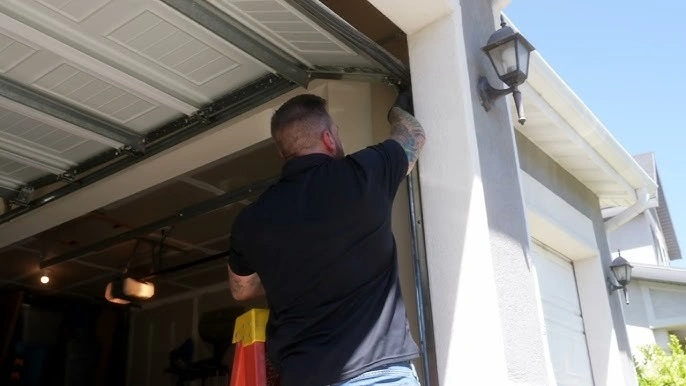
A garage door system consists of numerous moving parts under high tension, all working in unison to lift a heavy barrier. Our inspection is not a cursory glance; it is a deep dive into the mechanical and electrical integrity of your system. We examine every component that contributes to the door’s operation, ensuring that nothing is overlooked.
Structural Hardware Assessment
The hardware holding your door together bears the brunt of daily use. Over time, vibrations loosen fasteners, and metal fatigue sets in.
- Hinges and Brackets: We check for stress cracks, loose bolts, and signs of corrosion that could lead to panel separation.
- Rollers: Whether you have nylon or steel rollers, we inspect them for flat spots, bearing wear, and proper fit within the track.
- Track Alignment: Misaligned tracks cause friction and strain the opener. We measure the vertical and horizontal tracks to ensure they are plumb, level, and securely fastened to the jambs and ceiling.
- Struts and Panels: We look for bowing or fatigue in the reinforcement struts and check panels for dents that might affect structural rigidity.
Counterbalance System Analysis
The counterbalance system is the muscle of your garage door. If this system fails, the door becomes dead weight, posing a severe crushing hazard.
- Torsion or Extension Springs: We inspect springs for rust, elongation, and proper winding. A focused check is performed to calculate the remaining cycle life of the springs.
- Lift Cables: Fraying or kinking in cables is a precursor to snapping. We examine the full length of the cables, specifically at the bottom brackets and drums.
- Drums and Shafts: We inspect the cable drums for cracks and ensure the torsion tube or shaft is straight and rotating freely.
Opener and Safety Mechanism Testing
The electric opener provides convenience, but it must operate safely.
- Drive System: We check the belt, chain, or screw drive for proper tension and lubrication.
- Gears and Sprockets: We inspect internal gears for plastic shavings, which indicate imminent failure.
- Limit Switches: We verify that the door opens and closes to the exact correct positions without slamming or leaving gaps.
- Safety Sensors (Photo-Eyes): We test alignment and wiring to ensure the door reverses if an object breaks the beam.
- Force Settings: We perform a resistance test to ensure the door stops and reverses if it physically contacts an object or person.
The Inspection Workflow: From Arrival to Diagnosis
Understanding the flow of our service helps you prepare for the appointment. We aim to be efficient while remaining thorough, providing you with data you can use to make informed decisions about your property.
- Visual Walkthrough: The technician begins by visually scanning the door exterior and interior for obvious damage, rust, or misalignment.
- Manual Operation Test: We disengage the automatic opener to operate the door manually. This allows us to feel for “sticky” spots, heavy lifting weight, or grinding, which indicates spring or track issues.
- Automated Cycle Testing: We reconnect the opener and run the door through several complete cycles, listening for specific noises that indicate motor strain or hardware looseness.
- Safety Compliance Check: We strictly test the auto-reverse features and sensor functionality to ensure the system meets current UL 325 safety standards.
- Component Isolation: If a specific issue is detected, such as a squeaking noise, we isolate the component to determine if it requires lubrication, adjustment, or replacement.
- Report Generation: Finally, we compile all findings into a clear report, categorizing issues by urgency: safety hazards, recommended repairs, and routine maintenance needs.
Making the Call: Repair vs. Replacement
Following an inspection in Hartselle, homeowners are often faced with the decision of whether to invest in repairs or replace the entire system. This decision relies on cost-effectiveness, age, and safety.
When Repair is the Smart Choice
If the door is structurally sound and the issues are localized, repair is usually the most economical path.
- Cosmetic Damage: Minor dents or scratches on a single panel can often be addressed without replacing the whole door.
- Isolated Component Failure: If a single spring breaks, a cable frays, or a sensor malfunctions, these are standard repairs that restore full functionality.
- Recent Installation: If the door system is under 10 years old, it likely has many years of service left once the specific issue is resolved.
- Hardware Tightening: Noise is caused simply by loose nuts and bolts, which is a service adjustment rather than a major expense.
When Replacement is Necessary
There are scenarios where putting money into repairs is a diminishing return.
- Catastrophic Structural Damage: If the door has been hit by a vehicle or major storm debris, the structural integrity may be compromised beyond safe repair.
- Age and Obsolescence: If the system is over 15-20 years old, finding replacement parts may be difficult, and the system likely lacks modern safety features.
- Recurring Expensive Repairs: If you are calling for service multiple times a year for different issues, a new system is often cheaper in the long run.
- Energy Efficiency Needs: Older, non-insulated doors contribute to energy loss. Replacing them with modern insulated models can significantly reduce utility bills.
Why Professional Inspection is Crucial
Attempting to inspect or repair a garage door without professional training involves significant risk. The torsion spring system operates under extreme tension enough to lift a 300-pound door with ease. If these components are mishandled or disassembled incorrectly, they can release that energy instantly, causing severe injury or property damage.
Liability and Insurance
For many homeowners, proof of maintenance is relevant to insurance claims, particularly after weather events. A professional inspection report serves as documentation that the system was maintained in good working order prior to any incident. Furthermore, if you plan to sell your home, a functioning, safety-compliant garage door is a standard point of inspection for home buyers. Addressing these issues proactively prevents delays at closing.
Specialized Diagnostics
Modern garage door openers are computerized systems. Issues with travel modules, force sensors, or circuit boards cannot always be diagnosed with the naked eye. We utilize industry-specific knowledge to read error codes and diagnose intermittent electrical faults that a layperson might miss. This saves time and prevents the “parts cannon” approach where homeowners replace working parts hoping to fix a problem.
Enhancing Security
Your garage door is likely the most used entry point to your home. A compromised door one that can be easily forced open or that doesn’t close fully due to limit switch errors invites theft. Our inspection ensures that the locking mechanisms engage correctly and that the opener’s security codes are functioning, keeping your home secure.
Secure Your Garage Door System Today
A garage door is an intricate machine that requires respect and regular attention. Ignoring the warning signs of wear can lead to failures that leave your car trapped or your home exposed. By investing in a professional inspection, you are choosing safety, reliability, and peace of mind.
Do not wait for a complete system failure to act. Ensure your door is operating safely and efficiently. Contact us today to schedule your comprehensive garage door inspection.
Proudly Serving Decatur, AL, and Surrounding Areas
We provide the best garage door services you can find across Decatur, AL. Whether it’s the impact of Decatur’s heat and sudden storms on garage door components, we ensure our solutions are tailored to your needs. Wherever you are, Good Golly Garage Doors is ready to deliver.
Call (256) 686-4010 All Service Areas