
Garage Door Inspection in Green Valley, NV
Ensure your home's safety with professional garage door inspection and repair services in Green Valley, NV. Schedule your expert diagnostic today to protect your home.
Unexpected Door Failures Compromising Your Home Security
Experiencing sudden garage door failures can disrupt your daily routine and leave your home vulnerable to theft or weather damage. A malfunctioning door requires immediate professional attention to identify the root cause before it turns into a costly replacement or a safety hazard for your family in Green Valley, NV. Book your comprehensive diagnostic inspection today.
- Rapid response with same-day service bookings available to restore security.
- Comprehensive inspections covering all safety features, mechanical tension, and electronic functionality.
- Fully licensed technicians equipped to handle immediate adjustments or complex repairs.
All services are licensed and adhere strictly to local building regulations and safety standards.
What a Professional Diagnostic Inspection Includes
A garage door is the largest moving object in your home, comprised of hundreds of independent parts working under high tension. A standard visual check is often insufficient to catch developing problems. A professional inspection goes far beyond simply looking for rust or loose screws. It involves a systematic audit of the mechanical and electronic systems that govern the door’s operation.
The primary goal of this service is to identify failure points before they result in a door that is stuck shut or, worse, one that collapses. Technicians evaluate the counterbalance system, which includes the high-tension springs and lift cables. These components bear the weight of the door, and if they are near the end of their life cycle, they present a significant physical danger.
Inspectors also assess the structural integrity of the panels and the track system. Misaligned tracks can cause the motor to burn out prematurely by forcing the opener to work harder than necessary. The inspection includes a thorough review of the opener’s logic board, gears, and connectivity. By assessing the force settings and travel limits, technicians ensure the door opens and closes completely without drifting or reversing unexpectedly.
Safety compliance is the final, critical pillar of the inspection scope. This involves testing the photo-eye sensors and the auto-reverse mechanism. These features are federally mandated for a reason; they prevent the door from closing on vehicles, pets, or people. If these systems are misaligned or have faulty wiring, the door is not just broken; it is non-compliant and dangerous.
The Systematic Inspection Process
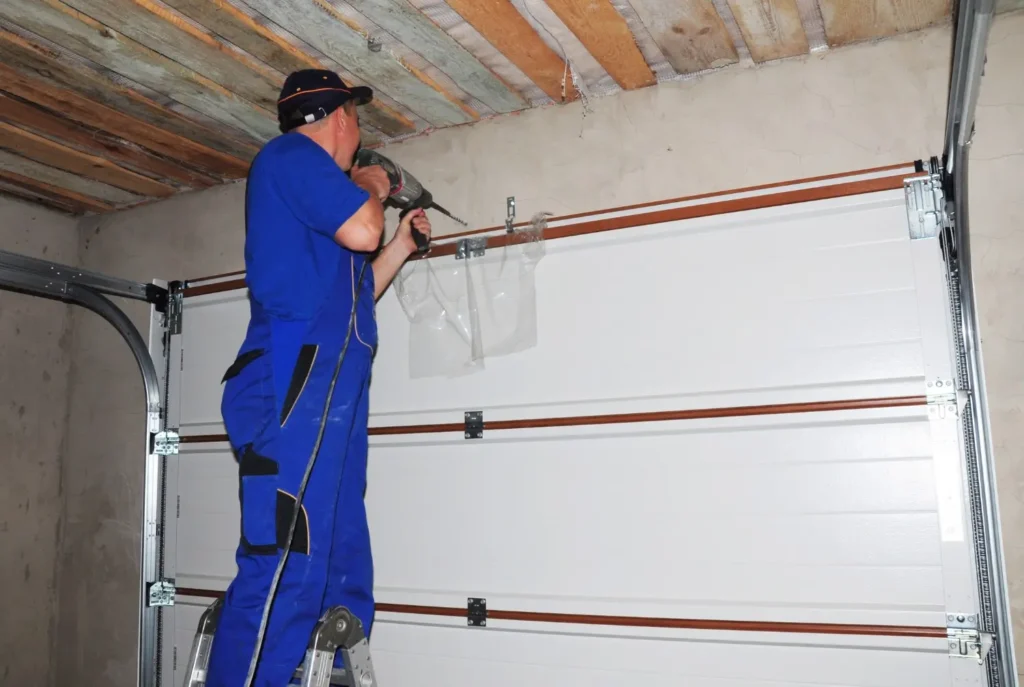
Understanding the workflow of a professional inspection helps you prepare for the service and understand the value provided. The process is designed to be non-intrusive but thorough, ensuring every component is evaluated.
- First, the technician performs a static visual assessment. This involves examining the door panels for stress cracks, checking the mounting hardware for the tracks, and inspecting the cables for fraying. During this stage, the technician looks for “wear patterns” on the rollers and hinges, which indicate that the door is not moving smoothly through the track.
- Next, the technician disengages the electric opener to perform a manual balance test. This is one of the most telling parts of the inspection. The door is manually lifted halfway and released. If the door stays in place, the springs are properly tensioned. If the door slams down or shoots up, the balance is off, indicating that the springs need adjustment or replacement.
- Following the balance test, the technician focuses on the torsion or extension springs. They measure the wire diameter and coil size to ensure the springs are rated correctly for the weight of the door. Over time, springs lose tension due to metal fatigue. The technician calculates the remaining life expectancy of the springs based on their current condition and cycle count.
- Subsequently, the focus shifts to the hardware and track alignment. The technician tightens all nuts and bolts on the hinges and brackets. Vibrations from daily use often loosen these fasteners, leading to rattles and structural instability. The tracks are measured to ensure they are perfectly parallel and plumb; even a fraction of an inch in deviation can cause the rollers to bind.
- Then, the inspection moves to the electric opener and safety systems. The technician tests the down-force pressure to ensure the door reverses when it encounters an object. The photo-eye sensors are checked for alignment and cleanliness. The technician also inspects the drive mechanism (chain, belt, or screw) for slack and wear, applying lubrication where necessary.
- Finally, the technician provides a detailed report of findings. This includes a summary of critical safety issues that need immediate attention, recommended maintenance to extend the life of the system, and options for any necessary repairs. Good Golly Garage Doors ensures that this report is clear, providing you with the data needed to make informed decisions about your home’s maintenance.
Determining When to Repair vs. Replace
A thorough inspection often leads to a decision point: is it more cost-effective to repair the existing system or invest in a new unit? This decision relies on the age of the system, the extent of the damage, and the cost of parts relative to a new installation.
When Repair is the Logical Choice
Repair is usually the best path when the issue is isolated to specific, replaceable components and the door itself is structurally sound.
- Broken Springs: If the door is relatively new (under 10 years) and a spring breaks, replacing the spring is a standard maintenance task.
- Sensor Malfunctions: Misaligned or faulty sensors are easily fixed or replaced without needing a new system.
- Hardware Wear: Worn rollers, hinges, or a frayed cable can be swapped out to restore quiet, smooth operation.
- Single Panel Damage: If a vehicle bumps the door and dents one panel, but the rest of the door is fine, replacing just that section is viable, provided the panel model is still manufactured.
When Replacement is Necessary
There are scenarios where throwing money at repairs produces diminishing returns.
- Catastrophic Structural Failure: If the door panels are sagging, cracked, or delaminating, the structural integrity is compromised. A sagging door cannot be effectively balanced, creating safety risks that repairs cannot fix.
- Obsolete Safety Standards: If your opener was manufactured before 1993, it likely lacks modern safety entrapment protection (photo-eyes). Replacement is recommended to meet current safety codes.
- Recurring Motor Failures: If the garage door opener requires frequent repairs or makes excessive noise due to internal gear failure, the unit has likely reached the end of its service life.
- Energy Efficiency Needs: Older, uninsulated metal or wood doors offer little protection against heat transfer. Upgrading to an insulated sandwich-style door can significantly impact the temperature in the garage and the home.
Regional Considerations for Garage Doors
Operating a garage door in Green Valley, NV presents specific challenges due to the local climate and environment. The desert conditions accelerate wear and tear in ways that homeowners might not anticipate, making regular inspections even more critical.
High Heat Impact on Components
The extreme summer temperatures, often exceeding 100°F, have a direct effect on the metal and electronic components of the garage door.
- Lubrication Breakdown: Standard grease can liquefy and drip off tracks and screws in high heat, leaving metal-on-metal contact unprotected. This leads to rapid wear of rollers and gears.
- Electronic Sensitivity: Logic boards and capacitors inside the garage door opener can overheat. Prolonged exposure to high ambient temperatures in the garage can shorten the lifespan of these electronic parts.
- Battery Backups: In Nevada, battery backup systems (now required on new installations in many regions) can degrade faster due to heat, requiring more frequent testing during inspections to ensure they work during a power outage.
Dust and Debris Accumulation
The arid environment means more dust and sand.
- Track Obstruction: Windblown dust accumulates in the lubricated tracks, creating a gritty paste that acts like sandpaper on nylon or steel rollers. This increases friction and strain on the opener.
- Sensor Blockage: Dust accumulation on photo-eye lenses is a common cause of “phantom” reversals, where the door refuses to close because it falsely detects an obstruction.
Local Compliance and HOAs
- Wind Load Requirements: While hurricanes are not a threat, high desert winds can put pressure on large surface areas like garage doors. Inspections verify that the door has the necessary bracing to withstand wind gusts typical of the area.
- HOA Regulations: Many neighborhoods in Green Valley are governed by Homeowners Associations with strict aesthetic guidelines. An inspection can determine if a faded or dented door is violating community standards, prompting a necessary repair or replacement to avoid fines.
Why Professional Diagnostics Are Critical
Attempting to self-diagnose garage door issues is rarely effective and can be physically dangerous. The garage door system relies on immense potential energy stored in the springs to lift a heavy object. This tension makes the system hazardous for untrained individuals to manipulate.
Safety Risks of DIY Inspection
The most dangerous components are the torsion springs and bottom brackets. These parts are under extreme tension even when the door is closed. Loosening the wrong bolt on a bottom bracket can cause the cable to snap or the bracket to fly off, leading to severe injury or property damage. Professional technicians are trained to identify which parts are under load and how to safely de-tension the system before touching critical hardware.
Precision Tools vs. Guesswork
Identifying the difference between a motor issue and a balance issue requires more than listening to the door. Technicians utilize tension gauges, force meters, and multimeters to diagnose electrical faults. A door that sounds “fine” might be requiring 50 pounds of force to lift, whereas a balanced door should require only a few pounds. This invisible strain burns out openers rapidly. Professional diagnostics reveal these hidden issues.
Warranty Protection
Most garage door manufacturers require professional maintenance to keep warranties valid. Attempting DIY repairs or neglecting annual inspections can void the warranty on the door panels and the opener. A professional service record serves as proof of maintenance, protecting your investment should a defect arise later.
Long-Term Cost Savings
Preventative inspections are significantly cheaper than emergency repairs. Catching a frayed cable during a scheduled visit costs a fraction of the price of replacing a door that has fallen off its tracks and damaged a vehicle. By maintaining the system proactively, you extend the lifespan of the entire mechanism, delaying the need for a full system replacement by years.
Secure Your Home with a Thorough Assessment
Ignoring the signs of a struggling garage door puts your home’s security and your family’s safety at risk. The mechanical complexity of these systems demands expert attention to ensure reliable operation day after day. A proper inspection identifies vulnerabilities caused by heat, wear, and age before they result in total system failure.
Take control of your home maintenance schedule. Ensure your garage door operates safely and efficiently regardless of the season. Reach out to Good Golly Garage Doors to schedule your inspection and verify the integrity of your system.
Proudly Serving Las Vegas and Surrounding Areas
From Summerlin to Henderson, we provide the best garage door services you can find across Las Vegas. Wherever you are, Good Golly Garage Doors is ready to deliver. Let’s get your garage door in Las Vegas or beyond back in top shape with service that’s fast, friendly, and built to last.
View All Cities
 All Service Areas