
Garage Door Inspection In Glendale, AZ
Experiencing issues with your garage door in Glendale? Schedule a professional inspection today and ensure your door operates safely and smoothly. Quick, reliable service!
A Garage Door That Won’t Operate Safely Creates Risk
Is your garage door refusing to open on command, making grinding noises, or shuddering excessively during operation? You might be dealing with a worn-out torsion spring, misaligned tracks, or a compromised safety sensor that puts your vehicle and family at risk. Contact us now to schedule a comprehensive diagnostic inspection and restore your system’s reliability.
Good Golly Garage Doors provides thorough inspections to identify root causes of failure before they turn into expensive replacements. Residents in Glendale deal with unique wear and tear patterns, and our goal is to pinpoint exact issues to ensure your door operates smoothly and safely.
- Transparent reporting and pricing ensure you understand the exact condition of your door with no hidden fees.
- Comprehensive checks cover everything from high-tension springs and cables to logic boards and sensors.
All inspection services adhere strictly to local safety requirements.
What Is Included in a Professional Garage Door Assessment
A garage door is the largest moving object in your home, relying on a complex system of counterbalance mechanisms and electrical components. When we perform an inspection, we do not simply glance at the door to see if it moves. We conduct a multi-point safety and performance audit designed to catch micro-fractures, alignment shifts, and electrical faults that are invisible to the untrained eye.
Structural and Hardware Evaluation
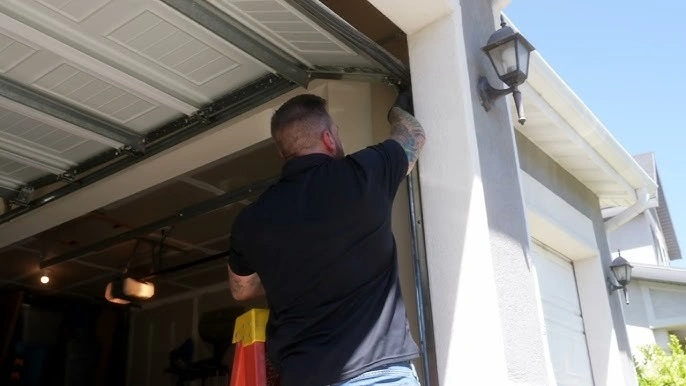
The physical hardware of the door bears immense weight and tension. Over time, vibration loosens fasteners, and metal fatigue sets in. Our inspection includes a detailed examination of the following hardware components:
- Torsion and Extension Springs: We check for gaps in the coils, signs of corrosion, and loss of tension. Springs have a limited cycle life, and we verify if yours are nearing the breaking point.
- Lift Cables: We inspect for fraying, kinking, or rust. A snapped cable can cause the door to drop suddenly, so identifying wear here is critical.
- Rollers and Hinges: We assess the condition of the rollers; whether nylon or steel, checking for flat spots or cracked bearings that cause loud operation.
- Track Alignment: We measure the vertical and horizontal tracks to ensure they are plumb and parallel. Even a slight deviation can cause the door to bind or derail.
Opener and Electrical System Diagnostics
The motor system is the brain of the operation. Problems here often manifest as intermittent failure or phantom operation.
- Logic Board Testing: We test the circuit board for burnt components or loose solder joints often caused by power surges.
- Gear and Sprocket Check: We open the motor housing to inspect the drive gears for stripped teeth, which is common if the door is not properly balanced.
- Limit Switch Settings: We verify that the door opens fully and closes tightly against the seal without reversing unnecessarily.
Safety Feature Verification
Modern garage doors are equipped with safety mechanisms that must function perfectly to prevent injury.
- Photo-Eye Sensors: We check the alignment and wiring of the safety sensors to ensure the beam reverses the door upon obstruction.
- Force Settings: We test the pressure required to stop the door. If the force is set too high, the door may not stop for an obstacle; too low, and it won’t close properly.
The Inspection Workflow: How We Diagnose Your System
Understanding the health of your garage door requires a systematic approach. We follow a strict protocol to ensure no component is overlooked. This process is designed to be efficient while providing you with a complete picture of your system’s functionality.
- First, we perform a visual audit of the exterior and interior panels. We look for dents, cracks in the sections, or separation of the stile and rail. Damaged panels can compromise the structural integrity of the door during high winds.
- Next, we conduct a balance test. We disconnect the opener and manually lift the door to half-height. A properly balanced door should stay in place without holding it. If it slams shut or shoots up, the spring tension is incorrect and requires adjustment.
- Then, we run the door through several automatic cycles. We listen for specific sounds; grinding indicates bearing failure, squeaking suggests a lack of lubrication, and rattling points to loose hardware. This auditory analysis helps us isolate internal issues.
- After the operational test, we inspect the weatherstripping and bottom seal. These components are vital for keeping dust and pests out of your garage. We check for brittleness, cracks, or gaps where the seal meets the floor.
- Finally, we provide a detailed report of our findings. This includes prioritized recommendations, separating urgent safety repairs from suggested maintenance, so you can make an informed decision on how to proceed.
Deciding Between Repair and Replacement
After an inspection, the most common question is whether to invest in repairs or opt for a full replacement. This decision depends on the age of the system, the extent of the damage, and the cost-effectiveness of the proposed fix. We help you navigate this choice based on hard data from the inspection.
When Repair Is the Right Choice
If the fundamental structure of the door is sound, repair is usually the most economical path.
- Isolated Component Failure: If a single spring breaks or a cable snaps, replacing just that part restores full function.
- Cosmetic Damage: Minor dents on a single panel can often be addressed by replacing just that section rather than the entire door system.
- Opener Issues: If the door moves smoothly manually but the motor struggles, replacing a capacitor or gear kit in the opener is often sufficient.
- Sensor Misalignment: Often, doors that won’t close simply need a sensor adjustment or wiring fix, which is a quick and low-cost repair.
When Replacement Is Necessary
Sometimes, throwing money at repairs is a temporary fix for a system that is past its prime.
- Structural Rot or Rust: If the door sections are rusted through or wooden panels are rotting, the door loses its structural integrity and cannot be safely repaired.
- Obsolete Safety Features: If your opener lacks non-contact safety sensors, it is non-compliant with current safety standards and should be replaced.
- Recurring Breakdowns: If you are calling for repairs multiple times a year, the cumulative cost often exceeds the price of a modern, reliable new system.
- Severe Impact Damage: If a vehicle has hit the door and bent the track or multiple panels, the geometry of the door is likely compromised beyond repair.
Good Golly Garage Doors provides honest assessments, ensuring you never pay for a replacement when a repair will suffice, or waste money fixing a door that is a safety hazard.
Why Professional Diagnostics Are Critical
Attempting to diagnose garage door issues without professional training is not only difficult but dangerous. The counterbalance system, particularly the torsion springs, operates under extreme tension. A mistake during a DIY inspection can result in severe injury or further damage to the door mechanism.
Precision and Safety
A professional inspection utilizes specific tools to measure tension and alignment that are not typically found in a homeowner’s toolbox. We can identify a spring that is close to fatigue failure before it snaps. We understand the specific torque requirements for fasteners to ensure the door stays together under vibration.
Preventative Savings
Many catastrophic failures start as minor annoyances. A slight squeak today can become a seized bearing tomorrow, which can then burn out your opener motor. By identifying these issues early through a professional inspection, you avoid the compounding costs of a major system failure.
Security Verification
Your garage door is a primary entry point to your home. A compromised latch or an opener with outdated security codes makes your home vulnerable. Our inspection includes checking the security features of your door to ensure it locks firmly and cannot be easily forced open from the outside. We verify the integrity of the locking mechanism and the rolling code technology in your opener.
Secure Your Home with a Thorough Inspection
A malfunctioning garage door disrupts your daily routine and poses a genuine safety hazard to your household. Ignoring the signs of wear; whether it is a loud noise, a slow response, or a door that sits unevenly, can lead to emergency situations that are costly and stressful. Regular professional inspections provide the peace of mind that comes from knowing your system is safe, compliant, and operating at peak efficiency.
Don’t wait for the door to get stuck halfway or for a spring to snap in the middle of the night. Take a proactive step to maintain the security and functionality of your home.
Contact us today to schedule your garage door inspection and ensure your system is safe and reliable.
Proudly Serving Phoenix, AZ, and Surrounding Areas
We provide the best garage door services you can find across Phoenix, AZ. Whether it’s the impact of Phoenix’s heat and sudden storms on garage door components, we ensure our solutions are tailored to your needs. Wherever you are, Good Golly Garage Doors is ready to deliver.
Call (602) 399-7054 All Service Areas