
Garage Door Inspection in El Mirage, AZ
Struggling with garage door issues in El Mirage? Contact us for a full inspection and service to ensure peak performance and safety. Secure your garage now!
Is Your Garage Door Built to Perform in El Mirage?
Facing tough times with your garage door bending or malfunctioning in El Mirage? You’re not alone. Daily use, environmental exposure, and normal wear can strain mechanical components over time, turning a minor noise into a major structural failure. Contact us today to schedule a safety analysis and performance check.
Good Golly Garage Doors understands that local homeowners need their systems to function reliably despite the aggressive climate.
- Effective inspections and adaptations for extreme weather conditions.
- Annual maintenance plans to prevent unexpected breakdowns.
- Up-front estimates provided online for your convenience.
All services are performed by licensed professionals, with manufacturer-backed warranty options for added peace of mind.
Comprehensive Safety and Performance Analysis Scope
A professional garage door inspection goes far beyond simply glancing at the tracks to see if they are bent. It involves a systematic, multi-point evaluation of every moving part, structural element, and safety mechanism within the system. The goal is to identify wear patterns before they result in a trapped vehicle or a dangerous rapid closure.
When a technician arrives to assess your system, the scope covers three distinct categories: hardware integrity, opener mechanics, and safety compliance.
Hardware and Structural Integrity
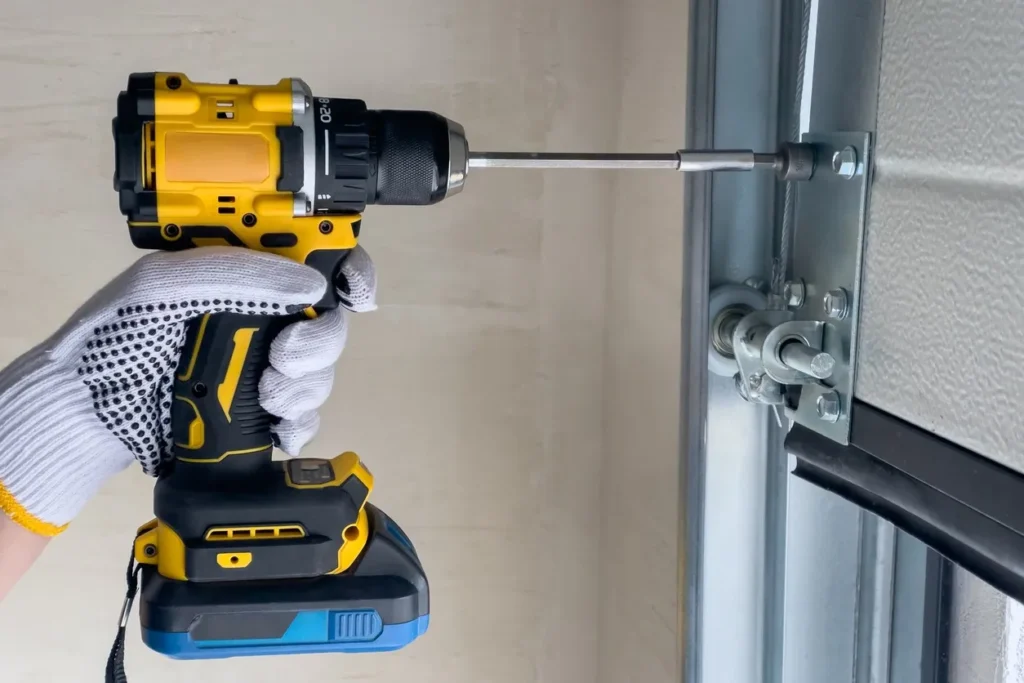
The heavy lifting is done by the hardware. Over time, vibration loosens bolts, and friction wears down bearings. A thorough assessment includes:
- Torsion and Extension Springs: Examining springs for rust, gaps in the coils, or loss of tension. This is critical as springs operate under high tension and are the most common cause of door failure.
- Cables and Drums: Checking lift cables for fraying, kinking, or signs of unraveling. Even a single broken strand can lead to a snapped cable. The drums are inspected for cracks or uneven wear that could cause the door to go off-balance.
- Rollers and Hinges: Inspecting rollers for flat spots or worn bearings. Cracked or bent hinges are identified, as these can cause the door to bind in the track.
- Track Alignment: Verifying the vertical and horizontal tracks are plumb, parallel, and securely fastened to the jambs and ceiling. Misalignment causes excessive strain on the opener.
Opener Mechanics and Drive System
The motor unit requires specific diagnostic checks to ensure it is not being overworked. The inspection looks at:
- Drive Mechanism: Checking the belt, chain, or screw drive for proper tension and lubrication. A loose chain can slap against the rail, while a worn belt can slip.
- Gears and Sprockets: Inspecting internal plastic gears for shavings, which indicate the gear is stripping and nearing failure.
- Limit Switches: Testing the travel limits to ensure the door opens fully without hitting the stop bolt and closes completely without putting excessive pressure on the header.
Safety Compliance Features
Modern standards, such as those from the International Door Association (IDA), dictate specific safety protocols.
- Photo-Eye Sensors: Verifying the sensors are aligned, clean, and immediately reverse the door when the beam is broken.
- Auto-Reverse Mechanism: Performing a force test to ensure the door reverses automatically if it physically encounters an object, like a vehicle or person, before it reaches the floor.
- Emergency Release Cord: Ensuring the red release handle is accessible and functional, allowing for manual operation during a power outage.
How the Inspection Process Works
Understanding the workflow of a professional inspection helps you prepare for the visit and ensures nothing is overlooked. The process is designed to be non-intrusive but thorough, resulting in a clear picture of your system’s health.
- First, the technician performs a visual assessment of the exterior and interior of the door panels. This checks for warping, cracks, or cosmetic damage that might affect structural stability.
- Next, the system is operated manually. The technician disengages the electric opener to lift the door by hand. This crucial step tests the balance of the door. A properly balanced door should stay suspended halfway up without falling or shooting upward. If the door feels heavy, the springs likely need adjustment or replacement.
- Then, the technician engages the electric opener to listen for irregularities. Grinding, squealing, or humming noises serve as auditory diagnostic tools, pointing toward specific failing components like dry rollers or a straining motor capacitor.
- Following the operation test, the technician physically tightens hardware. This includes the lags securing the track to the wall and the fasteners holding the opener system to the ceiling.
- Finally, a detailed condition report is generated. This document outlines notable safety hazards, recommended repairs, and items that are functioning well but may need attention in the future. This provides a roadmap for maintenance rather than a guess.
Repair vs. Replacement: Making the Right Decision
After an inspection, you may be effortless with a decision: fix the current issue or invest in a new system. Understanding the difference between a serviceable door and one that has reached the end of its lifespan is vital for financial planning and safety.
When to Repair
Repair is often the most cost-effective route when the structural integrity of the door panels is sound, but moving parts have worn out.
- Broken Springs: If a spring snaps but the door panels are in good shape, a simple spring replacement restores full function.
- Worn Rollers: Noisy operation caused by old steel rollers can usually be solved by upgrading to nylon rollers.
- Sensor Misalignment: If the door won’t close due to blinking sensor lights, this is typically a quick alignment or wiring fix, not a reason to replace the system.
- Single Panel Damage: If a car bumps the bottom panel, it is often possible to replace just that section rather than the entire door, provided the specific model is still manufactured.
When to Replace
Replacement becomes necessary when the cost of repairs approaches the cost of a new system, or when the garage door system is structurally compromised.
- Safety Obsolescence: If your garage door opener lacks modern safety eyes, which is common in older systems, it is safer and often required to replace the opener rather than attempting to retrofit safety features.
- Recurring Major Failures: If you are fixing the door every six months, the system is likely unbalanced or mismatched. Continuing to pour money into a lemon is inefficient.
Why Professional Assessment Matters
While some homeowners attempt to inspect their own doors, the high-tension nature of garage systems makes professional evaluation a matter of safety. Good Golly Garage Doors technicians are trained to spot subtle indicators of failure that an untrained eye would miss.
Safety Risks of DIY Inspection
Garage door springs store a massive amount of potential energy. Tampering with bottom brackets, where the cables attach, or attempting to adjust torsion springs without the proper winding bars and training can result in severe injury or property damage. A professional inspection ensures that these high-tension areas are evaluated without putting the homeowner at risk.
Code and Permit Knowledge
When an inspection reveals that a replacement is necessary, knowledge of local building codes becomes relevant. Regulations regarding wind load ratings and electrical connections must be followed. A professional service is aware of what permits or specifications are required for El Mirage, ensuring that any subsequent work is compliant with municipal standards.
Warranty Preservation
Many garage door manufacturers require professional maintenance to keep warranties valid. Attempting DIY repairs or failing to document annual inspections can void the warranty on door panels or opener systems. A professional service provides the documentation needed to prove the system has been maintained according to the manufacturer’s guidelines.
Tooling and Diagnostics
Professionals carry specialized tools, such as tension gauges and force testing equipment, to measure the door’s performance accurately. They also have access to replacement parts that may not be available at big-box hardware stores, ensuring that if a defect is found during the inspection, it can often be rectified during the visit.
Secure Your Garage System Today
A malfunctioning garage door is more than an inconvenience, it is a breach in your home’s security and a potential safety hazard. Waiting until the door refuses to open traps your vehicle and disrupts your day. Take a proactive approach to your home maintenance. Ensure your heavy garage door operates smoothly, quietly, and safely. Contact us to book your professional garage door inspection.
Proudly Serving Phoenix, AZ, and Surrounding Areas
We provide the best garage door services you can find across Phoenix, AZ. Whether it’s the impact of Phoenix’s heat and sudden storms on garage door components, we ensure our solutions are tailored to your needs. Wherever you are, Good Golly Garage Doors is ready to deliver.
Call (602) 399-7054 All Service Areas