
Garage Door Inspection In Cedar Park, TX
Ensure your garage door's safety and performance with our thorough inspections in Cedar Park. Contact Good Golly Garage Doors for a detailed safety assessment and optimal functioning.
Identify Potential Garage Door Failures Before They Become Emergencies
A garage door that operates inconsistently or makes unusual noises is often a warning sign of underlying mechanical issues that compromise home security and personal safety. Good Golly Garage Doors provides comprehensive system evaluations and detailed safety inspections to pinpoint vulnerabilities before they result in a complete system failure. Contact us to schedule a comprehensive safety inspection and performance evaluation today.
- Receive a thorough 21-point safety assessment covering all mechanical and electrical components.
- Identify minor wear and tear immediately to prevent costly emergency repairs later.
- Obtain a clear, written report regarding the health of your door system with zero obligation.
All inspections are performed by trained technicians adhering to strict safety protocols for your peace of mind.
Comprehensive Safety Checks and Performance Evaluations
A garage door is the largest moving object in a home, comprised of high-tension parts and heavy panels. Regular inspections are not merely about ensuring the door opens; they are about verifying that the counterbalance system, safety features, and structural integrity are intact. Residents in Cedar Park depend on their garage doors as the primary entry point, making reliability essential.
When a technician arrives for an inspection, the goal is to assess the current condition of the entire assembly. This includes a granular look at the hardware, the operator, and the door itself.
Mechanical Hardware Assessment
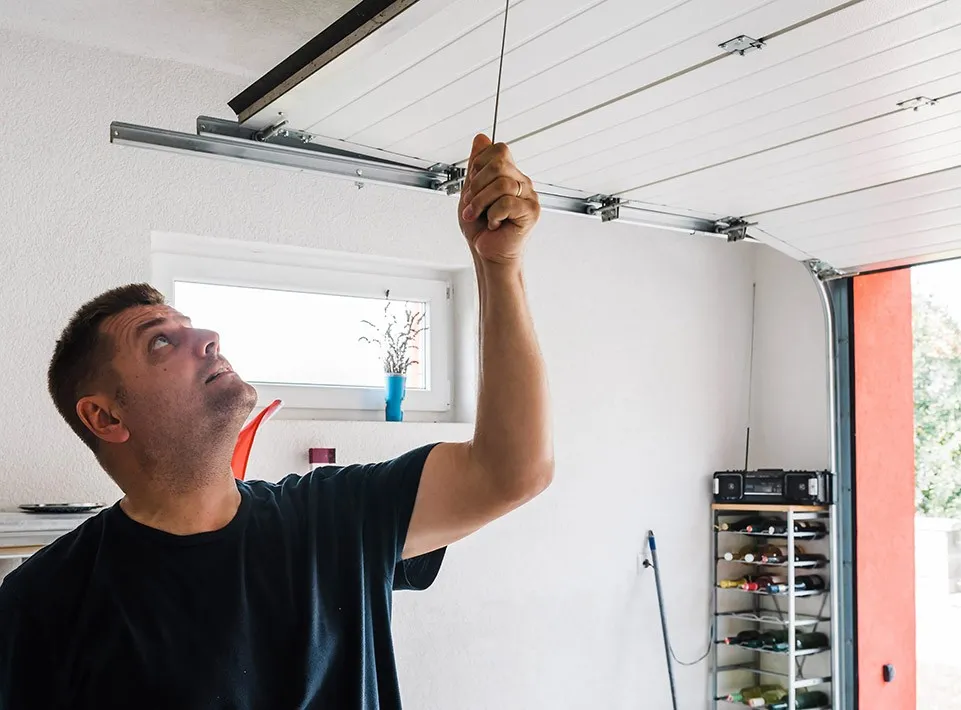
The hardware bears the weight and stress of the door’s movement. An inspection scrutinizes the condition of the metal tracks to ensure they are plumb and firmly attached to the framing. Technicians examine the mounting brackets and hinges for stress cracks or loose fasteners. Over time, vibration can loosen bolts, causing the door to hang unevenly or bind during operation. Rollers are checked for flat spots or worn bearings, which are common culprits behind grinding noises.
Counterbalance System Verification
The springs and cables do the heavy lifting. This is the most critical part of the inspection due to the high tension involved.
- Torsion or Extension Springs: The technician looks for gaps in the coils, rust accumulation, or elongation. A spring nearing the end of its cycle loses tension, forcing the opener to work harder than intended.
- Lift Cables: Cables are inspected for fraying, kinking, or rust. Even minor fraying suggests a cable is close to snapping, which can cause the door to slam shut uncontrollably.
- Drums and Shafts: These components are checked for cracks and proper alignment to ensure the cables spool correctly without jumping off the drum.
Safety Feature Testing
Modern garage doors are equipped with entrapment protection devices. The inspection verifies that the photo-eye sensors are properly aligned, clean, and functioning. The auto-reverse mechanism is tested to ensure the door automatically retracts if it encounters an object in its path. This is a non-negotiable safety standard that protects vehicles, pets, and family members.
The Inspection Workflow: Step-by-Step
A professional inspection follows a rigorous, systematic process to ensure no component is overlooked. This structured approach allows for an accurate diagnosis of the door’s health.
Visual Examination
The process begins with the door in the closed position. The technician visually scans the exterior and interior panels for dents, rot, or separation. While inside, they inspect the torsion tube, end bearing plates, and center bracket. This visual sweep identifies obvious structural issues or water damage that might affect the door’s insulation and rigidity.
Manual Operation Test
Next, the technician disengages the electric opener to operate the door manually. This is known as the “balance test.” The door should lift smoothly and remain stationary when opened halfway. If the door slams shut or shoots up, the spring tension is incorrect. A heavy door places excessive strain on the electric opener, leading to premature motor failure.
Opener Logic and Drive Inspection
Once the manual balance is confirmed, the opener is re-engaged. The technician inspects the drive mechanism—whether belt, chain, or screw drive—for proper tension and lubrication. The internal gears and sprockets are checked for shavings, which indicate wear. The limit settings are reviewed to ensure the door opens fully without hitting the stop bolt and closes tightly against the floor without bowing the rail.
Sensor and Reversal Verification
Finally, the safety systems are subjected to a live test. A block is placed under the door to verify the pressure sensors trigger the reversal mechanism. The photo-eyes are obstructed during a closing cycle to ensure the door stops and reverses immediately.
Interpreting Inspection Results: Repair or Replacement
Following the assessment, you will receive a report detailing the condition of your system. This data helps in making informed decisions about whether to repair specific components or invest in a replacement.
When to Repair
Repair is the logical choice when the door panels are structurally sound, but moving parts have degraded.
- Noisy Operation: If the inspection reveals worn steel rollers, replacing them with nylon rollers can silence the door.
- Broken Springs: If a spring is broken but the rest of the system is healthy, a spring replacement restores function.
- Misaligned Sensors: Simple adjustments to sensor brackets or wiring repairs can resolve safety faults.
- Weather Stripping: If the bottom seal is cracked, replacing the vinyl strip restores the weather barrier without needing a new door.
When to Replace
There are scenarios where repair costs approach or exceed the value of a new system, or where safety cannot be guaranteed through repair.
- Structural Damage: If multiple sections are cracked, rusted through, or warped, the structural integrity of the door is compromised. A new door provides better insulation and security.
- Obsolete Safety Standards: If the garage door opener was manufactured before 1993, it likely lacks modern safety reversal sensors. Upgrading to a compliant unit is a safety necessity.
- Severe Impact Damage: If a vehicle has hit the door, the track and vertical stiles may be bent beyond repair. Attempting to straighten them often weakens the metal, making replacement the safer option.
Working Within Local Guidelines and Weather Conditions
Operating a garage door in Central Texas requires attention to specific environmental factors. The local climate directly impacts the longevity of garage door components and how inspections should be approached.
Heat and Electronics
Summers in the region frequently see temperatures exceeding 90°F, with peaks in July. Inside a garage, temperatures can climb significantly higher. Extreme heat can affect the logic boards and capacitors within the garage door opener unit. Inspections during the summer months focus heavily on checking the electronics for signs of overheating or intermittent signal failure. Heat also causes the lubrication on the screw drive or chain to thin out, requiring more frequent application of high-viscosity lithium grease.
Humidity and Spring Storms
May and September bring higher precipitation and thunderstorms. High humidity levels accelerate oxidation on metal parts, particularly un-galvanized springs and cables. An inspection in this area will prioritize checking the bottom brackets and cables for rust, which is the leading cause of cable failure. Furthermore, powerful thunderstorms bring lightning and power surges. We check that the opener is plugged into a quality surge protector to prevent the circuit board from being fried during a storm.
Insulation and Energy Efficiency
While winters are generally mild, with temperatures in the 30s°F during January, a poorly sealed garage door can leach heat from the home, especially if the garage is attached. Inspectors check the perimeter weather seal and the bottom astragal for gaps. Ensuring a tight seal keeps out cold drafts in winter and prevents hot air infiltration in summer, contributing to lower energy bills.
Local Construction Standards
Homes in this area often have specific aesthetic requirements or HOA guidelines regarding the appearance of garage doors. While inspections are primarily functional, technicians are aware that panel condition affects curb appeal compliance. Additionally, older homes in the area may have “tilt-up” style doors that rely on heavy pivot springs. These outdated systems require specialized inspection techniques as they pose different safety risks compared to modern sectional doors. Good Golly Garage Doors technicians are versed in identifying these legacy systems and recommending appropriate safety upgrades.
The Value of Professional Assessment
Attempting to inspect or repair a garage door without professional training poses significant safety risks. The amount of potential energy stored in the torsion springs is sufficient to cause severe injury if mishandled. A DIY inspection often misses subtle signs of metal fatigue that a trained eye would catch immediately.
Precision and Specialized Tools
Professional technicians utilize specialized winding bars, tension gauges, and testing equipment that are not standard in a homeowner’s toolbox. This equipment allows for precise measurement of spring torque and door balance. A door that “looks” fine may be completely unbalanced, placing immense strain on the opener that will lead to burnout.
Liability and Real Estate Transactions
For homeowners looking to sell, a professional garage door inspection is often a critical part of the closing process. A certified inspection report provides proof of maintenance and functionality, satisfying buyer concerns and home inspector queries. It demonstrates that the home’s largest mechanical system has been maintained responsibly.
Preventative Maintenance vs. Reactive Repair
The primary value of an inspection is proactive care. Identifying a fraying cable today costs a fraction of what it costs to replace a door that has fallen off the tracks and damaged a vehicle. Routine evaluations ensure the system operates quietly, smoothly, and safely for years.
Secure the reliability of your home’s entry point. Schedule your detailed garage door inspection now.
Proudly Serving Austin, TX, and Surrounding Areas
From the neighborhoods of Austin to Round Rock and Buda, we provide the best garage door services you can find across the area. Whether it’s the impact of Texas heat and sudden storms on garage door components, we ensure our solutions are tailored to your needs. Wherever you are, Good Golly Garage Doors is ready to deliver.
View All Cities
 All Service Areas