
Garage Door Inspection In Bee Cave, TX
Ensure your garage door is safe and functional with a professional inspection in Bee Cave. Contact us for comprehensive checks and immediate repair services.
Identify Mechanical Failures and Safety Hazards with a Professional Inspection
A malfunctioning garage door is more than just an inconvenience; it is a significant security risk and a potential safety hazard for your family and vehicles. If your system is stalling, reversing unexpectedly, or making loud grinding noises, contact us at [Insert Phone Number] to schedule a diagnostic inspection immediately.
Homeowners in Bee Cave often overlook the complex mechanics of their garage door until a complete failure occurs. A professional inspection acts as a critical preventative measure, identifying worn components before they snap or fail. Ignoring early warning signs can lead to expensive emergency repairs or, worse, an unsafe environment where a heavy door could fall. Our team ensures that every aspect of your system, from the tension springs to the electronic sensors, is operating within manufacturer specifications:
- Comprehensive inspections covering all mechanical and electrical components including springs, cables, and openers.
- Quick scheduling and 24-hour availability to suit your needs and prevent prolonged security risks.
- Detailed safety checks to prevent future disruptions and ensure compliance with safety standards.
Licensed professionals ensuring top-quality service and peace of mind.
Immediate Help for Urgent Garage Door Problems
Garage doors are heavy, complex pieces of machinery that operate under high tension. When they fail, the symptoms are rarely subtle, yet many homeowners delay calling for help until the door refuses to open entirely. Recognizing the specific signs of failure early can save you from a trapped vehicle or a dangerous structural collapse. In Bee Cave, where specialized parts may be required for custom homes, understanding the urgency of these issues is vital.
One of the most immediate indicators of trouble is acoustic feedback. A door in good health operates with a consistent hum. If you hear screeching, grinding, or rattling, it usually indicates metal-on-metal friction caused by worn rollers, lack of lubrication, or misaligned tracks. These sounds are not just annoyances; they are the audible signs of components destroying each other. A grinding noise often points to a worn gear in the opener or a track that has shifted, forcing the motor to work harder than intended.
Another urgent signal is irregular movement. If the door shimmies, shakes, or moves unevenly as it rises, the system is unbalanced. This is frequently caused by a disparity in spring tension or a frayed cable on one side. An unbalanced door puts excessive strain on the automatic opener, which can burn out the motor if left unchecked. Furthermore, if your door closes partway and then reverses without obstruction, your safety sensors or force settings are likely miscalibrated, posing a crushing hazard.
Visual cues also demand immediate attention. Sagging sections when the door is in the open position indicate that the structural integrity of the panels is compromised. Loose hardware, hanging wires, or visible gaps in the torsion springs are clear signs that the system is unsafe to operate. Addressing these urgent problems through a professional inspection ensures that small mechanical flaws do not escalate into a total system failure that leaves your home vulnerable.
What You Get Today: Fast Service and Expert Care
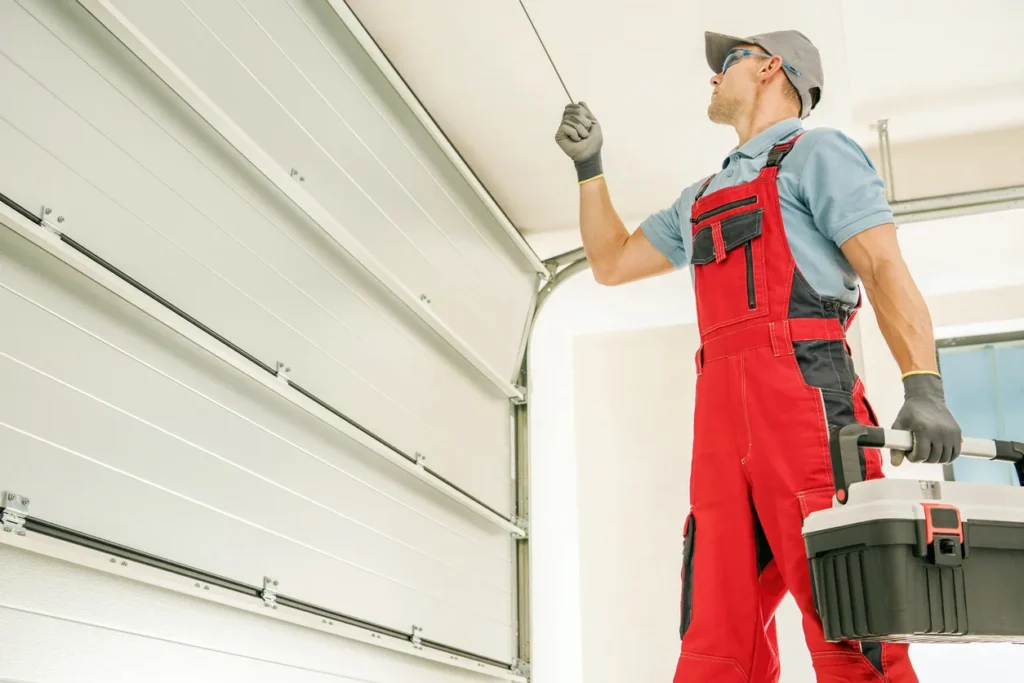
When you schedule a professional inspection, you are purchasing a thorough diagnostic process designed to uncover every potential failure point in your garage door system. This is not a cursory glance; it is a systematic evaluation of the entire assembly. The goal is to provide you with a clear, actionable report on the health of your door, allowing you to make informed decisions about maintenance or repairs.
The inspection begins with the hardware. Technicians examine the high-tension parts that lift the door’s weight. This includes the torsion or extension springs, which are checked for rust, gaps, and fatigue. Cables are inspected for fraying or kinking, which are precursors to snapping. The rollers, hinges, and bearings are evaluated for wear and proper lubrication. If the rollers are worn flat or the bearings are seized, they cause drag that strains the entire system.
Next, the focus shifts to the track and alignment. The vertical and horizontal tracks must be perfectly parallel and plumb. Any bends, dents, or loose mounting brackets can cause the door to bind or derail. Technicians ensure that the track spacing is correct and that the door sits flush against the seal when closed, which is essential for energy efficiency and pest control.
The electrical and safety systems receive a rigorous test. This involves testing the logic board of the opener, the travel limits, and the force sensitivity. The photo-eye sensors are checked for alignment and cleanliness to ensure they stop and reverse the door if a person or object crosses the beam. Technicians also test the manual release handle to ensure you can operate the door manually during a power outage:
- Balance Test: Verifying the door lifts manually with minimal effort, indicating properly tuned springs.
- Force Setting Test: Ensuring the opener stops attempting to close if it encounters resistance.
- Sensor Alignment: confirming the invisible safety beam is active and responsive.
- Hardware Tightening: Securing all lag screws, bolts, and fasteners that may have vibrated loose over time.
How Inspection and Repairs are Handled
Understanding the workflow of a professional inspection helps homeowners know what to expect. Good Golly Garage Doors utilizes a structured approach to ensure no component is overlooked and that the homeowner is fully informed throughout the process:
- Initial Assessment and Operation Check: The technician begins by operating the door to listen for irregularities and observe the movement. This baseline test reveals obvious issues like hitching, jerking, or loud noises. The technician also visually scans the exterior and interior panels for cosmetic or structural damage.
- The Multi-Point Inspection: Following a strict checklist, the technician isolates the electrical and mechanical systems. Power is often disconnected to safely inspect the internal gears of the opener. Tension is tested on the springs. Every hinge and roller is physically manipulated to check for excessive play. This phase is hands-on and detailed.
- Findings and Recommendations Report: Once the physical exam is complete, the technician compiles the findings. You receive a breakdown of what is working well, what requires immediate attention, and what might need service in the near future. This distinguishes between urgent safety repairs and proactive maintenance.
- Repair Execution: If you approve the recommended repairs, the work is often performed on the spot. Service vehicles are typically stocked with high-usage parts like springs, rollers, and sensors to resolve issues in a single visit. This minimizes downtime and restores your home’s security immediately.
- Final Safety Validation: After any adjustments or repairs are made, the system is tested again. The technician ensures the door runs smoothly, the safety reversal system functions correctly, and the remotes and keypads are operational.
Choosing the Right Time for a Full Garage Door Replacement
A common dilemma during an inspection is deciding whether to repair the existing unit or invest in a replacement. While many mechanical issues are repairable, there are specific scenarios where replacement is the more fiscally responsible and safe choice. An inspection provides the data needed to make this calculation.
Age is the primary factor. Most garage door openers have a lifespan of 10 to 15 years, while the door panels can last 20 years or more depending on the material. If your system is approaching two decades of use, parts may be obsolete, making repairs difficult and expensive. Furthermore, older doors often lack modern safety features, such as rolling code technology which prevents code grabbing, and advanced safety sensors required by newer building codes.
Structural damage is another tipping point. If a vehicle has backed into the door, or if the panels are severely corroded or warped, the structural integrity is compromised. While individual panels can sometimes be replaced, mismatched panels can affect the door’s balance and aesthetic. If more than two panels are damaged, the cost of repair often rivals the cost of a brand-new, warrantied door.
Energy efficiency is a valid reason to upgrade. Older, uninsulated wooden or thin steel doors allow massive heat transfer. In a climate like Texas, this can make the garage—and any adjacent rooms—unbearably hot. Upgrading to a modern, insulated steel door with a high R-value can significantly reduce cooling costs and improve the durability of the door against wind and debris.
Local Regulations and Weather Considerations for Bee Cave
Operating a garage door in Bee Cave requires specific attention to local climate challenges and building standards. The environmental conditions here exert unique stresses on garage door systems that differ from other regions:
Heat and Lubrication Breakdown
The intense summers, with temperatures consistently reaching 90°F to 100°F, can wreak havoc on garage door lubricants. Standard grease can melt and drip off the tracks, or dry out and become a sticky paste that attracts dirt and grit. This leads to increased friction and premature wear on rollers and hinges. Inspections in this region focus heavily on degreasing old tracks and applying high-temp silicone or lithium-based lubricants that can withstand the Texas heat without failing.
Thunderstorms and Wind Load
Spring and late summer bring significant thunderstorm activity and potential severe weather. Garage doors are the largest opening in a home; if they fail during high winds, the pressure change can cause severe structural damage to the roof and walls. Local building codes often require doors to meet specific wind load ratings. An inspection verifies that your door is properly reinforced with struts and that the track mounting is secure enough to withstand positive and negative wind pressures typical of the area.
Foundation Shifts
The soil conditions in the region can lead to foundation shifting, which alters the geometry of the garage frame. If the frame settles, a once-square door opening becomes a parallelogram. This causes the door to bind in the tracks or creates gaps at the bottom corners where pests and water can enter. Technicians look for these structural shifts and can adjust the track spacing or bottom seal to compensate for minor foundation movement.
Why Trust Us: Licensed Expertise and Strict Safety Standards
Selecting a service provider for garage door inspection is a decision that impacts the safety of your home. The industry is technical, requiring specialized tools and training to handle high-tension systems safely. Attempting DIY inspections on torsion springs, for example, is a leading cause of garage-related injuries.
Professional technicians undergo rigorous training to understand the physics of counterbalancing systems. They are equipped with winding bars, tension gauges, and diagnostic meters that allow them to precisely calibrate the door. This expertise ensures that the door is not just moving, but is balanced to within a few pounds of neutral weight, prolonging the life of the opener.
Furthermore, legitimate service providers carry the necessary insurance and licenses to operate in the region. This protects the homeowner from liability in the event of an accident on the property. It also guarantees that any parts installed—from springs to logic boards—meet or exceed OEM specifications. Cheap, third-party parts often fail quickly under the heavy workload of a garage door, leading to repeat service calls.
A professional approach also means transparency in pricing and scope. You receive a clear explanation of why a part failed and how the proposed solution fixes the root cause, rather than just treating the symptom. This level of technical depth and adherence to safety protocols is what separates a qualified inspector from a general handyman.
Don’t Leave Your Garage Door’s Safety to Chance: Schedule an Inspection Today
Your garage door is the largest moving object in your home and a primary entry point. Ensuring it operates safely and securely is not something to leave to chance. If you are noticing performance issues or simply want to ensure your system is ready for the upcoming season, take action today.
Secure your home and restore functionality with a comprehensive inspection. Contact us now to schedule your service.
 All Service Areas