

Garage Door Company in Glendale, AZ
Struggling with a stuck garage door in Glendale? Contact Good Golly Garage Doors for rapid, expert repair and installation services. Schedule your technician visit today!
Stuck Garage Door? Get It Fixed Fast!
Is your garage door refusing to budge, leaving you stranded either inside or out with a vehicle you cannot access? You need a reliable solution that’s both quick and affordable to get your day back on track in Glendale. Contact us to schedule a technician or discuss financing options for urgent replacements.
Good Golly Garage Doors understands that a malfunction isn’t just an inconvenience; it is a security risk and a disruption to your daily routine. When the heavy machinery in your garage fails, you need a response that prioritizes safety and speed.
- Transparent pricing means no hidden fees or surprise costs on your final bill.
- Expert repairs come from local technicians with years of experience handling all major brands.
Fully licensed and insured for your peace of mind.
Professional Solutions for Malfunctioning Systems
When a garage door fails, it rarely gives a warning. The system is comprised of heavy panels, high-tension springs, and complex electronics that must work in unison. A failure in one component often triggers issues in others. The priority is to diagnose the root cause so the correct repair can be applied without delay.
Residents in this area frequently encounter specific mechanical failures that require professional intervention. Addressing these issues promptly prevents further damage to the opener motor or the door structure itself.
- Broken Torsion or Extension Springs: The springs bear the weight of the door. When they snap, the door becomes too heavy to lift manually or electronically. This is the most common reason a door will not open.
- Misaligned or Bent Tracks: If the metal tracks are bent or the door has jumped the track, operation becomes dangerous. Forcing the door can cause it to fall completely.
- Malfunctioning Openers: Issues often stem from stripped gears, electrical faults, or logic board failures within the motorsystem.
- Snapped Cables: Cables work with springs to lift the door. If a cable snaps, the door may tilt unevenly or slam shut.
- Worn Rollers: Degraded rollers cause loud, grinding noises and vibration, which stresses the opener and tracks.
Technicians arrive with standard parts to resolve these issues. The goal is to restore full functionality, security, and safety in a single trip.
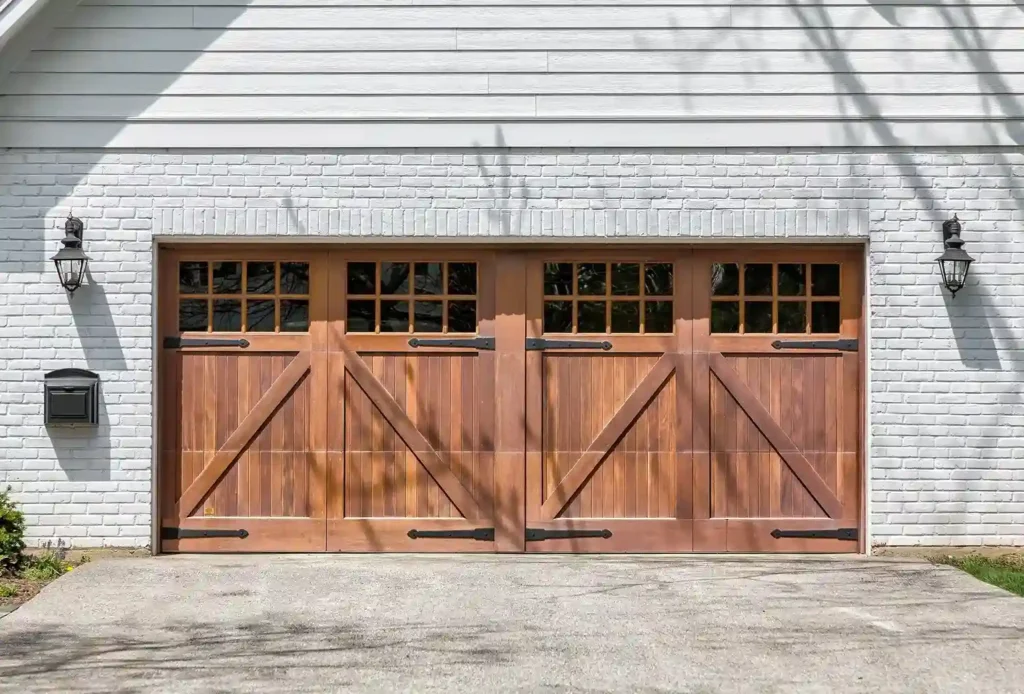
The Installation and Replacement Process
There comes a time when repairs are no longer cost-effective, or you simply need an upgrade to improve curb appeal and insulation. Installing a new garage door is a construction project that involves electrical work, structural alignment, and heavy lifting. Professional installation follows a strict protocol to ensure the new system operates smoothly for years.
The process is designed to be efficient and minimally invasive to your home environment.
- Site Assessment and Measurement: First, technicians measure the rough opening, side room, and headroom (backroom). This ensures the selected door fits perfectly and clears any ceiling obstructions like lights or storage racks.
- Door Selection: Next, you select the material, style, and insulation value. Given the local climate, choosing the right R-value (insulation rating) is critical for energy efficiency.
- Removal of Existing Equipment: The old door, tracks, and opener are safely disassembled. High-tension springs are unwound carefully to prevent injury before the hardware is hauled away for disposal.
- Track and Panel Installation: New vertical and horizontal tracks are bolted into the framing. Panels are stacked and hinged together one by one, ensuring they are level and plumb.
- Spring and Motor Setup: The spring system (torsion or extension) is installed and wound to the precise tension required to counterbalance the door’s weight. The opener motor is mounted and connected to the door arm.
- Final Inspection and Safety Testing: Finally, the system undergoes rigorous testing. This includes testing the auto-reverse safety features, checking the balance of the door, and programming remotes and keypads.
Repair vs. Replacement: Making the Right Decision
Homeowners often struggle with the choice between repairing an existingsystem or investing in a replacement. This decision ultimately comes down to long-term value, safety, and the age of the current system.
While a quick repair is often the cheapest option, it may not be the most economical choice over a three to five-year period. Understanding the variables helps you make a financially sound decision.
When to Choose Repair
If the door is physically sound but a specific mechanical part has failed, repair is usually the best route.
- Sudden Component Failure: If a single spring breaks or a cable snaps on a relatively new door (under 10 years old), replacing the part returns the door to like-new condition.
- Cosmetic Damage: If a single panel is dented but the rest of the door is intact, replacing just that panel saves money compared to a full system swap.
- Sensor or Logic Issues: Often, doors fail due to simple misalignment of safety sensors or wiring issues that can be fixed with standard service.
When to Choose Replacement
Replacement becomes necessary when the structural integrity of the system is compromised or when the cost of repairs approaches 50% of the cost of a new system.
- Severe Impact Damage: If a vehicle hits the door, damaging multiple panels and the track system, the structural rigidity is likely gone. Repairing this often results in a door that never seals or operates correctly again.
- Age and Wear: If the door is over 15 years old, finding parts may be difficult. Furthermore, older doors lack modern safety features and insulation technology.
- Recurring Breakdowns: If you are calling for repairs multiple times a year, the system is likely fatigued.
- Energy Efficiency Needs: Older wooden or uninsulated steel doors allow significant heat transfer. Upgrading to a modern, insulated door can lower energy bills.
Navigating Local Climate and Requirements
Operating a garage door in Glendale presents unique challenges due to the specific environmental conditions of the region.
- Lubrication: Standard grease can dry out and become “gummy” attracting dust and causing friction. Silicone-based lubricants are required to maintain smooth operation.
- Electronics: Opener logic boards located in non-insulated garages are prone to overheating and failure.
- Insulation: An uninsulated metal door acts as a giant radiator, transferring outdoor heat into the garage and the adjacent living spaces. High R-value polyurethane insulation is recommended to keep the garage interior cooler.
Monsoon Season Preparation
The monsoon season brings dust storms and sudden, heavy rainfall. A garage door is the primary defense against these elements.
- Bottom Seals: The rubber seal at the bottom of the door (astragal) must be pliable and intact. The desert sun often dries these out, causing them to crack. A compromised seal allows water, dust, and scorpions to enter the garage.
- Structural Reinforcement: While hurricanes are not a threat, high winds from thunderstorms can damage standard doors. Reinforced struts help the panels resist wind load.
Permits and HOA Compliance
Any significant alteration to the exterior of a home, including garage door replacement, may require adherence to local zoning or Homeowners Association (HOA) guidelines.
- HOA Restrictions: Many communities have strict rules regarding door color, style, and window placement to maintain uniformity. Checking these guidelines before purchase prevents costly compliance issues later.
- Permitting: While minor repairs generally do not require permits, structural modifications or electrical circuit additions usually do. Professional installers manage this compliance to ensure all work meets local building codes.
Differentiators in Professional Service
The garage door industry is flooded with options, but the quality of the workmanship defines the longevity of the repair. Good Golly Garage Doors prioritizes technical precision and customer transparency over quick, temporary fixes.
Safety First
The most critical aspect of garage door service is safety. The torsion spring system holds enough potential energy to lift a 400-pound door. If handled by an amateur or with improper tools, these springs can release that energy instantly, causing severe injury or property damage. Professionals use winding bars and containment cables to manage this tension safely.
Diagnostic Accuracy
A noisy door is a symptom, not the problem. Simply spraying lubricant on a squeaking track does not solve the underlying issue of a fraying cable or a dying motor bearing. Experienced technicians diagnose the root cause to prevent the symptom from returning weeks later.
Inventory and Availability
Time is of the essence when your car is trapped. Professional service trucks function as mobile warehouses, stocked with a variety of springs, rollers, cables, and sensors. This preparation allows for “one-call” resolution for the vast majority of service requests.
</section>
<section>
Securing Your Home and Convenience
A functioning garage door is essential for the security of your home and the convenience of your daily life. Whether you are dealing with a door that is stuck halfway, a remote that has stopped working, or a loud grinding noise that wakes the neighbors, prompt action is required. Ignoring these signs leads to more expensive repairs and potential safety hazards.
From urgent spring replacements to the installation of high-efficiency systems, the right solution is available. Do not let a broken door disrupt your schedule or compromise your home’s safety any longer.
Book your service appointment now and restore your garage door to perfect working order today.
Proudly Serving Phoenix, AZ, and Surrounding Areas
We provide the best garage door services you can find across Phoenix, AZ. Whether it’s the impact of Phoenix’s heat and sudden storms on garage door components, we ensure our solutions are tailored to your needs. Wherever you are, Good Golly Garage Doors is ready to deliver.
Call (602) 399-7054 All Service Areas