

Garage Door Cable Repair In Phoenix, AZ
Experiencing a garage door cable issue in Phoenix? Contact us for immediate, safe cable repair and ensure your garage's security and functionality. Get service today!
Need Cable Repair for Your Garage Door?
When your garage door cable snaps, it can bring your day to a halt and leave your home vulnerable. Ensure a quick, secure fix by calling our certified technicians available 24/7 at Contact Us or requesting an appointment online.
A broken cable often leaves your heavy garage door stuck at an angle or completely inoperable, creating a significant safety hazard and a security gap for your property in Phoenix. We provide rapid response solutions to get your system back on track.
- Same-day service ensures your garage is secure and fully functional within hours.
- Our team is equipped for both residential and commercial repairs, handling any door size or brand.
Licensed and insured so that all repairs meet local building codes and safety standards.
Restore Safety and Functionality with Expert Cable Service
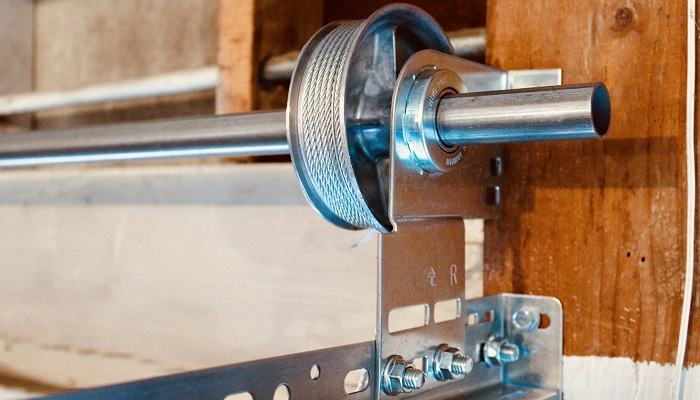
Garage door cables are the unsung heroes of your overhead door system. While the springs provide the lifting force, the cables are responsible for holding that weight and guiding the door smoothly along the tracks. When a cable frays, slips off the drum, or snaps entirely, the entire mechanism fails.
We provide a comprehensive repair service designed to address not just the broken component, but the integrity of the entire lifting assembly. A snapped cable places immense stress on the remaining cable, the tracks, and the door panels themselves. Our service includes a full assessment of the torsion or extension spring system to ensure that replacing the cable will result in a long-term fix, rather than a temporary patch.
Upon arrival, our technicians conduct a multi-point inspection. We examine the condition of the drums, the bottom brackets, and the bearings. If a cable has snapped due to a seized bearing or a rusted bottom bracket, simply replacing the wire will not solve the underlying issue. Our goal is to restore the door to factory-specified balance and operation, ensuring it opens and closes smoothly without jerking or binding.
The Repair Process: Precision and Safety First
Repairing or replacing garage door cables is one of the most dangerous aspects of garage door maintenance due to the extreme tension involved. The cables are directly connected to the spring system, which is under enough pressure to lift hundreds of pounds. Good Golly Garage Doors utilizes a strict, safety-focused protocol to handle these repairs efficiently and without risk to your property.
Our technicians follow a systematic approach to ensure every replacement is secure:
- Site Safety and Door Stabilization: The first step involves securing the door in a safe position. If the door is crooked or stuck halfway, we use vice grips and blocking techniques to prevent it from crashing down while we work. This protects the technician and prevents further damage to the door panels or the concrete floor.
- Tension Release: Before the old cable can be removed or a new one installed, the tension on the springs must be carefully released. This requires specialized winding bars and professional experience to unwind the springs safely. Attempting to manipulate the cables without releasing spring tension is the primary cause of injury in DIY attempts.
- Cable and Drum Inspection: Once the tension is off, we remove the damaged cables. We inspect the cable drums (the pulleys at the top of the door) for cracks, sharp edges, or wear patterns that might have caused the cable to fray prematurely. If the drums are damaged, they are replaced to prevent the new cable from being cut.
- Installation and Routing: We install the new, high-strength cables, securing them to the bottom brackets and routing them correctly over the drums. Proper routing is critical; a misaligned cable can rub against other components, leading to rapid failure. We ensure the cable length is precisely matched to the door’s height and drum size.
- Resetting Tension and Balancing: With the new cables in place, we rewind the springs to the specific manufacturer-recommended tension. We then balance the door, ensuring it can be lifted manually with one hand and stays in place when released halfway. A balanced door puts less strain on the opener and the new cables.
- Final Safety Check: We run the door through several automatic cycles to verify smooth operation. We check the safety sensors and the auto-reverse mechanism to ensure the system is fully compliant with safety standards.
Determining if Component Replacement Is Necessary
Homeowners often ask if a cable can be repaired rather than replaced. In the context of high-tension lifting cables, “repair” almost always means “replacement.” Splicing or clamping a snapped cable is unsafe and will not pass safety inspections. The structural integrity of the lift system depends on continuous, unbroken steel strands.
You should consider replacement if you notice specific warning signs, even if the cable hasn’t snapped yet.
- Fraying and Separation: If you see loose strands of wire sticking out from the main cable bundle, the cable is compromised. A standard garage door cable is made of several strands of galvanized steel twisted together. When outer strands break, the inner core takes on more weight than it was designed for, leading to inevitable failure.
- Rust and Corrosion: In older homes or areas with higher moisture exposure, cables can rust. Rust eats away at the steel, making it brittle. If the cable looks orange or brown and feels rough to the touch, it has lost significant tensile strength and should be swapped out before it snaps under load.
- Kinks and Bends: A cable should run in a straight line or a smooth curve around the drum. If the cable has kinks or sharp bends, usually caused by a previous door malfunction or the cable jumping the drum, it creates a weak point. This deformation creates stress concentrations that will eventually cause the wire to snap.
- Uneven Door Movement: If your garage door looks uneven when it closes (one side touches the floor while the other has a gap), it often indicates that one cable is stretching or fraying, or that the cable drums have slipped. Operating a door in this condition can warp the tracks and damage the rollers.
- Slack in the Cables: When the door is fully open, the cables should remain taut. If you notice a cable hanging loosely, it may have slipped off the drum or the spring tension may be incorrect. While this might be a tension adjustment issue, it frequently results in the cable becoming tangled or kinked, necessitating replacement.
Why Professional Service Matters for High-Tension Systems
The garage door is the largest moving object in most homes, and the cable system is under extreme tension. Unlike a squeaky hinge or a loose handle, cable repair involves stored mechanical energy that can cause severe injury or property damage if mishandled.
- Specialized Tooling: Properly replacing a cable requires more than standard wrenches. It requires winding bars that fit the specific spring cone diameter, cable crimping tools (if customizing lengths), and vice grips to lock the shaft. Using makeshift tools like screwdrivers to wind springs is a common cause of hand and facial injuries.
- System calibration: A garage door system works on balance. If you replace a cable on the left side, the new cable will have a different elasticity than the old cable on the right. This can cause the door to rack or bind. Professionals understand how to match cable stretch or, more commonly, will replace both cables simultaneously to ensure perfectly equal lift on both sides.
- Liability and Insurance:= Most homeowner insurance policies cover damage caused by garage doors, but DIY repairs that lead to failure can complicate claims. By hiring a licensed professional, you ensure that the work is documented, warrantied, and performed according to industry standards.
- Correct Part Selection: Not all cables are the same. They vary in thickness (diameter), strand count (flexibility), and length. Installing a cable that is too thin for a heavy wooden overlay door will result in snapping. Installing one that is too thick may not seat correctly in the drum grooves. We carry a wide inventory to match the exact specifications of your door system.
Secure Your Garage Today
A broken or damaged garage door cable is not a problem that can wait. It renders your garage unusable, traps your vehicle, and compromises the security of your home. Waiting to address the issue can lead to more expensive repairs involving tracks, rollers, and opener motors.
Don’t risk injury or further damage by attempting to lift a heavy door with broken cables. Let our experienced team handle the tension and heavy lifting for you. We provide the expertise, the parts, and the speed required to get your door moving smoothly again.
Contact us now to schedule your cable repair service.
Garage Door Cable Repair FAQ
Proudly Serving Phoenix, AZ, and Surrounding Areas
We provide the best garage door services you can find across Phoenix, AZ. Whether it’s the impact of Phoenix’s heat and sudden storms on garage door components, we ensure our solutions are tailored to your needs. Wherever you are, Good Golly Garage Doors is ready to deliver.
Call (602) 399-7054 All Service Areas