Garage Door Cable Repair in Liberty Hill, TX
Experiencing a stuck or crooked garage door in Liberty Hill? Contact Good Golly Garage Doors for professional cable repair. Ensure your door's safety and functionality today!
A Stuck Garage Door Often Signals Dangerous Cable Failure
When your garage door refuses to open or sits crookedly in the opening, it is more than a simple inconvenience; it is a complete disruption to your daily routine that traps your vehicle and poses a significant safety risk. Good Golly Garage Doors provides rapid, professional cable repair services to homeowners throughout Liberty Hill, ensuring your door operates safely and functions flawlessly. Contact us now to schedule an emergency inspection or discuss financing options for your repair.
Homeowners frequently underestimate the tension involved in a garage door system until a cable snaps or unravels. These cables are responsible for lifting the entire weight of the door, and when they fail, the door becomes an immoveable object. Do not attempt to force the door open or cut the dangling wires, as this can lead to catastrophic injury or further damage to the track and panels.
- Immediate response team dispatched promptly to assess the cable failure.
- Comprehensive inspection of drums, springs, and cables with same-day repair capabilities.
- Full satisfaction guarantee ensuring the door is balanced and safe before we leave.
- Backed by licensed, insured professionals and a workmanship warranty for peace of mind.
What Immediate Cable Repair Services Include
When you request service for a cable issue, the objective is to restore the structural integrity of the lift system immediately. A garage door cable repair is rarely just about swapping out a wire; it involves a holistic look at the counterbalance system. In Liberty Hill, where garage usage is high, we focus on durability and safety standards that exceed basic manufacturer requirements.
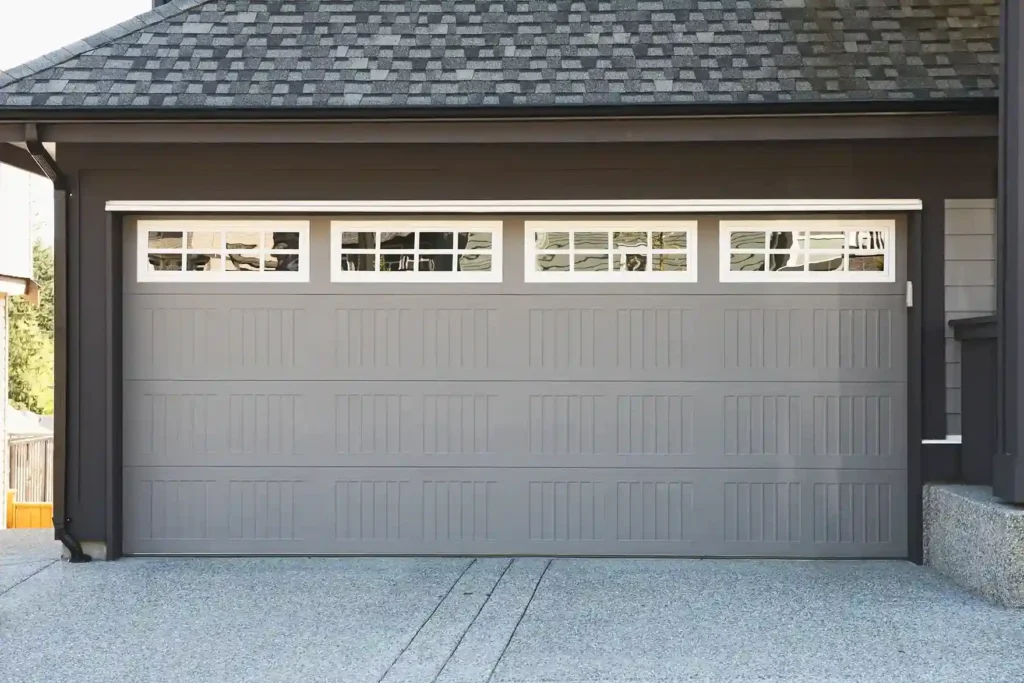
The service appointment begins with a complete lockout of the system. We ensure the door is mechanically secured so it cannot fall during the repair. Following safety protocols, technicians inspect the specific failure point. Cables generally fail in three ways: they snap due to rust and wear, they fray and get stuck in the drum, or they slip off the drum entirely due to slack in the springs.
Our repair scope includes the removal of the damaged lifting mechanism and the installation of high-cycle, galvanized aircraft-quality cables. We do not use generic, thin wires that are prone to snapping under the heavy load of modern insulated doors. The service includes re-setting the cable drums, ensuring the witness marks align, and re-tensioning the torsion springs to account for the new cable length. Every repair concludes with a balance test, ensuring the door can be lifted by hand with minimal effort, which confirms the system is bearing the weight, not your electric opener.
The Process of Restoring Your Garage Door Functionality
Understanding the steps involved in a professional cable repair highlights why this is strictly a job for trained technicians. The immense torque stored in the springs makes this one of the most dangerous household repairs. We utilize a systematic approach to safely replace the hardware without risking property damage or injury.
- First, technicians clamp the door securely to the track to prevent free-falling. This is a critical safety step, as a door with a broken cable is unbalanced and can crash down unexpectedly.
- Next, the tension must be released from the torsion springs. This requires specific winding bars and a steady hand. The springs must be fully unwound to create enough slack to manipulate the cables on the drums.
- Technicians then remove the old, frayed, or snapped cable from the bottom bracket. If the bottom bracket is rusted or damaged, it is also replaced at this stage to ensure a secure anchor point.
- The new high-strength cable is routed up the height of the door, behind the rollers, and hooked into the cable drum at the top of the door shaft.
- Once hooked, the cable is wound onto the drum precisely. The cable must sit in the grooved slots of the drum without overlapping. Overlapping cables cause the door to open unevenly and can lead to immediate failure.
- With the new cables in place, the tension is added back to the springs. This is calculated based on the weight and height of the door.
- Finally, the technician levels the door. If one side is higher than the other, the drums are adjusted on the shaft until the door sits perfectly flush with the ground.
Determining When to Repair vs. Replace Cables
Homeowners often ask if a cable can be spliced or repaired. In the garage door industry, a damaged cable is never repaired; it is always replaced. However, the decision often extends to whether you should replace just the cables or upgrade the associated hardware.
When Replacement is Mandatory
If a cable has snapped, frayed, or shows signs of severe oxidation (rust), replacement is the only option. A frayed cable is a ticking time bomb. Even a single broken strand within the braided wire significantly reduces its load-bearing capacity. If you see “hairs” sticking out of the cable, it must be replaced immediately.
Replacing in Pairs
If one cable breaks, the other is likely not far behind. We strictly recommend replacing both cables simultaneously. Since both cables have been under the same amount of tension for the same number of years, leaving one old cable creates an imbalance. The new cable will be stiff and strong, while the old cable may have stretched over time, leading to a door that pulls to one side or runs roughly in the tracks.
Hardware Upgrades
Sometimes the cable failure is a symptom of a bad drum or a seized bearing plate. If the grooves in the cable drum are worn down, the cable will continue to slip off regardless of how new it is. in these instances, we recommend replacing the drums alongside the cables to ensure the repair lasts.
Local Considerations for Liberty Hill Residents
Operating a garage door in Central Texas presents specific challenges that influence how we approach cable repair. The local climate plays a major role in the longevity of your metal components. Liberty Hill experiences hot, humid summers and considerable annual rainfall. This humidity is the enemy of standard steel cables.
Moisture trapped in the garage, or condensation on the door panels, can wick into the braided steel of the cable. Over time, this causes internal rust that eats away at the core of the wire. Often, a cable looks fine on the outside but is corroded on the inside. We utilize galvanized or stainless steel cables for homes in this region to combat the oxidation caused by our humid climate.
Furthermore, soil shifting in the area can sometimes cause the garage frame to shift slightly. This misalignment can cause the door to drag in the tracks, putting uneven tension on the cables. During our visit, we check the track alignment to ensure the home’s settling hasn’t created a friction point that is prematurely wearing out your lifting cables.
We also adhere to all safety codes relevant to the region. While there are no specific rebates for cable repair, ensuring your door meets wind-load requirements and general safety standards is vital for maintaining your home’s value and insurability.
Why Professional Execution is Critical
Attempting a DIY repair on garage door cables is the leading cause of garage-door-related emergency room visits. The system relies on a delicate balance between the high-tension springs and the cables. When a homeowner attempts to re-spool a cable without the proper winding bars or knowledge of how to release spring tension, the results can be disastrous.
The Danger of “Jumping” Cables
A common issue homeowners try to fix themselves is a cable that has “jumped” the drum. This usually happens when the door hits an obstruction. The cable goes slack and tangles around the torsion shaft. Good Golly Garage Doors technicians use vice grips and leverage tools to safely unravel the mess without cutting the cable under tension. Trying to untangle this by hand can result in crushed fingers or severe lacerations from the frayed metal.
Proper Tensioning
Setting the tension is not a guessing game. It requires calculation. If the cables are too tight, the door will not close all the way and the opener will struggle, potentially stripping its gears. If the cables are too loose, they will slip off the drum every time you open the door. Our technicians ensure the tension is calibrated so the door floats in the opening, halfway up, without falling or shooting upward.
Tools and Expertise
We arrive with a truck fully stocked with cables of various lengths and thicknesses. Standard 7-foot doors require a different cable length than 8-foot custom carriage house doors often found in newer Liberty Hill developments. Using a cable that is too short prevents the door from closing; using one that is too long prevents it from opening fully. We ensure the correct part is used for your specific door model and weight class.
Signs Your Cables Are About to Fail
Waiting for a snap is risky. There are several warning signs that your cables are nearing the end of their lifecycle. catching these early can prevent the door from becoming stuck in the down position or slamming shut.
- Visible Fraying: If you look closely at the cables and see broken strands, the integrity is compromised.
- Rust Accumulation: Orange or brown buildup on the cables indicates corrosion.
- Uneven Door Movement: If the door shakes or shimmies as it moves, it often means one cable is stretching more than the other.
- Loud Screeching: Metal-on-metal noises often indicate a cable is rubbing against a bracket or the track due to misalignment.
- Slack at the Bottom: When the door is fully open, the cables should remain taut. If they look loose or floppy, the tension is incorrect, and they are at risk of slipping off the drum.
Ensuring Long-Term Performance
Once your cables are repaired, maintaining the system is straightforward but necessary. We advise homeowners to visually inspect the cables every few months, especially after the wet spring season. Keeping the bottom brackets clean of debris and ensuring the tracks are free of obstacles will reduce the strain on the new cables.
We also recommend lubricating the springs and rollers (but not the tracks) to ensure smooth operation. A smooth-running door puts less dynamic shock on the cables when it starts and stops. While cables themselves generally do not need lubrication, keeping the surrounding environment clean helps prevent the grit and grime that causes abrasion.
Ready to Restore Full Function? Schedule Your Cable Repair Service Now
If you are currently looking at a garage door that is crooked, stuck, or has a dangling wire, do not wait. The tension on the remaining cable is likely exceeding its safety limits. We provide the expertise and parts necessary to secure your home and get your vehicle back on the road. Restore the safety and function of your garage door today; contact our team now to schedule your same-day cable repair service.
Proudly Serving Austin, TX, and Surrounding Areas
From the neighborhoods of Austin to Round Rock and Buda, we provide the best garage door services you can find across the area. Whether it’s the impact of Texas heat and sudden storms on garage door components, we ensure our solutions are tailored to your needs. Wherever you are, Good Golly Garage Doors is ready to deliver.
View All Cities
 All Service Areas