

The Mystery of Your Loud Garage Door in Crestline Solved
Expert Garage Door Services Powered by Good Golly Garage Doors
Understanding the Racket: What’s Behind Your Noisy Garage Door
Why Is My Loud Garage Door in Crestline CA is a question we hear constantly from mountain homeowners dealing with everything from morning wake-up calls to neighbor complaints. The good news? Most garage door noise stems from a handful of fixable issues.
Quick Answer: Common Causes of a Loud Garage Door in Crestline, CA
- Squeaking/Screeching – Dry or worn rollers, hinges, or springs that need lubrication
- Grinding/Rumbling – Worn-out metal rollers or misaligned tracks
- Rattling/Vibrating – Loose nuts, bolts, screws, or a loose opener chain
- Popping/Banging – Torsion springs under extreme tension or a door that’s out of balance
- Climate factors – Temperature swings, moisture, and snow common to Crestline’s mountain environment
Learn more about common garage door issues, or if you need immediate help, schedule a professional inspection and repair.
Living near Lake Gregory means dealing with temperature extremes, moisture, and steep driveways that put extra stress on your garage door system. A door that was whisper-quiet last summer might turn into a neighborhood nuisance after a winter of snow and freezing temperatures. The dozens of moving parts in your garage door—rollers, springs, hinges, tracks, and the opener itself—all work together, and when one component starts failing, the noise can be impossible to ignore.
Most homeowners can tackle simple fixes like tightening loose hardware or applying the right lubricant to squeaky hinges. But some problems, especially those involving high-tension springs, require professional expertise to fix safely. Understanding which noises signal a quick DIY fix versus a call to the pros can save you time, money, and potential injury.
I’m Jason Henderson, and after years of leading service-based companies, I’ve seen how the question, “Why Is My Loud Garage Door in Crestline CA?” tops the list of homeowner concerns in our mountain communities. At Good Golly Garage Doors, we’ve diagnosed and quieted hundreds of noisy doors across the San Bernardino Mountains, and we know exactly which sounds mean what.
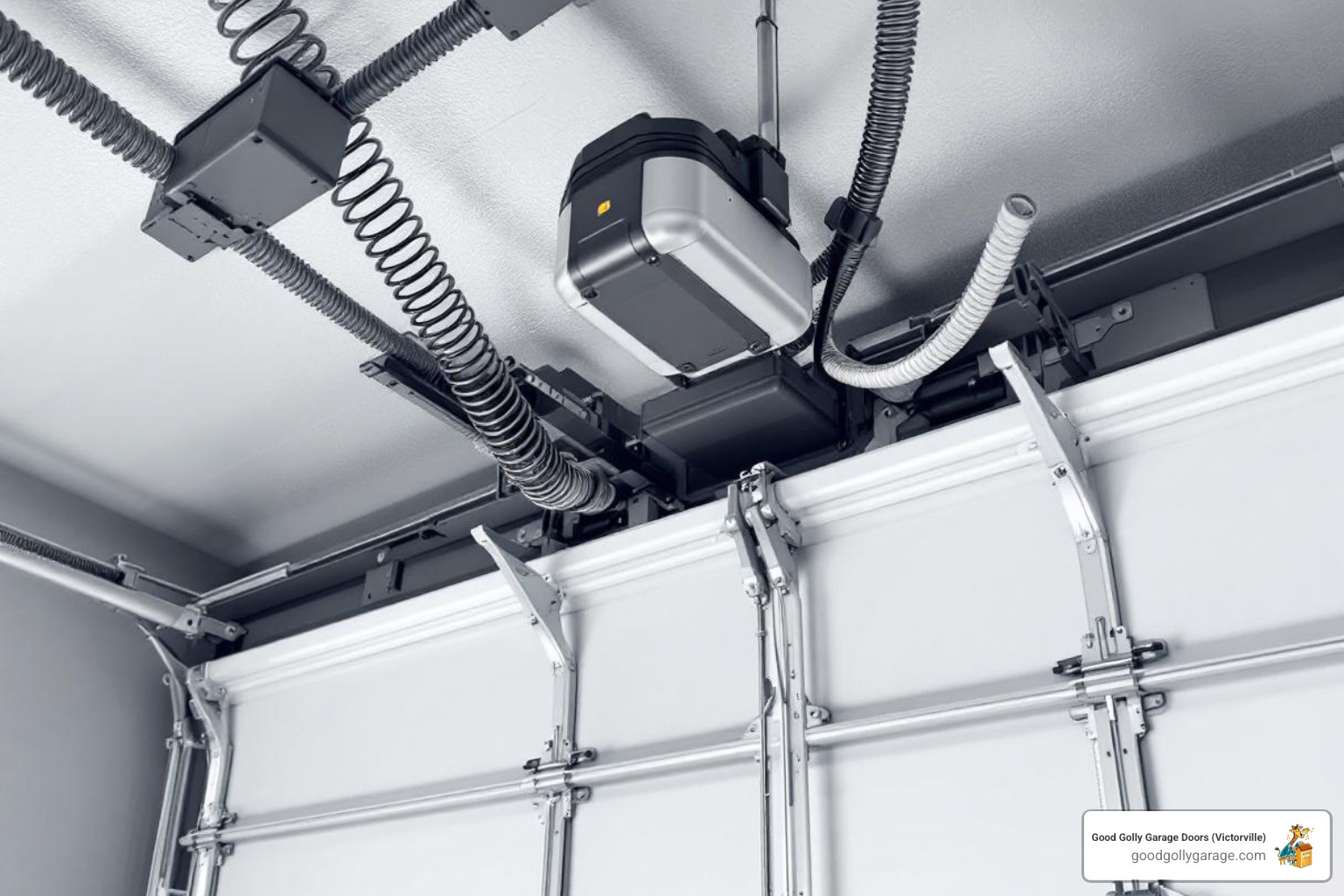
Why Is My Loud Garage Door in Crestline CA? Common Culprits and Their Sounds
Is your garage door making sounds that could rival a freight train? You’re not alone. Many homeowners in Crestline, CA, experience the frustration of a garage door that’s become a symphony of unwelcome noises. Our garage doors are complex systems with many moving parts, and when one component starts to falter, it can create a range of disturbing sounds. Understanding these common culprits and the specific noises they make is the first step toward diagnosing and solving the mystery of your loud garage door.
One major factor in garage door noise is what we call “structure-borne noise.” This refers to vibrations produced by the garage door system—the motor, tracks, and rails—that travel through the rigid connections of the garage door’s infrastructure directly into the building’s structure. If you have a bedroom or living space above or next to your garage, this can turn a mild annoyance into a significant disruption. Beyond this structural transmission, the noise often points to worn parts, a lack of lubrication, or misalignment within the system. Let’s break down the sounds.
Squeaking or Screeching Noises
A high-pitched squeak or an ear-splitting screech is often the most common and irritating noise a garage door can make. If you hear these sounds, your garage door is likely crying out for some attention—specifically, lubrication.
- Rollers: These unsung heroes guide your door along the tracks. Over time, metal rollers can wear out, rust, or simply run dry. Nylon rollers, while generally quieter, can also become noisy if their bearings lose lubrication. If your rollers are the source, you’ll hear the squeak as the door moves up and down.
- Hinges: The hinges connect the individual panels of your garage door. Like rollers, they are points of friction. Dry or rusty hinges will loudly protest with every movement. Worn-out hinges might also start to grind.
- Springs: Both torsion springs (mounted horizontally above the door) and extension springs (running along the side tracks) can squeak if they lack proper lubrication. These springs are under immense tension, and any noise from them should be taken seriously.
- Weather Stripping: Sometimes, the noise isn’t mechanical at all. The weather stripping around the door frame or between panels can dry out and rub against the door, creating a high-pitched squeaking sound.
The key to understanding garage door acoustics here is identifying the source of friction. Most squeaks indicate a need for proper lubrication, but it’s crucial to use the right type. We’ll dive into DIY solutions soon, but WD-40 is generally not recommended for garage door lubrication as it can attract dirt and break down existing grease.
Grinding or Rumbling Noises
When your garage door sounds like it’s grinding gears or rumbling like distant thunder, it’s usually a more serious indicator than a simple squeak. These sounds often suggest metal-on-metal friction or parts that are struggling to move smoothly.
- Worn-Out Rollers: While rollers can squeak from lack of lubrication, severely worn or damaged metal rollers can grind against the tracks. If the rollers are frozen due to rust or have flat spots, they won’t roll smoothly, leading to a grinding sound and potentially uneven door movement.
- Misaligned Tracks: The tracks on either side of your garage door must be perfectly parallel and aligned. If they get bent, loose, or knocked out of alignment, the rollers will struggle to move, resulting in a grinding or rubbing noise. Debris or obstructions in the tracks can also cause a similar sound.
- Opener Motor Issues: Sometimes, the grinding isn’t from the door itself but from the opener’s motor or gears. Older AC motors can be inherently louder, but a new grinding sound from your opener could indicate worn motor gears or other internal issues. This often manifests as a rumbling vibration that transmits through the ceiling.
- Debris in Tracks: Even small pebbles, dirt, or other foreign objects lodged in the tracks can cause a grinding noise as the rollers attempt to pass over them. This is especially relevant in Crestline, where dust and debris can accumulate.
Grinding noises should prompt immediate investigation, as they can indicate increased wear and tear that could lead to more significant damage if left unaddressed.
Rattling or Vibrating Noises
A rattling or vibrating garage door can be incredibly annoying, often signaling loose components or an unsecured system. These sounds are typically less severe than grinding but still warrant attention to prevent further issues.
- Loose Hardware: Your garage door is held together by dozens of nuts, bolts, and screws. Over time, due to constant motion and vibration, these can loosen. Loose bolts on hinges, panel connections, or track brackets will cause rattling as the door moves.
- Loose Opener Chain/Belt: If your garage door opener uses a chain drive, a loose chain can slap against the rail, creating a distinct rattling or slapping sound. Belt drive openers are generally quieter, but even a loose belt can vibrate.
- Unsecured Opener Unit: The garage door opener itself is mounted to the ceiling via brackets. If these brackets or the opener unit itself are not securely fastened, the vibrations from the motor can cause the entire unit to rattle against the ceiling or transmit vibrations throughout the garage structure.
- Other Loose Components: Check for any other loose items near the garage door, such as light fixtures, tools hanging on the wall, or even decorative elements that might vibrate in sympathy with the door’s operation.
Addressing rattling and vibration often involves a simple tightening of fasteners or adjustments to the opener, but ignoring them can lead to further loosening and potential operational problems.
Popping or Banging Noises
These are the noises that tend to make homeowners jump. A sudden pop or loud bang during garage door operation is often a clear signal of a more serious, and potentially dangerous, underlying issue.
- Torsion Springs: The torsion spring system is under extreme tension, designed to counterbalance the heavy weight of your garage door. If a spring breaks, it can release this tension with a very loud, startling bang, often sounding like a gunshot. Additionally, if the torsion spring is dry or “locking up” due to lack of lubrication, it might make a popping noise as it winds and unwinds.
- Extension Springs: Similar to torsion springs, if an extension spring breaks, it can make a loud noise, though typically not as deafening as a torsion spring.
- Door Imbalance: A garage door that is not properly balanced (often due to worn or incorrect springs) will put excessive strain on the opener. This can cause the door to move unevenly, stick, or drop suddenly, leading to banging noises as it hits the ground or other components. The opener might also strain, producing grinding or groaning sounds.
- Misalignment or Loose Tracks: In severe cases, extreme misalignment or very loose tracks can cause the door to bind and then suddenly release, resulting in a loud bang. This might also be accompanied by the door going off-track.
Any popping or banging noise, especially a sudden, very loud one, should be treated as an immediate alert. These are strong indicators of potential component failure, particularly with springs, which pose significant safety risks.
Quiet Your Door: DIY Maintenance and Upgrades
Once you’ve identified the likely source of your garage door’s cacophony, you might be surprised at how many issues you can address yourself. Basic routine maintenance can go a long way in quieting a noisy garage door and extending its lifespan. However, safety is paramount, and there are certain tasks that should always be left to the professionals.
Before attempting any DIY work, always remember these crucial safety rules:
- Disconnect the Opener: Unplug your garage door opener from the power outlet to prevent accidental activation.
- Never Touch Springs: Garage door springs (both torsion and extension) are under extremely high tension. Attempting to adjust or repair them yourself can lead to severe injury or even death. Leave spring-related issues to trained technicians.
- Use Proper Tools: Have the right tools for the job, such as a wrench set, screwdriver, and appropriate lubricant.
DIY Maintenance Steps for a Loud Garage Door in Crestline CA
Here are some essential maintenance tasks you can perform to quiet your garage door:
- Tighten Hardware: Grab a wrench and screwdriver and go over every visible nut, bolt, and screw on your garage door. Pay close attention to the hinges, roller brackets, and the brackets holding the tracks to the wall and ceiling. Loose hardware is a common cause of rattling and vibration. Don’t overtighten, but ensure everything is snug.
- Lubricate Moving Parts: This is often the most effective step for squeaking and grinding noises.
- Rollers: For metal rollers, apply a white lithium-based grease to the bearings and the stem where it enters the roller. For nylon rollers, use a silicone-based lubricant, especially on the bearings. Do not lubricate nylon rollers on the tread itself, as this can degrade the material.
- Hinges: Lubricate the hinge pins where they pivot. White lithium grease is excellent for metal-on-metal contact.
- Springs: Both torsion and extension springs benefit from lubrication. Use a silicone-based spray lubricant to coat the entire length of the springs. This can help reduce popping noises from dry springs.
- Opener Chain/Rail: If you have a chain-drive opener, lubricate the chain with white lithium grease. For belt-drive openers, check your owner’s manual; some belts require no lubrication.
- Weather Stripping: If your weather stripping is squeaking, a light application of silicone spray can help reduce friction.
- Avoid WD-40: As mentioned, WD-40 is a degreaser, not a lubricant, and can actually strip away necessary lubrication, attracting dirt and leading to more problems.
- Clean Tracks: Inspect your tracks for any dirt, dust, pebbles, or other debris. Use a damp cloth to wipe them clean. A wire brush can help remove stubborn grime. Ensure the tracks are free of obstructions for smooth roller movement.
- Inspect Rollers: While lubricating, inspect each roller. Look for chipped, cracked, or worn-out rollers. Metal rollers that are rusted or have flat spots should be replaced. If you have plastic rollers, consider upgrading to nylon.
- Check Door Balance: A properly balanced garage door should stay put when manually lifted halfway. To test this, disengage your opener (pull the emergency release cord). If the door immediately falls or shoots up, your springs are out of balance. This is a job for a professional, as it directly involves spring tension.
Performing these maintenance steps every six months to a year, or more frequently in Crestline’s challenging climate, can significantly contribute to keeping your garage door running quietly and smoothly.
Component Upgrades for a Quieter System
If basic maintenance doesn’t fully resolve your noise issues, or if you’re looking for a genuinely quiet garage door system, certain component upgrades can make a world of difference.
- Nylon Rollers: This is arguably the biggest upgrade for noise reduction. Most standard garage doors come with steel rollers, which are noisy and prone to rust. Upgrading to ball-bearing nylon rollers drastically reduces friction and vibration, making your door much quieter. They are also more durable and require less maintenance.
- Upgraded Opener Systems:
- Belt Drive Openers: If you have an old, noisy chain-drive opener, switching to a belt-drive system will provide a noticeable reduction in noise. Belt drives use a steel-reinforced rubber belt instead of a chain, making them significantly quieter.
- DC Motor Openers: Modern DC (direct current) motor openers are typically much quieter than older AC (alternating current) motors. They often feature “soft start” and “soft stop” functions, which reduce the hard impact sounds of the door starting and stopping.
- Opener Isolator Kits: These kits are designed to absorb vibrations from the opener motor and prevent them from transferring to the ceiling and the rest of your home. They typically involve rubber isolators that dampen the movement.
- Insulation Panels: While primarily for temperature control, insulating your garage door (or the entire garage) can also help dampen sound. Insulated doors are heavier and more rigid, which can reduce panel vibration and make the door operate more smoothly. If you add insulation, ensure your springs are adjusted to handle the increased weight, which is a professional task.
- Torsion Springs: While you should never DIY spring repair, knowing that a properly installed and balanced torsion spring system contributes to quieter operation is important. If your springs are old, worn, or improperly sized, they can cause excessive noise and strain on your opener.
Investing in these upgrades can transform a loud, clunky garage door into a smooth, almost silent operation, enhancing the peace and quiet of your Crestline home.
How Crestline’s Climate Affects Your Garage Door
Living in Crestline, surrounded by the stunning San Bernardino Mountains and near natural landmarks like Lake Gregory, offers unique advantages, but it also presents specific challenges for your home’s components, including your garage door. The mountain climate, with its temperature fluctuations, moisture, snow, and even dust, can significantly impact your garage door’s performance and contribute to unwelcome noise.
From homes near Lake Gregory to cabins tucked into the surrounding mountain roads, our team understands the unique demands placed on garage doors in this region. We’ve seen how the elements conspire to turn a quiet door into a noisy nuisance.
How Crestline’s Climate Contributes to a Loud Garage Door in Crestline CA
The harsh realities of Crestline’s weather can exacerbate or directly cause many garage door noise issues:
- Metal Contraction and Expansion: Extreme temperature swings, common in mountain environments, cause metal components (tracks, rollers, hinges, springs) to expand in heat and contract in cold. This constant movement can loosen hardware, increase friction, and cause parts to bind, leading to grinding, rattling, and squeaking.
- Moisture and Rust: Crestline experiences significant moisture, whether from snow, rain, or fog. This moisture is a primary enemy of metal garage door components. Rust and corrosion can build up on rollers, tracks, and springs, leading to increased friction, binding, and loud grinding or squealing noises. It also degrades lubricants faster.
- Snow and Ice: Heavy snowfall and freezing temperatures can directly affect your garage door. Snow and ice can accumulate in the tracks, causing obstructions and grinding noises as the door attempts to move. Frozen components like rollers or hinges will also struggle, putting extra strain on the opener and generating noise.
- Dust and Debris: While not as prominent as in desert climates, mountain winds can still carry dust, pollen, and fine debris. This particulate matter can settle in tracks and on moving parts, mixing with existing lubricant to form a gritty paste that increases friction and noise.
- Lubricant Breakdown: The extreme cold and heat can cause lubricants to break down or become less effective more quickly. In cold weather, grease can become thick and sluggish, hindering smooth operation. In heat, it can thin out and run off, leaving parts dry. This means homeowners in Crestline might need to lubricate their garage doors more frequently than those in milder climates.
- Wood Warping: For those with wood garage doors, fluctuating moisture levels can cause the wood to swell and contract. This can lead to warping of panels, which might rub against the frame or other door sections, creating friction and noise. It can also throw the door out of balance.
- Increased Strain on Opener: When components are stiff from cold, obstructed by ice, or binding due to rust, your garage door opener has to work much harder to lift and lower the door. This increased strain can lead to the opener motor groaning, grinding, or vibrating excessively, contributing to the overall noise.
Understanding these climate-related factors is key to proactive maintenance and knowing why your loud garage door in Crestline CA might be acting up. Regular inspections and targeted maintenance can help mitigate these environmental impacts.
When a Noisy Garage Door Requires a Professional
While many garage door noises can be tackled with DIY maintenance, there are critical situations where attempting a fix yourself is not only ineffective but also extremely dangerous. Knowing when to call a professional is vital for your safety and the longevity of your garage door system.
Garage doors are the largest and heaviest moving parts of your home, and their spring systems are under tremendous tension. This means that certain repairs, if handled improperly, can lead to serious injury or significant property damage. We strongly advise against DIY repairs involving torsion springs, broken cables, major misalignment, or electrical issues.
Signs You Need an Expert Immediately
If you encounter any of the following signs, it’s time to put down the tools and call us at Good Golly Garage Doors right away:
- Loud Bang During Operation: As discussed, a sudden, loud bang often indicates a broken torsion spring. This is a critical safety issue, and the door should not be operated until a professional can replace the spring.
- Door Won’t Open or Close: If your garage door is stuck, won’t move at all, or only moves partially, it could be due to a broken spring, cable, or opener malfunction that requires expert diagnosis.
- Crooked or Off-Track Door: A garage door that looks crooked, is hanging unevenly, or has come off its tracks is a major problem. This often indicates damaged tracks, rollers, or an issue with the spring system’s balance. Attempting to force it can cause further damage or lead to the door falling.
- Frayed or Broken Cables: The cables on your garage door work with the springs to lift and lower the door. If these cables are frayed, loose, or broken, they can cause the door to operate erratically, become unbalanced, or fall. These are under high tension and should only be handled by professionals.
- Straining Opener Motor: If your opener sounds like it’s struggling excessively, grinding, or making unusual noises, it could be a sign of a failing motor or, more commonly, an underlying issue with the door’s balance (e.g., broken springs) that’s causing the opener to overcompensate.
- Electrical Issues: Any problems with the opener’s wiring, power supply, or safety sensors should be addressed by a professional to ensure safety and proper function.
For urgent issues like a broken spring or malfunctioning opener, we provide prompt service, typically within 24 hours, to get your garage door back in safe working order.
The Dangers of DIY Spring Repair
We cannot overstate the importance of professional intervention when it comes to garage door springs. Here’s why you should never attempt to repair or adjust springs yourself:
- High Tension: Torsion springs (mounted above the door) are wound tightly and store an enormous amount of energy. Extension springs (running along the sides) are also under significant tension. This stored energy is what counterbalances the heavy door.
- Risk of Injury: If a spring unwinds or snaps unexpectedly during a DIY attempt, it can cause severe injuries, including broken bones, lacerations, or even death. The force released is powerful enough to propel tools or parts at high speeds.
- Property Damage: An uncontrolled spring release can also cause extensive damage to your garage door, opener, car, or other property.
- Specialized Tools Required: Professionals use specialized winding bars and tools designed to safely adjust and replace springs. These are not standard household tools.
- Expert Knowledge: Properly balancing a garage door requires precise knowledge of spring tension relative to the door’s weight. Incorrectly adjusted springs can lead to premature wear on the opener, further noise, and continued safety risks.
When it comes to springs, it’s always best to err on the side of caution and call a qualified garage door technician. We have the training, experience, and proper tools to handle these dangerous components safely and effectively.
Conclusion: Restoring Peace and Quiet to Your Crestline Home
The mystery of Why Is My Loud Garage Door in Crestline CA is often solvable, bringing peace and quiet back to your mountain home. We’ve explored the most common reasons for a noisy garage door, from squeaking rollers and grinding tracks to rattling hardware and dangerous popping springs. We’ve also highlighted how Crestline’s unique climate, with its temperature extremes and moisture, can accelerate wear and tear, making regular maintenance even more crucial.
While many minor issues can be resolved with simple DIY maintenance steps like tightening hardware and applying the correct lubricants, knowing your limits is key. Garage door springs, broken cables, and major alignment problems are not DIY projects. They pose significant safety risks and require the specialized tools and expertise of a professional.
At Good Golly Garage Doors, we understand the specific challenges Crestline homeowners face. Our mission is to provide reliable, fast, and transparent service, prioritizing your safety and satisfaction. For expert diagnosis and repair in the Crestline CA area, trust the professionals to get the job done safely.
Don’t let a noisy garage door disrupt your peaceful Crestline living any longer. Contact us for solutions to your noisy garage door today, and let us help restore harmony to your home.
 All Service Areas