

Silence the Squeal: Diagnosing Your Noisy Garage Door in Oak Hills, CA
Expert Garage Door Services Powered by Good Golly Garage Doors
Why Your Oak Hills Garage Door Sounds Like a Rock Concert
Why Is My Loud Garage Door In Oak Hills CA making all that racket? The most common culprits are:
- Lack of lubrication on moving parts causing metal-on-metal friction
- Worn-out rollers or hinges that have deteriorated over time
- Loose hardware like nuts, bolts, or brackets vibrating during operation
- Misaligned or bent tracks causing the door to scrape or bind
- Your opener type – chain drives are significantly louder than belt drives
- Damaged or fatigued springs making popping or banging sounds
- Environmental factors like dust and extreme heat affecting components
If you’re hearing grinding, squealing, rattling, or banging from your garage door, you’re not alone. It’s one of the most common complaints from homeowners in Oak Hills and across the High Desert. A noisy garage door isn’t just annoying when it wakes up the family or alerts the whole neighborhood – it’s often your door’s way of telling you something needs attention. The good news is that many noise issues stem from simple maintenance oversights like dried-out hinges or loose bolts, while others signal it’s time for professional repair or an upgrade to quieter components.
For a comprehensive look at garage door issues and solutions, check out our complete guide to garage door repair in Oak Hills, or if you’re ready to solve the problem now, schedule your service with Good Golly Garage Doors.
I’m Jason Henderson, founder of Good Golly Garage Doors, and I’ve spent years helping homeowners diagnose and resolve Why Is My Loud Garage Door In Oak Hills CA issues through systematic troubleshooting and quality repairs. Whether it’s a simple lubrication fix or a complex spring replacement, understanding the source of the noise is always the first step toward restoring peace and quiet to your home.
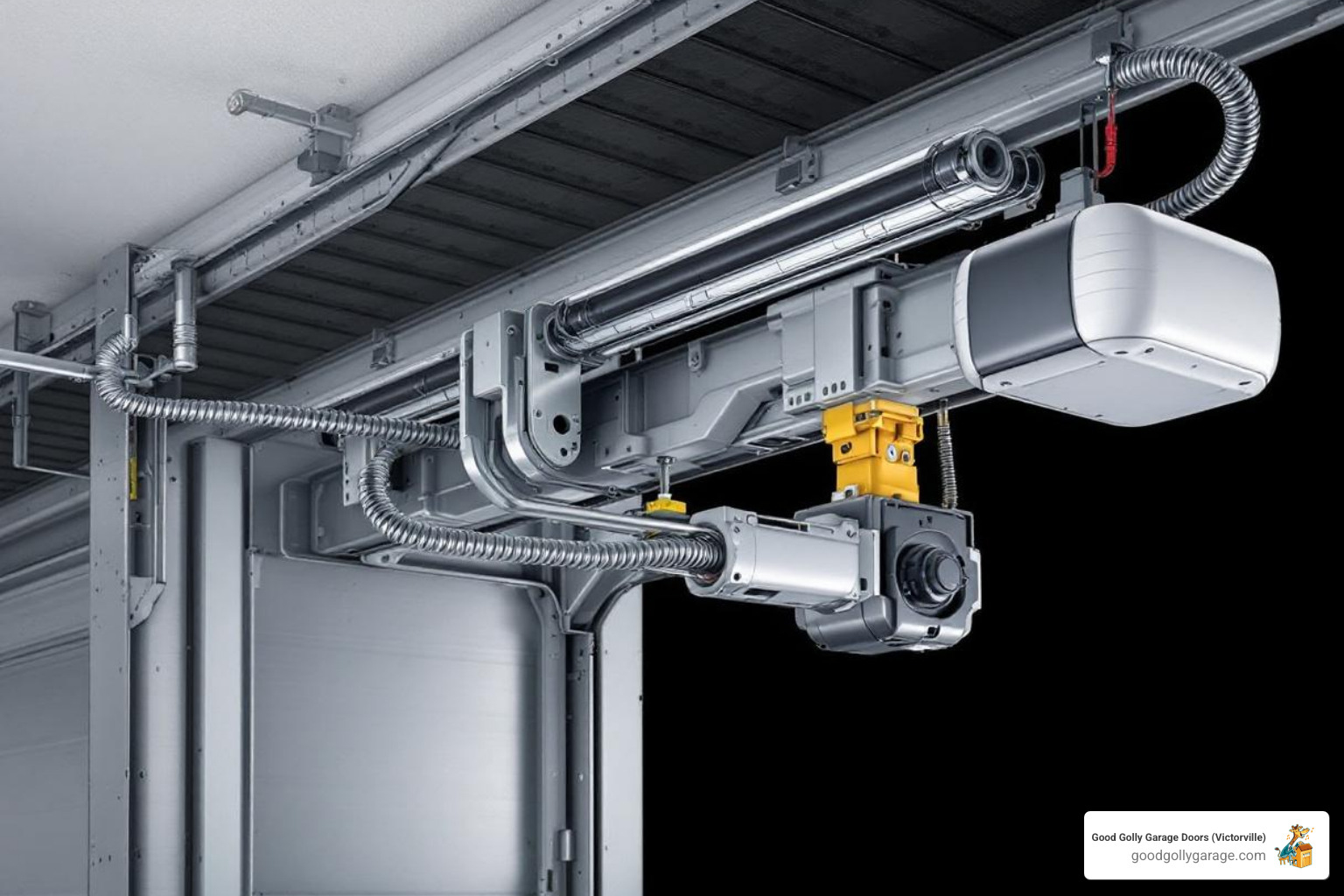
Decoding the Din: Common Causes of a Loud Garage Door
A noisy garage door is more than just an annoyance; it’s a symptom. Our experience tells us that these sounds are often clues pointing to underlying issues that, if left unaddressed, could lead to more significant and costly repairs down the line. Let’s dig into the most common culprits behind that racket.
Lack of Lubrication and Basic Maintenance
Imagine a symphony orchestra trying to play without any oil for their instruments – pure chaos, right? Your garage door, with its many moving metal parts, is no different. A lack of proper lubrication is perhaps the most frequent cause of squealing and grinding noises. When metal rubs against metal without a protective, friction-reducing layer, it creates a cacophony that can echo through your entire Oak Hills home.
Routine maintenance, or the lack thereof, plays a huge role here. Over time, the lubricant on your rollers, hinges, and springs can dry out, collect dust, or simply wear away. This leads to increased friction, which not only causes noise but also accelerates wear and tear on these vital components. A consistent maintenance schedule is key to keeping everything running smoothly and silently.
Worn-Out or Damaged Hardware
Your garage door is a complex system of many small parts working in harmony. When one of these parts becomes worn or damaged, the harmony quickly turns to discord.
One of the biggest offenders for noise is worn-out rollers. Many older garage doors come equipped with steel rollers, which, while durable, can be quite noisy. As they age, the bearings can wear out, or they can simply start grinding against the tracks. Upgrading to quieter nylon rollers is a common solution we recommend, as they operate much more smoothly and silently. Nylon rollers also tend to last longer and require less frequent lubrication on the roller itself.
Similarly, worn hinges can cause your door to bind or operate unevenly, leading to loud creaks and groans. Hinges, like rollers, are constantly under stress and can rust or become stiff. Fatigued or damaged springs, on the other hand, can create loud popping or banging sounds, especially when the door is opening or closing. These springs are under immense tension, and if they’re struggling, they’re not just noisy – they’re also a safety hazard.
Misaligned Tracks and Loose Parts
Have you ever heard a rattling sound as your garage door moves, or perhaps a scraping noise that makes you wince? These are often tell-tale signs of misaligned tracks or loose hardware.
The metal tracks that guide your garage door need to be perfectly aligned for smooth operation. If they get bent or knocked out of alignment – perhaps from an accidental bump or simply wear and tear – the rollers will scrape against them, creating an irritating noise and potentially damaging the rollers themselves. We’ve seen how often misaligned tracks can be the answer to Why Is My Loud Garage Door In Oak Hills CA! Beyond the tracks, loose nuts, bolts, and screws on the door panels, hinges, or track supports can vibrate during operation, leading to a persistent rattling sound. A quick tightening can often work wonders here.
For more in-depth information about dealing with garage door issues, you can refer to our guide to dealing with a broken garage door in Oak Hills.
The Heart of the Noise: Your Garage Door Opener
While often overlooked, your garage door opener itself can be a significant source of noise. The type of opener you have drastically affects the sound level it produces.
| Opener Type | Noise Level | Maintenance | Common Issues |
|---|---|---|---|
| Chain Drive | Very Noisy (60-80 dB) | Regular lubrication of chain | Vibrations, rattling, loud operation |
| Belt Drive | Quiet (as low as 33 dB) | Minimal; inspect belt for wear | Can slip in extreme temperatures (scraping) |
| Screw Drive | Quietest | Lubrication of screw mechanism | Can rattle if rust/tension issues |
| Jackshaft/Direct Drive | Near-Silent | Minimal | Higher initial cost |
Chain drive openers are the most common and often the most affordable, but they are also the loudest. The metal chain moving along a track can create a lot of vibration and noise, often described as a clanking or rattling sound. Belt drive openers, which use a rubber belt instead of a chain, are significantly quieter and a popular choice for homes where the garage is attached to living spaces. Screw drive openers, while less common, can also be quite quiet, using a threaded rod to move the door.
Beyond the drive type, a garage door opener can become noisy if it’s struggling to lift an unbalanced door. When the springs aren’t doing their job properly, the opener motor has to work much harder, leading to grinding, straining, or humming noises. This extra strain not only creates noise but also wears out your opener prematurely.
Your DIY Noise-Reduction Checklist
Before you throw your hands up in despair (or call us!), there are several simple maintenance tasks you can perform yourself to quiet down your noisy garage door. These DIY solutions can often resolve the problem and save you a service call. Always remember to prioritize safety when working around your garage door. We recommend disconnecting the opener from its power source before attempting any hands-on maintenance.
The Power of Proper Lubrication
Lubrication is your best friend when it comes to silencing a noisy garage door. It reduces friction, allowing parts to glide smoothly instead of grinding.
Here’s how to do it right:
- Choose the Right Lubricant: We recommend using a silicone-based spray or white lithium grease. Silicone sprays are excellent for most moving parts, especially nylon rollers, while white lithium grease is ideal for metal-on-metal contact points. Avoid using WD-40, as it’s a degreaser and can actually dry out components over time, making the problem worse!
- Lubricate Hinges: Spray the pivot points of each hinge. Work the door manually a few times to help the lubricant spread.
- Lubricate Rollers: If you have metal rollers, apply lubricant to the bearings and axles. If you have nylon rollers, avoid spraying the nylon itself, as some lubricants can degrade it. Instead, focus on the stem and bearings.
- Lubricate Springs: For torsion springs (the ones above the door), spray them lightly. This helps reduce friction as they coil and uncoil.
- Lubricate the Opener Chain/Screw: If you have a chain drive opener, apply a thin coat of white lithium grease to the chain. For screw drive openers, lubricate the threaded rod. Important: Never lubricate a belt drive opener; the belt is designed to run dry.
This simple step often makes a dramatic difference in reducing squealing and grinding noises.
Tighten Up: A Quick Hardware Inspection
Rattling noises are often the easiest to fix, and they’re usually caused by loose hardware. Over time, the constant vibration of the garage door can loosen nuts, bolts, and screws.
- Grab Your Tools: You’ll typically need a socket wrench set and a screwdriver.
- Inspect All Fasteners: Go along the entire garage door system, from the hinges on the door panels to the brackets holding the tracks to the ceiling and walls.
- Tighten Gently: Snug up any loose nuts and bolts you find. However, be careful not to over-tighten, as this can strip screw holes or damage components. Just a firm turn to ensure they’re secure is usually enough. This simple fix can eliminate a surprising amount of rattling noise.
Why Is My Loud Garage Door in Oak Hills CA and How Can I Clean the Tracks?
The High Desert climate in Oak Hills, with its dry air and occasional winds, means dust and sand can easily accumulate in your garage door tracks. This debris acts like sandpaper, causing friction and loud scraping noises as your rollers try to move.
- Visual Inspection: Look inside your tracks. Do you see dirt, dust, cobwebs, or even small pebbles?
- Wipe Them Clean: Use a damp cloth to wipe down the inside of both vertical and horizontal tracks. Remove any visible grit or grime.
- Check for Dents: While cleaning, run your hand along the inside of the tracks. Feel for any dents, bends, or obstructions that might be impeding the rollers’ smooth movement. Minor dents can sometimes be gently tapped out with a rubber mallet and a block of wood, but more significant damage usually requires professional attention. Clean tracks ensure your rollers can do their job without a fight, significantly reducing noise.
When to Call for Backup: Signs You Need Professional Repair in Oak Hills
While DIY solutions can handle many common noise issues, there are times when your garage door is telling you it needs more than just a little TLC. Ignoring these warning signs can lead to more severe damage, safety hazards, or even complete system failure.
Why Is My Loud Garage Door in Oak Hills CA a Sign of a Bigger Problem?
Some noises and operational issues are clear indicators that it’s time to call in the professionals. If you’re asking yourself Why Is My Loud Garage Door In Oak Hills CA and notice any of the following, it’s likely a sign of a bigger problem:
- Loud Popping or Banging Sounds: This is almost always a sign of a broken or severely fatigued spring. Garage door springs are under enormous tension and are crucial for balancing the door’s weight. A sudden loud pop means one has likely snapped, making the door incredibly heavy and dangerous to operate.
- A Door That Appears Crooked or Unbalanced: If your garage door looks lopsided, moves unevenly, or struggles to open or close, it’s a strong indicator of spring issues, damaged cables, or misaligned tracks that DIY fixes can’t address. An unbalanced door puts immense strain on your opener.
- Grinding from the Opener Motor: If your opener is making loud grinding or straining noises, especially if the door is moving slowly or struggling, it suggests the motor is overworked. This can happen if the door itself is unbalanced (due to spring issues) or if the opener motor itself is failing.
- A Door That Struggles to Open or Close: Beyond just noise, if the door hesitates, stops halfway, or requires manual assistance, there’s a significant mechanical problem that needs expert diagnosis.
For urgent issues that can’t wait, we offer emergency broken garage door services in Victorville CA and surrounding areas like Oak Hills.
The Dangers of DIY Spring and Cable Repair
We cannot stress this enough: Never attempt to repair or replace garage door springs or cables yourself. These components are under extreme tension and can cause severe injury or even death if mishandled. Springs hold up the entire weight of your garage door, which can be several hundred pounds. If a spring fails or is released incorrectly, it can fly off with tremendous force. Similarly, broken cables can cause the heavy door to fall suddenly and uncontrollably.
These types of repairs require specialized tools and expert knowledge to be performed safely and correctly. If you suspect an issue with your springs or cables, or if your door is visibly unbalanced, please call us immediately. Our technicians are trained and equipped to handle these dangerous components with the necessary safety precautions. For more information on dealing with garage door noise, even in nearby areas, you can refer to our insights on a noisy garage door in Wrightwood CA.
Considering an Upgrade for Quieter Operation
Sometimes, no matter how much lubrication or tightening you do, an older garage door system will remain noisy. This is often the case with older chain drive openers or metal rollers that have simply reached the end of their lifespan. If you’re seeking a long-term solution for a quieter home, considering an upgrade can be a wise investment.
- Insulated Garage Doors: Beyond their energy-saving benefits, insulated garage doors can significantly dampen noise. The insulation material helps absorb sound, reducing both the noise generated by the door itself and external sounds from the street. Designer fiberglass garage doors, for example, are known for their improved thermal efficiency and ability to block street noise.
- Upgrading Rollers: Switching from standard metal rollers to high-quality nylon rollers is one of the most effective and relatively inexpensive ways to reduce noise. Nylon rollers operate much more smoothly and quietly, eliminating the harsh metal-on-metal scraping sound.
- Investing in a Quieter Opener: If your chain drive opener is the primary culprit, upgrading to a belt drive or even a jackshaft or direct drive opener can make a world of difference. Belt drives are renowned for their quiet operation, while jackshaft and direct drive openers are practically silent, mounted on the side of the door rather than overhead.
Frequently Asked Questions About Noisy Garage Doors
We hear a lot of questions about noisy garage doors from homeowners in Oak Hills. Here are some of the most common ones we encounter:
How Often Should I Lubricate My Garage Door?
For most garage doors in temperate regions, we recommend lubricating the moving parts twice a year. However, given the dry, dusty climate of Oak Hills and the High Desert, we suggest checking and lubricating your garage door every four months. Dust can quickly dry out lubricants and accumulate in the mechanisms, so more frequent attention can help keep things running smoothly and quietly. Pay particular attention to the rollers, hinges, and springs.
Can Weather in Oak Hills Make My Garage Door Louder?
Absolutely! The unique weather conditions in Oak Hills can certainly contribute to garage door noise. Temperature fluctuations, common in our area, can cause metal components to expand and contract. This can lead to increased friction and noise. High heat can also affect the performance and lifespan of lubricants, causing them to dry out faster. Moreover, the dusty and windy conditions can deposit more debris into your tracks and mechanisms, exacerbating noise problems. Regular cleaning and lubrication, custom to our local climate, are therefore essential.
Are Nylon Rollers Really Quieter Than Metal Ones?
Yes, they really are! Upgrading from metal to nylon rollers is often the biggest single upgrade you can make for noise reduction. Nylon rollers provide a much smoother operation with significantly less vibration compared to their metal counterparts. They effectively eliminate the harsh metal-on-metal scraping sound that is so common with older, worn steel rollers. While metal rollers might be more durable in some heavy-duty applications, for residential use, nylon rollers are a highly effective and popular choice for a quieter garage door.
Conclusion: Restore Peace and Quiet to Your Oak Hills Home
A noisy garage door doesn’t have to be a permanent fixture in your Oak Hills home. As we’ve explored, understanding Why Is My Loud Garage Door In Oak Hills CA is the first step toward finding a solution, whether it’s a simple DIY fix like lubrication and tightening or a more significant repair or upgrade. From the common culprits of lack of lubrication and worn hardware to the nuances of opener types and environmental factors, each sound your garage door makes is a clue.
We encourage you to perform regular maintenance – lubricating components, tightening loose hardware, and cleaning tracks – to keep your garage door running smoothly and quietly. However, always remember the importance of safety. For complex issues like broken springs or cables, or if you’re unsure about the source of the problem, please don’t hesitate to call in the professionals. Your safety and the longevity of your garage door system are our top priorities.
Don’t let a noisy garage door disrupt the peace and quiet of your home any longer. We at Good Golly Garage Doors are your trusted local experts in the Victorville area, including Oak Hills, ready to help you diagnose and resolve any garage door issue with reliable, fast, and transparent service.
Explore more expert tips for your Victorville CA home and let us help you restore harmony to your garage.
 All Service Areas