

Is Your Henderson Garage Door Too Loud? Here’s Why and What to Do
Expert Garage Door Services Powered by Good Golly Garage Doors
Silencing Your Garage Door in Henderson
Why Is My Loud Garage Door Henderson NV making such a racket every time you open or close it? Here’s what’s usually going on:
- Lack of lubrication on rollers, hinges, or springs
- Worn-out rollers grinding against the tracks
- Loose hardware causing rattling and banging
- Broken or weakened springs straining the opener motor
- Misaligned tracks creating friction and rubbing
- Dry or stiff hinges squeaking with each movement
A noisy garage door is more than just an annoyance—it can wake up your family, disturb your neighbors, and signal underlying mechanical issues that could lead to bigger problems down the road. In Henderson’s desert climate, where dust, heat, and temperature swings are part of everyday life, garage door components can dry out, wear down, and lose their smooth operation faster than you might expect. The good news? Most loud garage door problems have straightforward fixes, and many of them you can handle yourself with just a little know-how and the right approach.
Whether you’re dealing with loud garage door repair issues in Henderson or you’re looking for expert garage door repair services or want to schedule a service visit in Henderson, understanding what’s causing the noise is the first step to restoring peace and quiet to your home.
I’m Jason Henderson, founder and CEO of Good Golly Garage Doors, and I’ve helped countless Henderson homeowners diagnose and solve Why Is My Loud Garage Door Henderson NV issues through proven maintenance and repair strategies. In this guide, I’ll walk you through the most common causes of garage door noise, how to identify what’s wrong, and what you can do to fix it—whether that’s a quick DIY solution or knowing when it’s time to call in a professional.
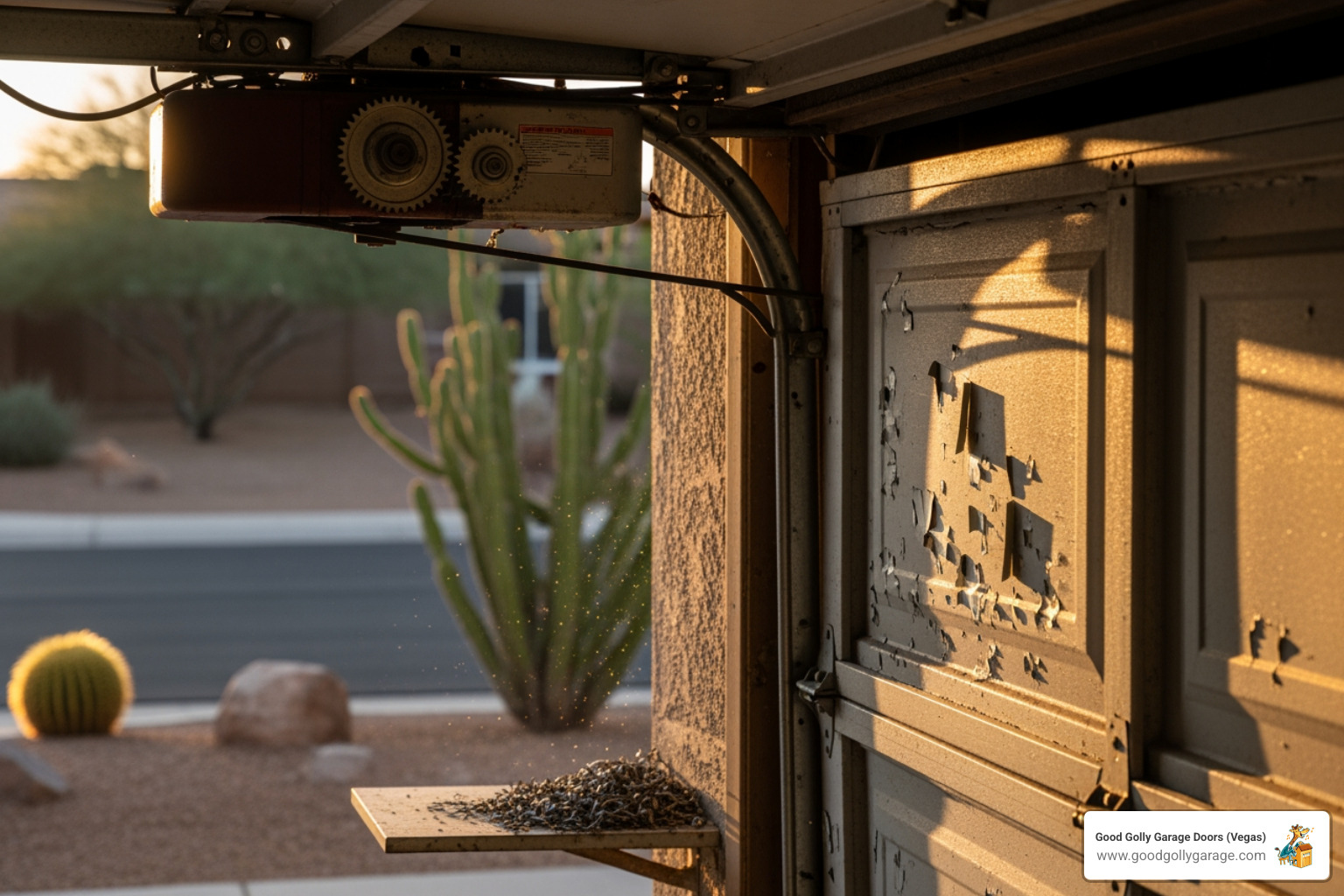
Why Is My Loud Garage Door Henderson NV? Common Causes Explained
When your garage door starts to sound like a freight train, it’s usually a sign that something isn’t quite right. The dry, dusty conditions and extreme temperatures we experience here in Henderson, NV, can accelerate wear and tear on your garage door’s many moving parts. Let’s break down the most common culprits behind a noisy garage door.
One of the primary reasons for a loud garage door is a simple lack of lubrication. Your garage door is a complex system of metal components—rollers, hinges, springs, bearings—all designed to move smoothly against each other. Without proper lubrication, friction increases, leading to squeaking, grinding, and overall louder operation.
Next up are worn-out parts. Over time, components like rollers can degrade. Older metal rollers might wear down or even seize, causing them to grind or clang against the tracks instead of rolling smoothly. Hinges can also become stiff, rusted, or bent, contributing to a symphony of unwanted sounds. The continuous use of your garage door means these parts are constantly under stress, and eventually, they’ll show signs of fatigue.
Loose hardware is another frequent offender. All those nuts, bolts, and screws that hold your garage door’s tracks, hinges, and opener mechanism in place can loosen over time due to constant vibration. When they’re not snug, they rattle and bang as the door moves, creating a disconcerting noise that often signals a need for a quick tightening.
Finally, an unbalanced door can put immense strain on your entire system, leading to excessive noise. A garage door is designed to be perfectly balanced, making it easy for the opener to lift and lower it. If the springs are weakened or broken, the door becomes heavy, forcing the opener to work harder and often producing loud, straining noises.
The Role of Springs and Openers in Garage Door Noise
The springs and opener are the workhorses of your garage door system, and their condition significantly impacts how quietly (or loudly) your door operates.
Torsion springs are typically mounted above the garage door, running parallel to the top of the door, while extension springs run along the horizontal tracks. Both types are under immense tension and are crucial for counterbalancing the door’s weight. If a spring breaks, or if they lose their tension, the door becomes incredibly heavy, causing the opener to strain and make loud noises. A loud thumping or clunking sound when the door operates often indicates a broken torsion spring. This is a serious issue that requires immediate professional attention, as garage doors are calibrated to a specific weight, and a broken spring can create a dangerous imbalance.
Your garage door opener itself can be a source of noise. If you have a chain-drive opener, a loose opener chain can slap against the rail, creating a rattling or grinding sound. This chain or belt needs to be properly tensioned to ensure smooth operation. A straining motor in the opener can also indicate a deeper problem, perhaps that the door is unbalanced or that the motor itself is failing. If your opener sounds like it’s working overtime, it’s worth investigating.
For more information on how these vital components work and how to keep them running smoothly, check out our insights on garage door openers.
Decoding the Noises: What Your Garage Door Is Telling You
Your garage door speaks a language of creaks, groans, and bangs. Learning to decode these sounds can help you pinpoint the problem and find the right solution. Here’s a breakdown of common noises and what they often mean for your Henderson garage door:
- Squeaking or Screeching: This is often the most common and easiest to fix. Prolonged squealing usually points to a lack of lubrication on moving metal parts like rollers, hinges, and springs. The dry, dusty Henderson environment can quickly dry out these components. It can also indicate worn-out rollers that are grinding instead of rolling smoothly.
- Grinding or Rubbing: A persistent grinding sound can signify several issues. It might be misaligned tracks where the rollers are scraping against the metal. It could also be frozen or damaged rollers that aren’t turning freely. In some cases, a grinding, metallic sound from the opener means the opener’s chain or belt is too loose and needs adjustment.
- Banging or Popping: A sudden, loud bang or pop is a serious warning sign. It very often indicates a broken spring, particularly a torsion spring. This can also cause a loud thumping or clunking sound. If you hear this, do not attempt to operate the door, as it can be extremely dangerous. Less dramatically, clinking or popping noises can come from rust buildup on springs (common in humid conditions, though less so in dry Henderson, but can still occur) or a defective roller.
- Rattling or Vibrating: If your garage door rattles and shakes as it moves, it’s frequently due to loose hardware. Bolts, nuts, and screws on the tracks, hinges, and opener mounting brackets can work themselves free over time. An opener that isn’t securely fastened to the ceiling can also vibrate excessively, amplifying noise. A loose chain or belt on the opener can also cause a rattling or slapping noise.
By paying close attention to the type of noise your garage door is making, you can often narrow down the potential causes and decide on the best course of action.
Simple DIY Maintenance for a Quieter Garage Door
Many common garage door noises can be resolved with a bit of routine maintenance that you can perform yourself. Think of it as giving your garage door a much-needed spa day!
The first step is often tightening nuts and bolts. With the door in the closed position and the opener unplugged for safety, visually inspect all hinges, roller brackets, and the mounting hardware for your opener. Use a wrench or socket set to gently tighten any loose fasteners. Be careful not to overtighten, as this can strip threads or warp components.
Next, conduct a thorough inspection of your hardware. Look for any bent hinges, cracked rollers, or obvious signs of wear. Pay attention to the tracks—ensure they are clean and free of debris like dust, dirt, or small pebbles that are common in our desert environment. A dirty track can cause rollers to grind and stick.
Cleaning tracks is straightforward. Use a damp cloth to wipe down the inside of the tracks, removing any accumulated grime. Avoid using lubricants on the tracks, especially if you have nylon rollers, as lubricant can attract more dirt and create a sticky mess. The goal is a clean, smooth surface for your rollers to glide on.
DIY Fixes for Why Is My Loud Garage Door Henderson NV
One of the most effective DIY fixes for a noisy garage door is proper lubrication. But not all lubricants are created equal, and knowing where to apply them is key.
For metal-on-metal parts, such as hinge pivot points and roller bearings (if your rollers have metal bearings), we recommend using a white lithium grease spray. This type of lubricant provides excellent, long-lasting protection against friction.
For metal-on-non-metal parts, like the stems of nylon rollers (but not the nylon wheel itself) or even your vinyl weatherstripping to keep it flexible, a silicone-based lubricant is your best bet. It creates a slick, non-sticky surface that repels dust, which is a huge plus in Henderson.
Where to apply lubricant:
- Rollers: Focus on the bearings and the stem where it connects to the hinge. If you have nylon rollers, only lubricate the metal stem, not the nylon wheel.
- Hinges: Spray the pivot points of all hinges.
- Springs: Lightly mist the coils of both torsion and extension springs. This helps prevent friction and reduces noise.
- Opener Rail: If you have a chain-drive opener, lubricate the chain itself. For belt-drive openers, check your owner’s manual; some belts do not require lubrication.
- Lock Mechanism: If your manual lock feels stiff, a little spray here can help.
Parts to avoid lubricating:
- Garage door tracks: As mentioned, lubricant on the tracks attracts dirt and can create more problems than it solves.
- Nylon roller wheels: Lubricating the nylon part can make it slippery and attract dust.
- Weatherstripping (unless specifically for flexibility): Generally, you want weatherstripping to provide a seal, not to be slick.
Penetrating oils and water displacers are not long-lasting lubricants and should not be used for garage door components, as they can attract dust and actually worsen noise over time.
Regular lubrication, ideally once or twice a year, can significantly reduce noise and extend the lifespan of your garage door components. If you live in a particularly dusty area or experience extreme temperature swings, you might consider lubricating seasonally (spring and fall).
To dive deeper into comprehensive garage door care, explore our guide on garage door maintenance.
Advanced Solutions and When to Call a Professional
While DIY maintenance can solve many noise issues, some problems require more advanced solutions or the expertise of a professional. Knowing when to call in the pros is crucial, not just for effective repair but also for your safety.
One common culprit for persistent noise, even after lubrication, is worn rollers. Older garage doors often come with metal rollers that, over time, can become stiff, rusty, or simply wear out, leading to grinding or squealing. An effective advanced solution is upgrading to nylon rollers. Nylon rollers, especially those with sealed ball bearings, offer significantly quieter and smoother operation. They are more durable and require less maintenance than their metal counterparts. This upgrade can make a dramatic difference in the overall noise level of your garage door.
Another advanced solution to consider is the benefits of insulation. A thin, uninsulated garage door can amplify vibrations and allow more sound to travel, both into and out of your home. Adding insulation panels to your existing garage door can help dampen these vibrations, making the door operate more quietly. Insulated doors also offer energy efficiency benefits, which is a welcome bonus in Henderson’s hot summers. If you’re looking to significantly reduce noise, especially if your garage is adjacent to living areas, insulation is a worthwhile investment. Insulating your garage door can increase its weight, which might require adjustments to your springs or opener.
Professional Help for Why Is My Loud Garage Door Henderson NV
While we encourage homeowners to tackle basic maintenance, certain garage door issues are best left to the experts due to safety concerns and the specialized tools and knowledge required.
- Broken springs: This is perhaps the most critical issue that demands professional attention. Garage door springs are under extreme tension and can cause severe injury if mishandled. If you hear a loud bang or find a snapped spring, do not attempt to open or close the door, and call a professional immediately.
- Snapped cables: Like springs, cables are high-tension components essential for the door’s balance and operation. Frayed or snapped cables can cause the door to fall unexpectedly.
- Misaligned tracks: If your tracks are bent, dented, or significantly out of alignment, the door can bind, jerk, or even come off its tracks. While minor adjustments can sometimes be DIY, major realignments require precision and expertise to ensure the door operates safely and smoothly.
- Opener motor failure: If your opener motor is grinding, straining, or failing to lift the door even after you’ve checked the chain/belt and door balance, it might be a sign of internal motor issues. These are complex components that usually require a professional for diagnosis and repair or replacement.
- Safety concerns: Any time you feel uncomfortable or unsure about a repair, or if the issue involves high-tension parts, it’s always safer to call a professional. Garage doors are heavy, and malfunctioning components can lead to serious accidents.
Our team at Good Golly Garage Doors is equipped to handle all these complex issues, ensuring your garage door is repaired safely and effectively. For comprehensive solutions, explore our garage door repair services.
Frequently Asked Questions About Loud Garage Doors
We often hear similar questions from homeowners in Henderson dealing with noisy garage doors. Here are some of the most common ones, answered to help you better understand your garage door’s needs.
Can Insulation Really Make My Garage Door Quieter?
Yes, absolutely! Insulation can make a significant difference in quieting a noisy garage door. Thin, uninsulated garage door panels can act like a drum, amplifying vibrations and allowing sound to easily pass through. Adding insulation, whether it’s an insulation kit for an existing door or upgrading to a new insulated door, helps dampen these vibrations. The denser material absorbs sound waves, reducing the overall noise level both inside and outside your garage. Beyond noise reduction, insulation also provides better temperature control, keeping your garage cooler in Henderson’s scorching summers and warmer during colder periods. Just remember that adding insulation increases the door’s weight, which may necessitate spring or opener adjustments by a professional to maintain proper balance.
How Often Should I Lubricate My Garage Door Parts?
A good rule of thumb is to lubricate all moving parts of your garage door system once or twice a year. However, given Henderson’s dry and often dusty climate, we recommend performing this maintenance more frequently, perhaps seasonally (every three to four months). Dust and dirt can quickly cause lubricants to dry out or become gritty, reducing their effectiveness. Regular lubrication helps reduce friction, prevents premature wear, and keeps those annoying squeaks and grinding noises at bay. Always use the appropriate lubricants—white lithium grease for metal-on-metal components and silicone-based spray for metal-on-non-metal parts like roller stems or weatherstripping. Avoid using WD-40 or lubricating the tracks themselves.
Is a Loud Bang From My Garage Door a Serious Problem?
Yes, a loud bang from your garage door is almost always a serious problem that requires immediate attention. This sound most commonly indicates a broken spring—either a torsion spring located above the door or an extension spring running along the tracks. Garage door springs are under tremendous tension and are critical for counterbalancing the door’s weight. When one breaks, the door can become incredibly heavy and unbalanced, making it dangerous to operate. Continuing to use a door with a broken spring can further damage your opener, cables, and other components, and more importantly, it poses a significant safety risk. If you hear a loud bang, stop operating the door, unplug your opener, and call a professional garage door technician right away. Do not attempt to fix or replace springs yourself due to the high risk of severe injury.
Restore Peace and Quiet to Your Henderson Home
A noisy garage door in Henderson doesn’t have to be a constant source of frustration. By understanding the common causes, learning to identify the specific sounds your door is making, and performing regular maintenance, you can significantly improve its operation and quiet its rumble. From simple lubrication and tightening loose hardware to considering upgrades like nylon rollers or insulation, many solutions are within reach.
However, we always emphasize safety first. For complex issues like broken springs, snapped cables, or major track misalignments, it’s crucial to enlist the help of professionals. These components are under high tension and can be dangerous to handle without the proper training and tools.
At Good Golly Garage Doors, we’re dedicated to helping homeowners in Henderson, Las Vegas, Anthem, Green Valley, North Las Vegas, Paradise, Summerlin, and Sun City keep their garage doors running smoothly and quietly. Our team is ready to diagnose any issue, perform expert repairs, and ensure your garage door operates safely and efficiently.
Don’t let a loud garage door disrupt your home any longer. Schedule service in Henderson with us today and restore the peace and tranquility you deserve!
 All Service Areas